A Guide to Registering a Solar Factory in Lesotho
Many entrepreneurs exploring new manufacturing ventures are drawn to markets with clear growth potential, only to be deterred by the perceived complexity of local regulations. For those considering solar panel production in Southern Africa, Lesotho presents a compelling case.
Its government has actively worked to streamline the entry process for foreign investors—a commitment not widely known outside the region. At the heart of this initiative is the One-Stop Business Facilitation Centre (OBFC), an institution that condenses a potentially months-long bureaucratic process into a single, manageable procedure.
This guide provides a practical overview of navigating the OBFC to establish a solar module manufacturing operation in Lesotho, covering the key steps, regulatory considerations, and strategic advantages of operating within this developing renewable energy hub.
Why Lesotho? The Strategic Advantage for Solar Manufacturing
Before delving into the registration process, it’s worth understanding the business case for choosing Lesotho. The country offers more than just a streamlined setup; it provides a strategic gateway to regional markets.
The Role of the LNDC and SACU
The Lesotho National Development Corporation (LNDC) is the primary agency for promoting investment. It works alongside investors to facilitate projects, often providing support with site selection and navigating incentive programs. According to LNDC reports, the government is particularly focused on attracting investment in manufacturing and renewable energy, a priority that aligns perfectly with the goals of a solar factory.
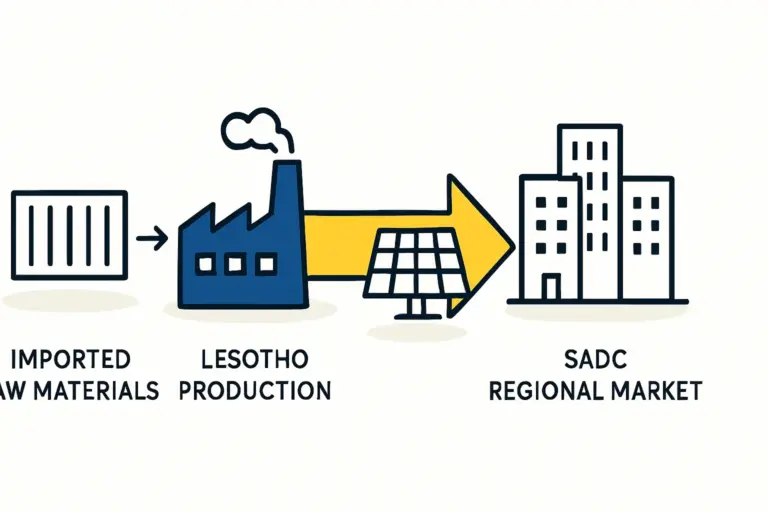
A key benefit is Lesotho’s membership in the Southern African Customs Union (SACU), which includes South Africa, Botswana, Namibia, and Eswatini. This membership allows for tariff-free trade within the bloc, granting a Lesotho-based factory preferential access to a significant regional market. For any business planning to serve Southern Africa, this is a considerable logistical and financial advantage.
Government Commitment to Renewables
Lesotho’s National Strategic Development Plan (NSDP II) explicitly identifies the development of renewable energy sources as a national priority. This top-level commitment fosters a more supportive regulatory environment for solar projects compared to countries where renewables are an afterthought. This policy alignment also signals long-term stability for investors in the sector.
Understanding the One-Stop Business Facilitation Centre (OBFC)
The OBFC was established to eliminate the need for investors to visit multiple ministries and agencies scattered across the capital, Maseru. It brings together representatives from all essential government bodies under one roof, creating a single, efficient interface for business registration and licensing.
Key agencies present at the OBFC include:
- Registrar of Companies: For business name reservation and incorporation.
- Lesotho Revenue Authority (LRA): For tax registration and clearance.
- Ministry of Trade and Industry: For obtaining a manufacturing license.
- Ministry of Home Affairs: For processing work and residence permits for expatriate staff.
- Maseru City Council: For matters related to land and building permits.
The OBFC aims to reduce the complete company registration timeline to approximately 10 working days, though complex manufacturing setups may require additional time for specialized permits. This centralized model significantly reduces administrative friction for foreign investors.
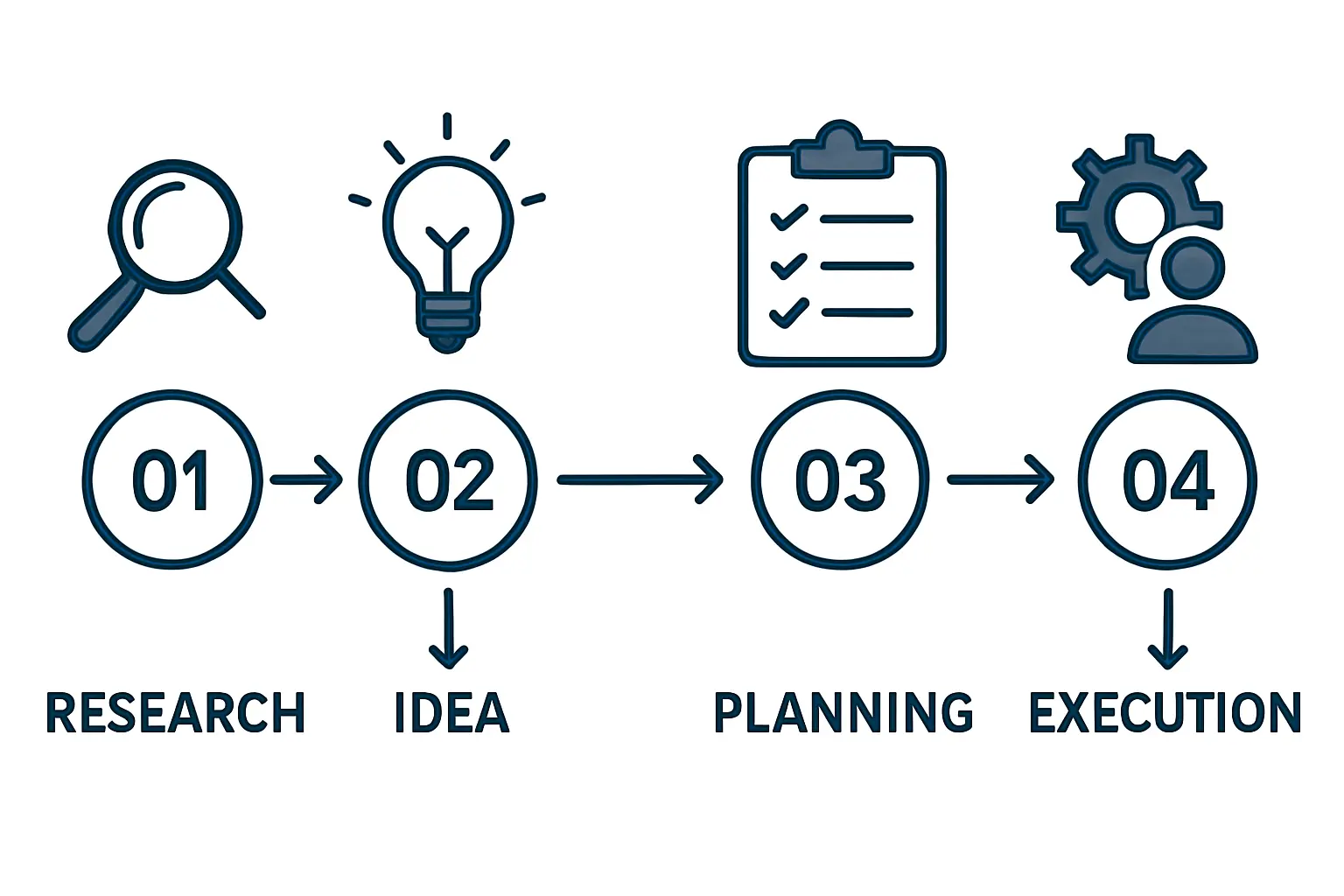
A Step-by-Step Guide to the Registration Process
While professional legal counsel is always advisable, understanding the OBFC’s logical sequence of steps provides a clear roadmap for planning.
Step 1: Company Name Reservation and Incorporation
The first formal step is to reserve a unique name for the new company. This is done at the Registrar of Companies desk within the OBFC. Once the name is approved, the investor submits the articles of incorporation, which outline details of the company directors, shareholders, and the registered office address in Lesotho.
Step 2: Tax Registration with the Lesotho Revenue Authority (LRA)
Upon receiving the certificate of incorporation, the next step is to register the company with the LRA. This is a mandatory requirement for all legal entities and is also handled within the OBFC. The company will be issued a Taxpayer Identification Number (TIN), an essential number for all subsequent financial and regulatory activities, including opening a corporate bank account and importing equipment.
Step 3: Securing a Manufacturer’s License
For a solar factory, a specific manufacturer’s license is required from the Ministry of Trade and Industry. The application requires a detailed business plan, proof of funding, and information about the proposed factory premises. The thoroughness of this documentation is critical. Clearly defining the project scope, from the initial investment for a solar module factory to the planned production output, will facilitate a smoother approval process.
Step 4: Obtaining Permits for Premises and Operations
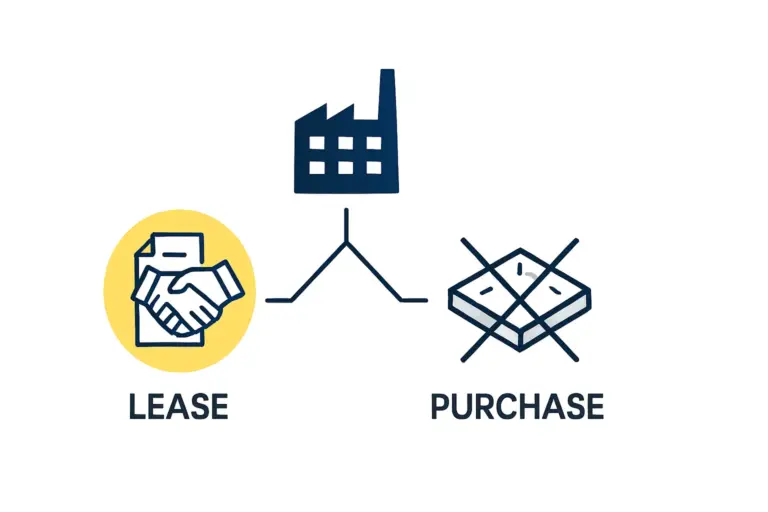
Before production can begin, the factory premises must be approved. This involves securing land (either through lease or acquisition, often with LNDC assistance) and obtaining any necessary building permits from the local municipal council. For a manufacturing facility, an Environmental Impact Assessment (EIA) is almost always required. An accredited local consultant must conduct this assessment, which is then submitted to the National Environment Secretariat for approval.
Step 5: Work and Residence Permits for Expatriate Staff
The final step for foreign-led projects is securing work and residence permits for key technical and managerial staff. The Ministry of Home Affairs desk at the OBFC processes these applications. Applicants must demonstrate that the roles require specialized skills not readily available in the local labor market, a common scenario when selecting the right manufacturing equipment and commissioning a new production line.
Key Considerations for Solar Factory Registration
While the OBFC streamlines the general process, setting up a solar module factory involves industry-specific challenges that require careful planning.
-
Environmental Compliance: The EIA is a non-negotiable step. It assesses potential impacts related to waste disposal (e.g., EVA, backsheet trimmings), water usage, and chemical handling. Proactive planning for waste management is essential.
-
Importation of Machinery: Capital equipment for the production line will need to be imported. Having the correct customs documentation, facilitated by LRA registration, is vital to avoid costly delays at the border.
-
Product Certification: While not a registration requirement, planning for securing the necessary certifications for your solar modules (such as IEC standards) should begin early. A factory’s layout and quality control processes, established during setup, directly affect the ability to achieve certification later. For investors new to the technical aspects of manufacturing, a turnkey solar factory solution can ensure these considerations are integrated from the project’s inception.
Frequently Asked Questions (FAQ)
-
Is a local partner required to register a company in Lesotho?
No, foreign investors can own 100% of a manufacturing company in Lesotho. However, partnering with a local entity can sometimes be advantageous for navigating land acquisition and building local relationships. -
What are the main corporate taxes in Lesotho?
The standard corporate income tax rate for manufacturing companies is 10%. A Value Added Tax (VAT) of 15% is also applicable on most goods and services. The LRA provides detailed guidance upon registration. -
How long does the entire setup process take, from registration to operation?
While the OBFC can complete company registration in under two weeks, the full timeline to establish an operational factory is much longer. Factoring in site acquisition, construction or retrofitting, equipment shipping and installation, and staff training, a realistic timeline is typically 9 to 15 months. -
What support does the LNDC offer beyond initial guidance?
The LNDC can assist with identifying suitable industrial sites, facilitating access to utilities (power and water), and providing information on available fiscal incentives, which may include training grants or tax allowances for specific investments.
Conclusion
Registering and establishing a solar module factory in Lesotho is a structured process, made significantly more accessible by the One-Stop Business Facilitation Centre. By centralizing key government services, the OBFC reduces bureaucratic hurdles and provides a clear, sequential path for investors.
The combination of a streamlined administrative framework, strategic access to the SACU market, and strong government support for renewable energy makes Lesotho a noteworthy destination for entrepreneurs looking to enter the solar manufacturing sector in Southern Africa. The key to a successful venture lies in diligent preparation—understanding not just the registration steps, but also the technical, financial, and operational requirements specific to producing high-quality solar modules.