The Republic of Maldives offers a unique setting for solar module manufacturing. With abundant sunshine and a government keen on renewable energy, market conditions are favorable. For an entrepreneur accustomed to industrial economies, however, the most critical question is not about technology but about people: how does one build a competent technical workforce in a nation whose economy is built on tourism?
This isn’t a barrier, but a strategic challenge. Success hinges on a clear understanding of the local labor market, a well-designed talent development strategy, and careful navigation of national employment regulations. This guide provides a foundational analysis for investors exploring this promising venture.
The Maldivian Labor Market: A Realistic Assessment
Any recruitment plan must begin with an understanding of the existing human capital landscape. The Maldivian workforce brings a unique set of strengths and challenges to a high-tech manufacturing operation.
Based on national economic data, approximately 70% of the local workforce is engaged in the services sector, with tourism and hospitality as the dominant employers. This has several implications for a solar enterprise:
-
Limited Industrial Precedent: There is no deep-rooted culture of industrial manufacturing. Concepts like Six Sigma quality control, cleanroom protocols, and preventive maintenance for industrial machinery are not widespread.
-
A Trainable, Youthful Population: The Maldives’ young demographic presents an opportunity to train a workforce from the ground up, instilling the precise habits and skills required for the solar module manufacturing process without having to unlearn conflicting industrial practices.
-
Government Support for Diversification: Recognizing its economic dependency, the Maldivian government actively supports initiatives that diversify the economy. Ventures in renewable energy manufacturing align with national strategic goals, potentially opening avenues for collaboration with public vocational institutions.
The primary challenge isn’t a labor shortage, but a shortage of specific experience. The strategic response is to view the workforce as a clean slate, ready to be developed through a targeted and structured program.

Developing a Competent Team: Training vs. Sourcing
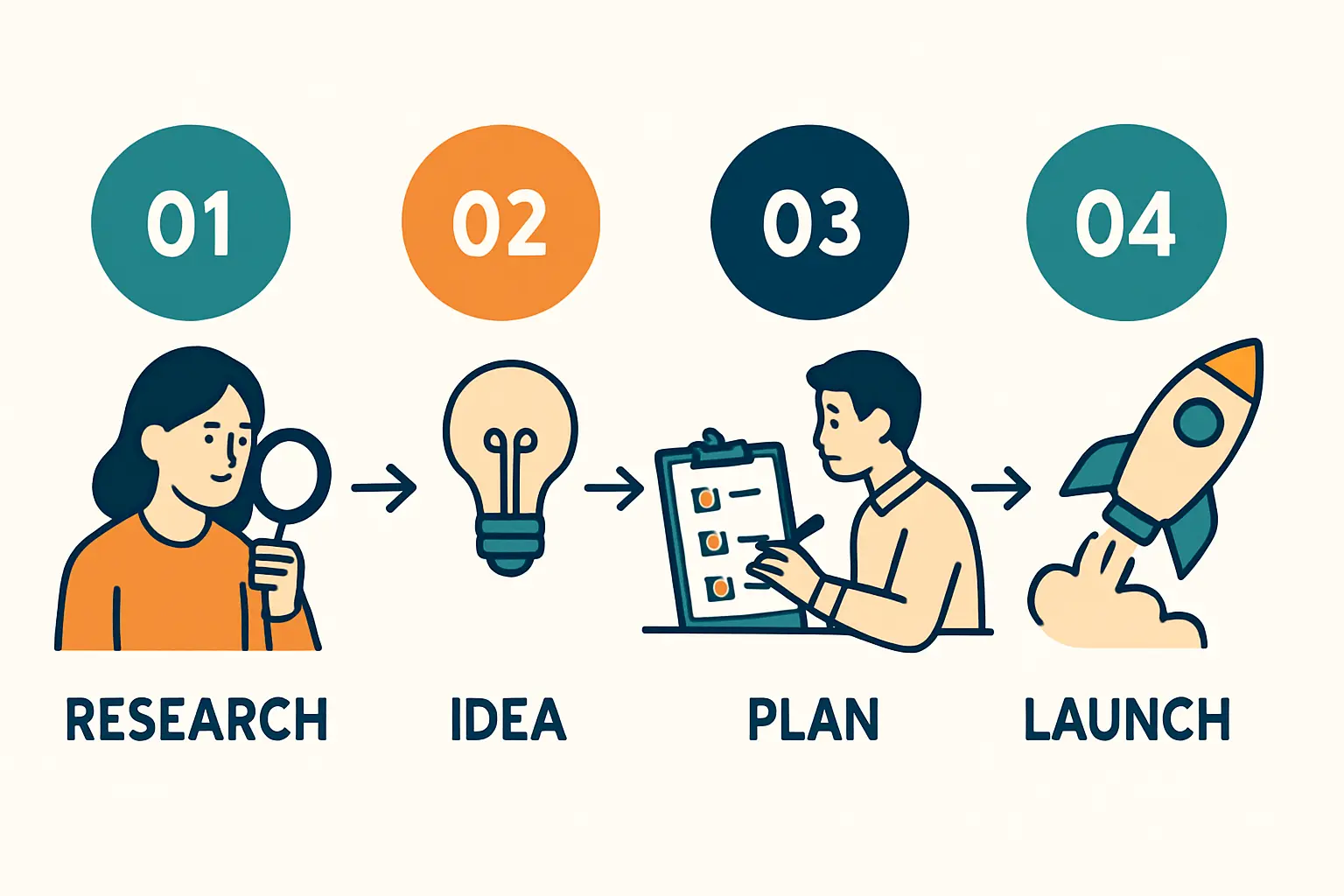
An investor has two primary pathways to building a factory team: cultivating local talent or importing expatriate experts. The most effective strategy is nearly always a hybrid model that leverages the strengths of both.
Option 1: Cultivating Local Talent Through Structured Training
Developing a local workforce is the cornerstone of a sustainable and cost-effective long-term operation. It fosters community integration and demonstrates a commitment to the national economy.
A successful training program requires a significant initial investment but yields substantial returns. The process involves:
-
Collaboration with Local Institutions: Partnering with institutions like the Maldives National University or local Technical and Vocational Education and Training (TVET) centers can help identify promising candidates.
-
A Phased Curriculum: Training must be a continuous process, not a one-time event. It should start with foundational principles of industrial safety and quality, followed by machine-specific operational training. For example, operators for a stringer machine require different skills than those handling the lamination process.
-
On-the-Job Mentorship: The most critical phase is hands-on training on the actual production floor, ideally supervised by an experienced technician. This is where theoretical knowledge translates into practical competence. Based on experience from J.v.G. turnkey projects, a dedicated operator can achieve proficiency on a single machine within three to six months of supervised practice.
Option 2: Engaging Expatriate Experts for Key Roles
While local talent forms the backbone of the operation, certain roles demand deep, pre-existing experience that cannot be developed in a short timeframe. Sourcing expatriates is essential for critical positions such as:
-
Plant Manager: To oversee the entire operation, from supply chain to final product quality.
-
Lead Process Engineer: To calibrate machinery, optimize production flow, and troubleshoot technical issues.
-
Quality Control Supervisor: To implement and enforce international quality standards like those required for IEC certification.
These experts play a dual role: ensuring the factory is commissioned correctly and operates efficiently, while also acting as mentors and trainers for their future local successors. This knowledge transfer is a vital part of a turnkey solar production line setup.
Navigating Maldivian Employment Law and Regulations
Any foreign-invested enterprise must operate in strict compliance with Maldivian law. The legal framework is relatively straightforward but contains specific provisions regarding foreign workers.
-
The Employment Act (Law No. 2/2008): This is the primary legislation governing employment in the Maldives. It outlines requirements for employment contracts, defines maximum working hours (typically 48 hours over a six-day week), and mandates leave entitlements and termination procedures. All employment agreements, for both local and expatriate staff, must adhere to this act.
-
Expatriate Quotas and Work Permits: The government maintains a policy to promote local employment. As a result, there are quotas on the number of foreign workers a company can hire. The specific ratio of local to foreign employees can vary by sector. An investor must apply for work permits for each expatriate employee through the designated government portal, a process that requires demonstrating that the needed skills are not available locally.
-
Special Economic Zones (SEZs): Investors should investigate whether their project qualifies for establishment within an SEZ. These zones sometimes offer more flexible regulations regarding labor and foreign investment as part of a package of incentives. Proper factory layout and planning should account for the logistical and regulatory environment of a chosen site.
Engaging local legal counsel early in the planning process is critical to ensuring full compliance and avoiding operational delays.
Frequently Asked Questions (FAQ)
What are the typical staff requirements for a 20–50 MW solar factory?
A semi-automated line of this capacity typically requires 25 to 40 employees per shift. This includes line operators, quality inspectors, maintenance technicians, logistics staff, and administrative personnel.
How long does it take to train a local production line operator from scratch?
With a structured program combining classroom theory and on-the-job mentorship, a motivated individual can become a proficient operator for a specific machine (e.g., stringer, laminator) within three to six months.
Are English language skills common in the Maldivian workforce?
Yes, English is widely spoken, especially among the younger population and those with experience in the tourism sector. It is an official language and the medium of instruction in most higher education, which simplifies training and communication with expatriate managers.
Is it necessary to provide accommodation for employees?
Given the geography of the Maldives, where workers may commute from different islands, providing accommodation can be a significant competitive advantage in attracting and retaining talent, particularly for factories located outside the Malé capital region. This cost must be factored into the initial financial modeling for a solar factory.
Conclusion: A Feasible Venture with a Strategic Approach
Building a skilled workforce for a solar factory in the Maldives is entirely feasible. It requires moving beyond simple recruitment to a mindset of strategic workforce development. The optimal path involves a symbiotic relationship between imported expertise and local potential.
By investing in a robust local training program guided by experienced expatriate leaders, an entrepreneur can build a competent, loyal, and cost-effective team. This approach not only ensures the factory’s operational success but also contributes meaningfully to the economic diversification of the Maldives, creating a truly sustainable enterprise.