For an entrepreneur considering solar module manufacturing, the Maldives presents a compelling paradox. Its abundant sunshine, averaging 5-6 kWh/m² per day, and heavy reliance on expensive, imported diesel create a clear market need. This opportunity is underscored by the government’s ambitious goal of achieving 70% renewable energy by 2030.
Yet, its unique geography—a nation of 1,192 islands dispersed across 90,000 square kilometers of ocean—poses logistical challenges daunting to even seasoned business professionals.
This piece examines the supply chain complexities of establishing a solar manufacturing operation in an archipelago nation, using the Maldives as a case study. Understanding these hurdles is the first step toward developing a resilient and profitable business model.
The dispersed geography of the Maldives presents unique logistical puzzles for any manufacturing venture.
The Geographical Puzzle: Manufacturing in a Dispersed Nation
The fundamental challenge is rooted in the nation’s structure. With only 187 of its islands inhabited, infrastructure is naturally concentrated in a few key areas, primarily the capital, Malé.
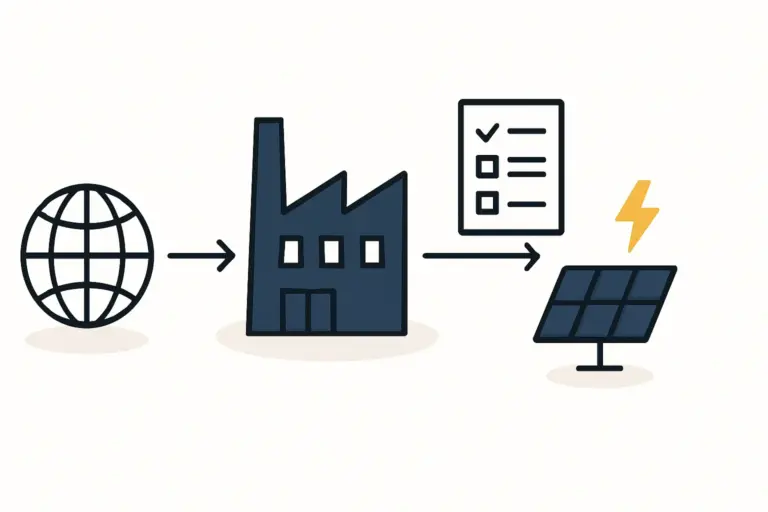
For a manufacturing business, this means the entire supply chain, from importing raw materials to distributing finished solar panels, is stretched across significant distances of open water.
Unlike a factory in a continental location with access to road and rail networks, a Maldivian operation must rely exclusively on sea and air transport. This has profound implications for inventory management, production scheduling, and overall operational costs—all of which directly influence the required initial investment for a solar module factory.
The Gateway Challenge: Importing Raw Materials
Virtually every component needed for solar module assembly must be imported. This places immense pressure on the country’s primary logistical gateway: the Malé Commercial Harbour (MCH).
According to official data, MCH handles over 90% of all goods imported into the Maldives. This concentration leads to persistent issues that any prospective manufacturer must anticipate:
- Port Congestion: Limited yard space and high traffic frequently cause delays in unloading and clearing cargo. These delays can result in significant demurrage charges and disrupt production timelines.
- Draft Limitations: The harbour’s relatively shallow 10-meter draft restricts the size of vessels that can call directly, sometimes necessitating the use of smaller, less efficient feeder vessels.
- Customs and Clearance: While the government is implementing a National Single Window (NSW) system to streamline trade, navigating the process can still be complex. The World Bank’s 2020 ‘Ease of Doing Business’ report ranked the Maldives 147th out of 190 economies, with ‘Trading Across Borders’ being a particularly challenging indicator.
Entrepreneurs must factor these potential bottlenecks into their sourcing plans for essential raw materials for solar panels, from solar glass and EVA film to junction boxes and aluminum frames. The planned relocation of the main port to the nearby island of Thilafushi aims to alleviate these issues, but this is a long-term project.

The Final Mile: Inter-Atoll Distribution
Once raw materials clear customs in Malé, they must be transported to the factory, which may be on another atoll. From there, finished modules are distributed to customers across the archipelago. This ‘final mile’ is an exclusively maritime operation.
Transportation relies on a fleet of traditional wooden boats (dhonis) and modern landing craft. While integral to the Maldivian economy, this mode of transport introduces variables that demand careful management:
- Weather Dependency: The monsoon seasons can significantly disrupt shipping schedules, making just-in-time inventory models impractical.
- Cost Fluctuation: Fuel prices and vessel availability can cause transport costs to vary, complicating financial forecasting.
- Handling and Damage: Transporting sensitive materials like large panes of solar glass or finished modules on smaller vessels increases the risk of damage, requiring robust packaging and insurance.
Strategic Approaches for Supply Chain Resilience
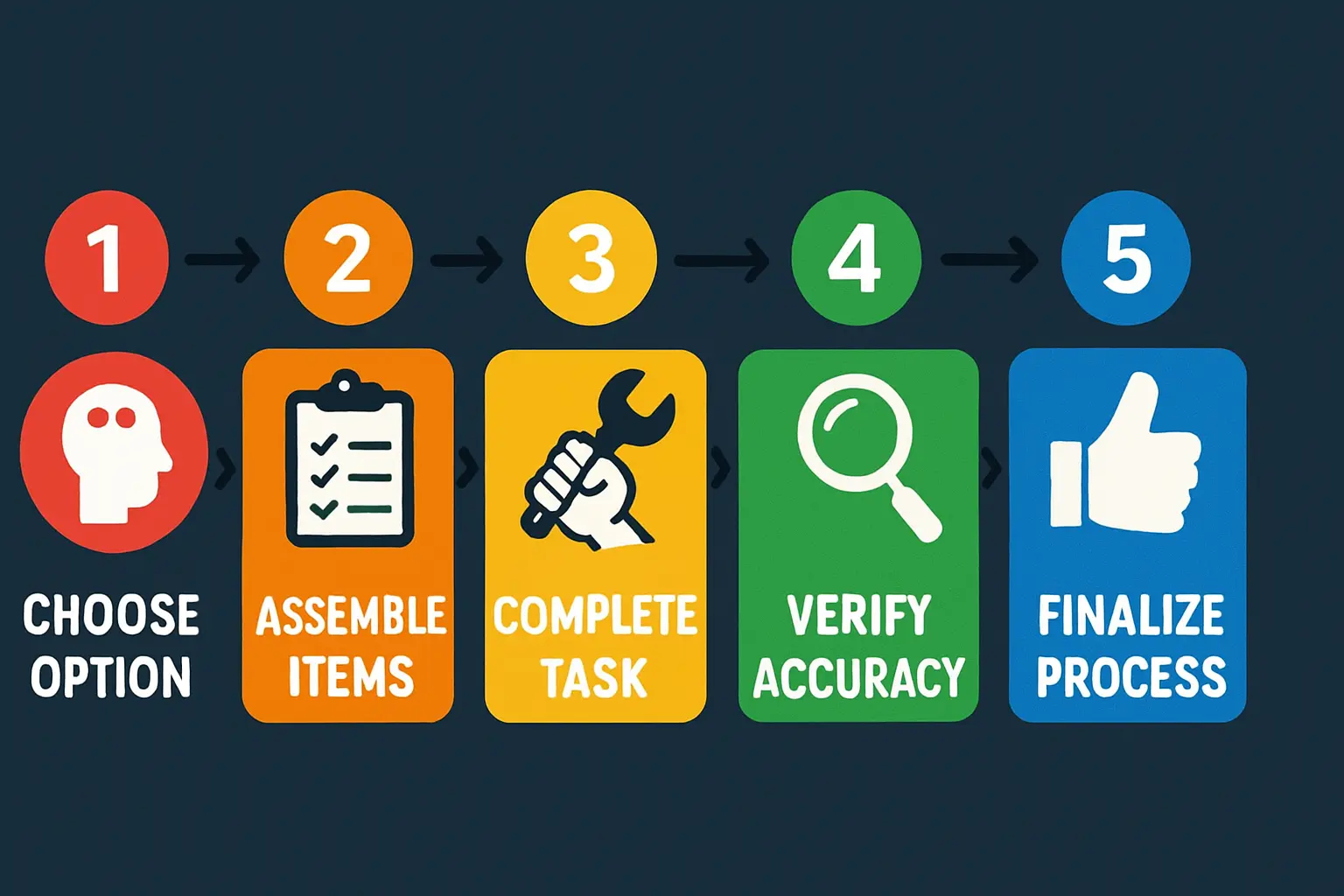
While the challenges are significant, they are manageable with careful planning and a localized strategy. Experience from J.v.G. turnkey projects in logistically complex regions suggests several approaches to building resilience.
Balancing Inventory
A pure ‘lean’ or ‘just-in-time’ inventory strategy is ill-suited for this environment. A more prudent approach is to maintain a larger buffer stock of critical, non-perishable raw materials on-site. While this ties up capital, it provides a crucial safeguard against shipping delays and ensures production continuity.
Centralized Warehousing
Establishing a primary warehouse near the main port (Malé or the future Thilafushi port) can streamline the import process. From this central hub, materials can be dispatched to the factory in consolidated, planned shipments to optimize inter-atoll transport costs.
Partner Selection
Engaging with local logistics partners who have deep experience navigating the inter-atoll shipping network is critical. Their knowledge of local routes, customs procedures, and weather patterns is invaluable. When setting up a turnkey solar manufacturing line, vetting and selecting these local partners is a key project milestone.

Frequently Asked Questions (FAQ)
How much do logistics add to the cost of raw materials in the Maldives?
This varies greatly depending on the factory’s final location. For islands in distant atolls, inter-atoll shipping can add 20–40% or more to the landed cost of materials compared to their price upon arrival in Malé.
Are there viable alternative ports to Malé for international cargo?
For large-scale containerized freight, Malé remains the primary and often only option. Some regional ports, like the one in Addu Atoll, can handle smaller international vessels, but their infrastructure is less developed for heavy industrial imports.
How does the monsoon season impact planning?
The Southwest Monsoon (May to November) typically brings stronger winds and rougher seas, which can halt inter-atoll transport for days at a time. A robust production schedule must build in several weeks of buffer time during this period.
What is the most critical material to manage in this supply chain?
Solar glass is often the most challenging component. It is bulky, fragile, and essential for production. A shortage of glass will halt the entire production line, making a consistent supply a top priority.
The logistical landscape of the Maldives is a case study in the challenges facing many island and archipelago nations. These hurdles, however, are not insurmountable. For a well-prepared entrepreneur, they represent a barrier to entry that, once overcome, can lead to a strong market position. A successful solar manufacturing venture here depends less on the technology alone and more on mastering the intricate dance of supply and distribution across the water.