Disclaimer: This case study represents a composite example derived from real-world
consulting work by J.v.G. Technology GmbH in solar module production and factory optimization. All data points are realistic but simplified for clarity and educational purposes.
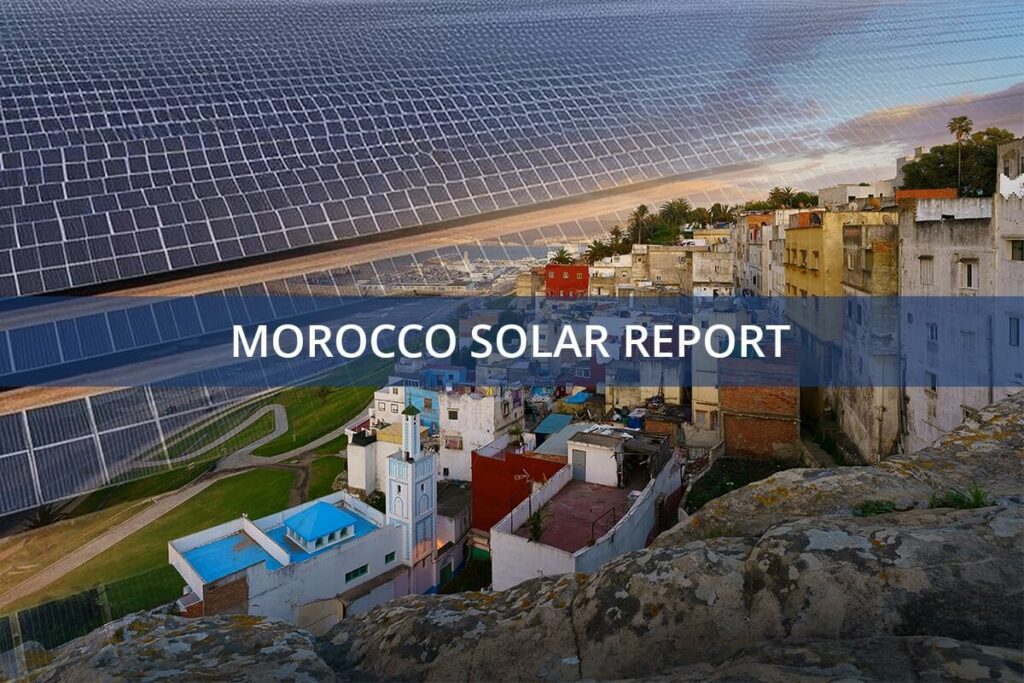
Morocco’s Souss-Massa region is an agricultural powerhouse vital to the nation’s food supply. It is also blessed with some of the highest solar irradiation levels in the world.
This unique combination creates both a significant opportunity and a complex challenge: how to advance the country’s ambitious renewable energy goals without compromising precious agricultural land.
This case study explores a strategic solution: establishing a specialized 50 MW solar module production line through a Moroccan-German joint venture. Guided by the engineering expertise of a European PV manufacturer, the facility will manufacture highly specialized agrivoltaic modules designed to support both energy and food security.

The Strategic Imperative: Balancing Energy, Food, and Land
Morocco has set a target of generating over 52% of its electricity from renewable sources by 2030, which includes developing approximately 7.3 GW of solar capacity. However, large-scale ground-mounted solar farms can compete with agriculture for land—a sector critical to the national economy and self-sufficiency.
Agrivoltaics offers a powerful way to resolve this tension. By co-locating solar energy generation and crop cultivation on the same land, this dual-use approach addresses the food-energy nexus directly.
This project was conceived to meet that specific need. It is not a standard solar factory, but a purpose-built facility designed to supply a nascent and crucial domestic market for agrivoltaics, exploring the synergy of solar and agriculture.
Project at a Glance
- Location: Souss-Massa Region, Morocco
- Capacity: 50 MW per year
- Product Focus: Bifacial DESERT+ modules for agrivoltaic applications
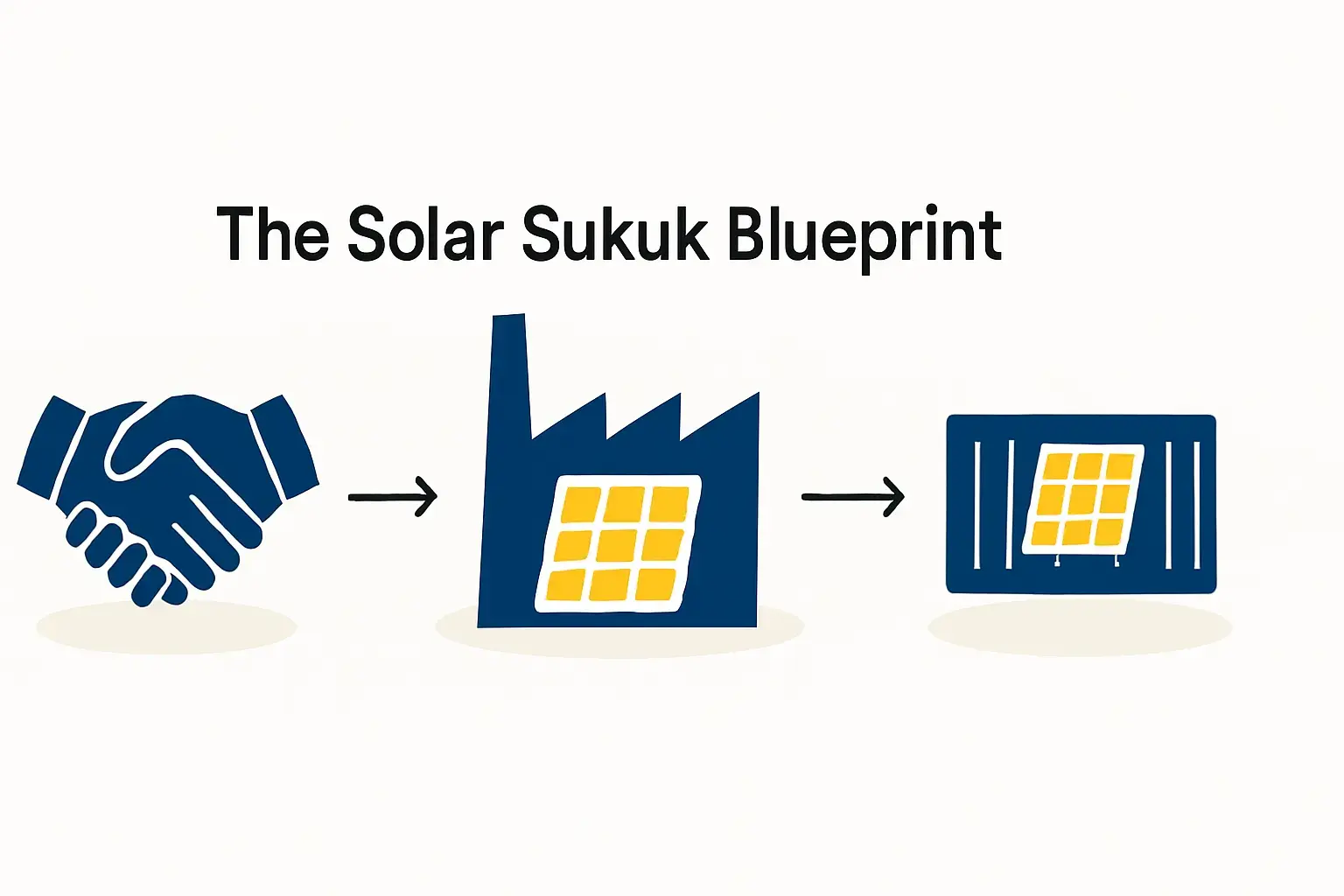
- Business Model: Moroccan-German Joint Venture
- Technical Partner: European Solar PV Equipment Provider
The Joint Venture: A Model for International Collaboration
Successful entry into a specialized manufacturing sector often hinges on combining local knowledge with international technical standards. The project’s joint venture structure leverages the distinct strengths of each partner.
The Moroccan Partner
A prominent local agricultural conglomerate provided the foundational elements for success:
- Land and Local Infrastructure: Access to suitable industrial sites and an understanding of regional logistics.
- Regulatory Navigation: Deep expertise in navigating Morocco’s agricultural land-use regulations and securing necessary permits.
- Market Access: Established relationships with large agricultural producers, who are the primary customers for agrivoltaic systems.
- Local Labor: The ability to recruit and manage a local workforce.
The German Investor
The German partner brought capital and a European approach to quality and finance:
- Capital Injection: Provided a significant portion of the initial investment, signaling confidence in the project’s viability. The overall investment requirements for a solar module factory were shared between the partners.
- De-risking for Local Finance: The presence of a credible international investor made it easier to secure favorable terms from Moroccan banks and green investment funds.
- Quality Standards: Ensured the factory would be built and operated to meet stringent international quality benchmarks—a key factor for long-term success.
The Technical Engineering Partner
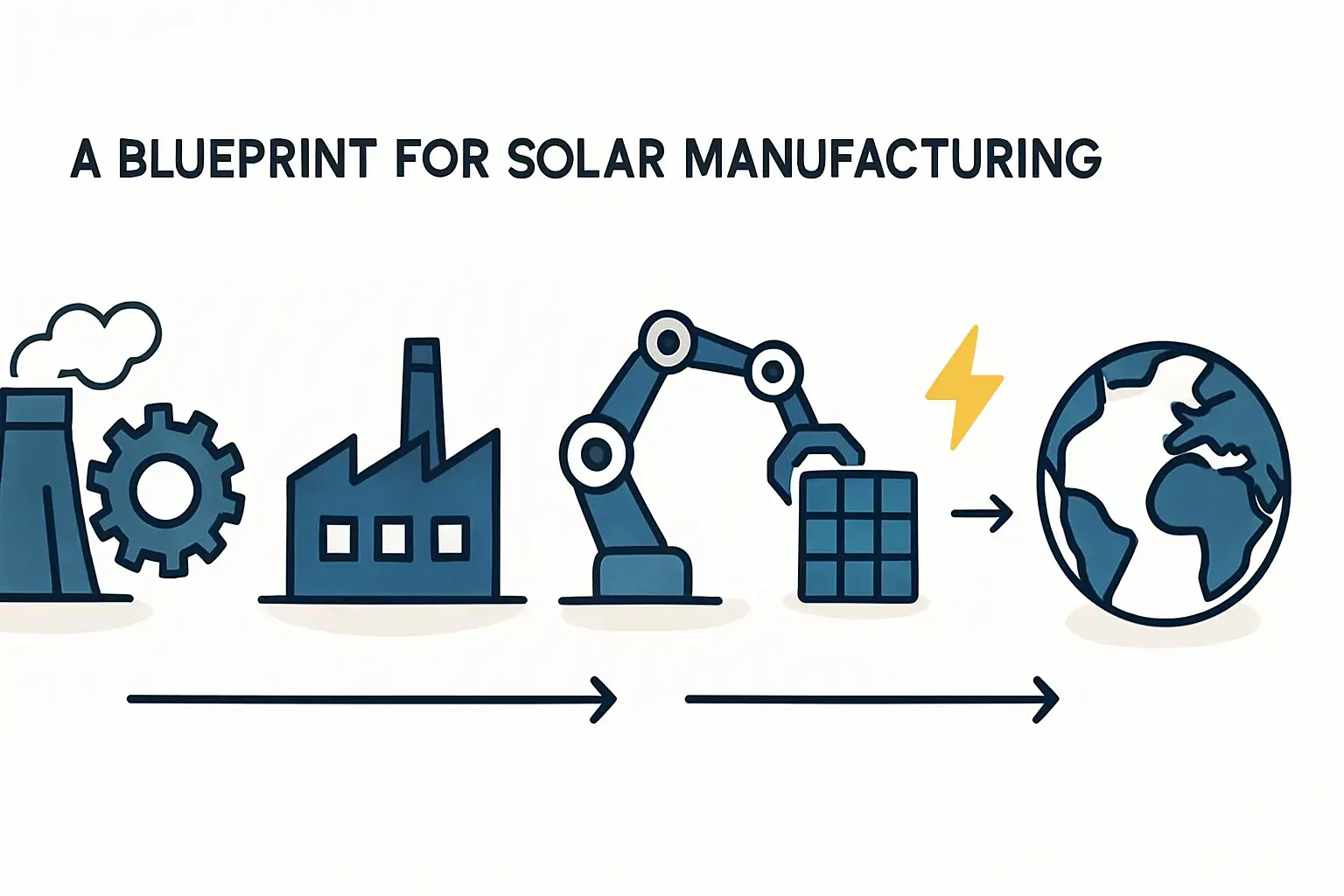
The EU-based photovoltaic manufacturing solution partner served as the project’s technical backbone, providing a complete turnkey solar module production lines solution. This included factory layout, machine selection, process integration, and staff training, ensuring the facility could produce a highly specialized product from day one.
Product Specialization: Bifacial DESERT+ Technology
A key strategic decision was to focus exclusively on modules tailored for the region’s unique environmental conditions and the specific demands of agrivoltaics.
Standard solar modules are not always optimal for this application, so the factory was equipped to produce advanced bifacial solar modules. These modules capture sunlight from both sides, absorbing direct irradiation on the front and reflected light (albedo) from the ground and crops on the back. This can increase energy yield by 10-25%, making the entire system more efficient.
Furthermore, the modules incorporate DESERT+ technology, a system engineered for arid climates. This technology is engineered specifically for hot, arid environments like Souss-Massa, featuring enhanced resistance to high temperatures, sand abrasion, and high UV exposure to ensure a 30+ year operational lifespan.
This focus on a specialized, high-performance product created a strong competitive advantage in the domestic market.
Navigating Challenges and Building a Market
The project’s success was not just about technology; it was about overcoming practical business hurdles.
-
Securing Financing: While the German partner provided equity, a significant portion of the capital was raised locally. The project’s alignment with Morocco’s national strategies for renewable energy and food security made it an attractive candidate for support from national development banks. The detailed business plan, rooted in premier EU provider’s proven turnkey model, provided the technical and financial credibility needed to secure lender backing.
-
Addressing Land Use Regulations: The Moroccan partner’s expertise was invaluable in navigating the complex permitting process. By framing the project as a contributor to agricultural modernization rather than a competitor for land, they successfully obtained the required approvals. The agrivoltaic model itself was the strongest argument.
-
Developing a Domestic Market: A new factory needs guaranteed customers. The consulting team, drawing on decades of experience, helped formulate a go-to-market strategy. This involved:
- Pilot Projects: Collaborating with the agricultural partner to install initial agrivoltaic systems on their own farms, creating powerful demonstration sites.
- Securing Offtake Agreements: Proactively engaging other large agricultural cooperatives and producers in the region to sign purchase agreements before the factory was fully operational.
- Education and Outreach: Working with agricultural associations to educate landowners on the financial and operational benefits of integrating solar energy into their operations.
This case study illustrates how a combination of local expertise, international investment, and specialized technical guidance can create a highly successful manufacturing venture. The project not only provides a blueprint for similar initiatives in other emerging markets but also directly addresses the critical need to harmonize the growth of renewable energy with sustainable agriculture.

Frequently Asked Questions (FAQ)
What exactly is agrivoltaics?
Agrivoltaics (or Agri-PV) is the practice of using the same area of land for both solar photovoltaic power generation and agriculture. Solar panels are typically mounted high enough off the ground to allow farming activities—including the movement of machinery—to continue underneath.
Why is a joint venture a suitable model for this type of project?
A joint venture is particularly suitable because it combines the strengths of different partners. In this case, the local partner provided essential market access and regulatory knowledge, while the international partner brought capital and a focus on global quality standards. This synergy reduces risk and increases the probability of success, especially in a new or specialized market.
What makes the Souss-Massa region ideal for this factory?
The Souss-Massa region has two key advantages: extremely high levels of solar irradiation, making solar energy production highly efficient, and a deeply established, large-scale agricultural sector. This creates a concentrated local market for the factory’s specialized agrivoltaic modules.
How challenging is it to get financing for a solar factory in a market like Morocco?
Financing can be challenging, but it is achievable with a credible plan. This project succeeded by combining international equity investment (which builds confidence) with a strong business case that aligned with national strategic goals. A detailed technical and financial plan, often part of a turnkey package, is essential for securing support from local and national banks.
Download the Morocco 50 MW Agrivoltaic Production Case Study (PDF)
Author: This case study was prepared by the
turnkey solar module production specialists at J.V.G. Technology GmbH
It is based on real data and consulting experience from J.v.G. projects
worldwide, including installations ranging from 20 MW to 500 MW capacity.