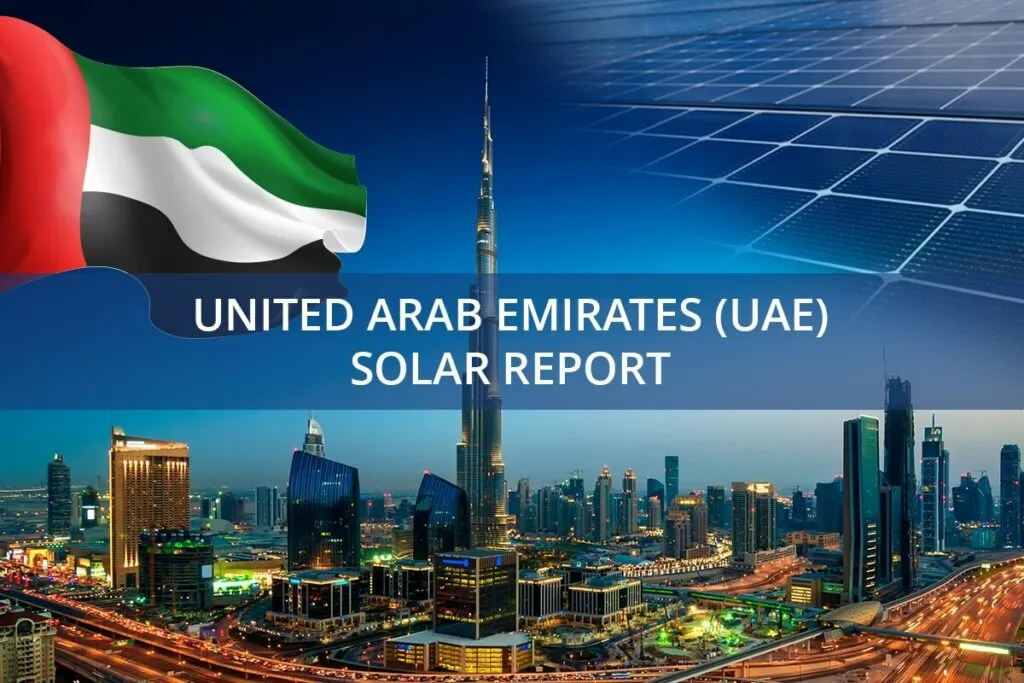
The UAE is a nation buzzing with change, rapidly diversifying its economy and taking bold steps toward a sustainable future. At the heart of this exciting shift lies a powerful drive for solar energy, opening up incredible possibilities for anyone involved in solar manufacturing in the UAE.
Whether you’re an entrepreneur with a vision, an established manufacturer looking to expand, or an investor eyeing this vibrant market, understanding the UAE’s unique business environment is essential. Success here isn’t just about having a great product; it’s about skillfully navigating government initiatives, leveraging top-notch infrastructure, seizing market opportunities, and tackling challenges head-on. This guide walks you through the critical factors that can shape your solar manufacturing journey in the UAE, helping you make smart choices and play a part in building a cleaner energy world.
Table of Contents
The Dawn of a Solar Superpower: UAE’s Renewable Energy Vision
The UAE’s dedication to renewable energy isn’t just a matter of lofty goals; it’s a fundamental part of its national strategy. The UAE Energy Strategy 2050 aims for renewable energy to make up 44% of the nation’s energy mix, while the Net Zero by 2050 Strategic Initiative underscores a deep-seated commitment to decarbonization. Dubai’s Clean Energy Strategy 2050 is even more ambitious, setting a target of 75% of its energy from clean sources. These national ambitions are rapidly turning into concrete actions, backed by planned investments of AED 150-200 billion by 2030 to dramatically boost renewable capacity.
A look at the current solar market reveals an impressive picture. As of early 2024, the UAE’s installed solar capacity stood at around 7.90 GW, with projections showing this figure could exceed 36 GW by 2029. This represents a stunning compound annual growth rate (CAGR) of approximately 35.48%. Landmark projects like the Mohammed bin Rashid Al Maktoum Solar Park in Dubai (aiming for 5,000 MW by 2030) and Abu Dhabi’s Al Dhafra Solar PV project (at 2GW) are powerful symbols of this swift expansion.
Homegrown solar manufacturing is more than just an idea; it’s fast becoming a cornerstone of the UAE’s national strategy. This approach directly supports wider goals like diversifying the economy, creating new jobs, pushing technological boundaries, and strengthening energy independence. By building a robust local supply chain for clean energy, the UAE aims to reduce its reliance on imported parts and create a more resilient energy future.
Laying the Groundwork: Strong Government Support & Proactive Policies
Curious about solar?
Get started now with our free e-course or partner with us through our services to ensure your solar journey is not just smooth, but brilliantly successful.
One of the most encouraging aspects of the market is that the UAE government—from the federal level down to individual emirates—is a strong champion of the solar sector. Officials have implemented a multi-layered support system, and this proactive approach is vital for solar manufacturing success.
- Nationwide and Emirate-Specific Strategies: Beyond the major national plans, individual emirates like Dubai (through DEWA – Dubai Electricity and Water Authority) and Abu Dhabi have their own solid frameworks that actively encourage solar deployment and, increasingly, local manufacturing.
- Financial Incentives: While direct grants for manufacturing are not always standard, the UAE offers compelling advantages. These include tax exemptions (often no corporate or income tax, though it is wise to monitor the new federal corporate tax and its exemptions) and customs duty waivers for machinery and raw materials needed for an industrial setup. Free zones frequently sweeten the deal with additional benefits.
- Helpful Regulations: Government bodies like the Ministry of Energy and Infrastructure (MOEI) and the Emirates Authority for Standardization and Metrology (ESMA) are key players in shaping a regulatory environment that aims for smooth, straightforward processes. ESMA, for example, is the designated body for setting crucial quality and safety standards for solar products.
- Fueling Innovation with R&D Investment: The UAE is also making significant investments in research and development, nurturing an atmosphere where solar technology can flourish. Institutions like Masdar Institute (now part of Khalifa University) are at the forefront of this space.
- Boosting Local Demand with Net Metering & Shams Dubai: Initiatives such as Dubai’s Shams Dubai program allow consumers to install their own solar panels and connect to the grid. This directly stimulates local demand for solar modules, effectively creating a ready market for manufacturers.
Riding the Wave: UAE’s Thriving Economy & Solar Market Surge
Beyond government support, the UAE’s stable and investment-friendly economy provides a robust launchpad for solar manufacturing businesses.
- A Magnet for Investment and Economic Stability: The UAE consistently shines in global rankings for ease of doing business and its ability to attract Foreign Direct Investment (FDI). Its prime strategic location, world-class infrastructure, and strong financial sector make it an attractive destination for capital. The country is also working to position itself as a ‘tariff haven’ for certain industries, which could be a massive plus for solar component exports.
- Market Size & What’s Driving Growth:
- Red-Hot Local Demand: The incredible demand for solar in the UAE is fueled by ambitious utility-scale projects, a growing appetite for commercial and industrial (C&I) rooftop installations which boosts the need for quality commercial solar panels in the UAE, and various residential solar programs. Furthermore, the Levelized Cost of Energy (LCOE) for solar in the UAE is incredibly low—sometimes dipping to just 1.69 US cents/kWh—making it an undeniably competitive energy source.
- Export Powerhouse Potential: With its strategic geographic location and superb logistics network, the UAE is well-placed to become an export hub for solar panels, serving not just the wider Middle East and North Africa (MENA) region but potentially markets even further afield.
- Who’s Buying? Key Players & Major Projects: Large utility-scale projects managed by major entities like DEWA and EWEC (Emirates Water and Electricity Company) are significant drivers of demand. However, the expanding C&I sector also offers considerable opportunities for solar module suppliers.
- The Investment Scene: The UAE is actively seeking major investments, with plans to channel around $54 billion into meeting its energy needs. In addition, a $30 billion UAE climate fund is dedicated to investing in renewables, demonstrating a deep financial commitment to the sector.
Making it Official: Your Guide to Business Setup & Regulations
Now for the specifics of setting up shop. Getting your solar manufacturing facility up and running in the UAE means navigating a regulatory landscape that is generally clear, though it can have its intricate moments.
- Choosing Your Business Structure for Solar Manufacturing:
- Going Mainland: This route allows you to trade directly within the UAE market, which is a major advantage. While this traditionally meant needing a local partner or service agent, recent reforms have opened the door to 100% foreign ownership for many types of businesses.
- Leveraging Free Zones: These are popular for good reason, offering attractive perks like 100% foreign ownership, tax exemptions, and exemptions from import/export duties. Top free zones for industrial setups include Khalifa Economic Zones Abu Dhabi (KEZAD) and Jebel Ali Free Zone (JAFZA). As an example, Abundance (Al Eman General Contracting) is currently building a solar panel factory in KEZAD.
- Licenses, Permits, and Registrations – The Paperwork Trail: The process involves securing an industrial license, environmental permits, and other necessary approvals. Each emirate and free zone authority has its own specific steps, so specialized business setup consultancies can be incredibly helpful and prevent potential delays.
- Staying Green: Environmental Compliance: For industrial projects, you will often need to conduct Environmental Impact Assessments (EIAs). It is also crucial to adhere to regulations concerning waste management and emissions, as the UAE takes this seriously.
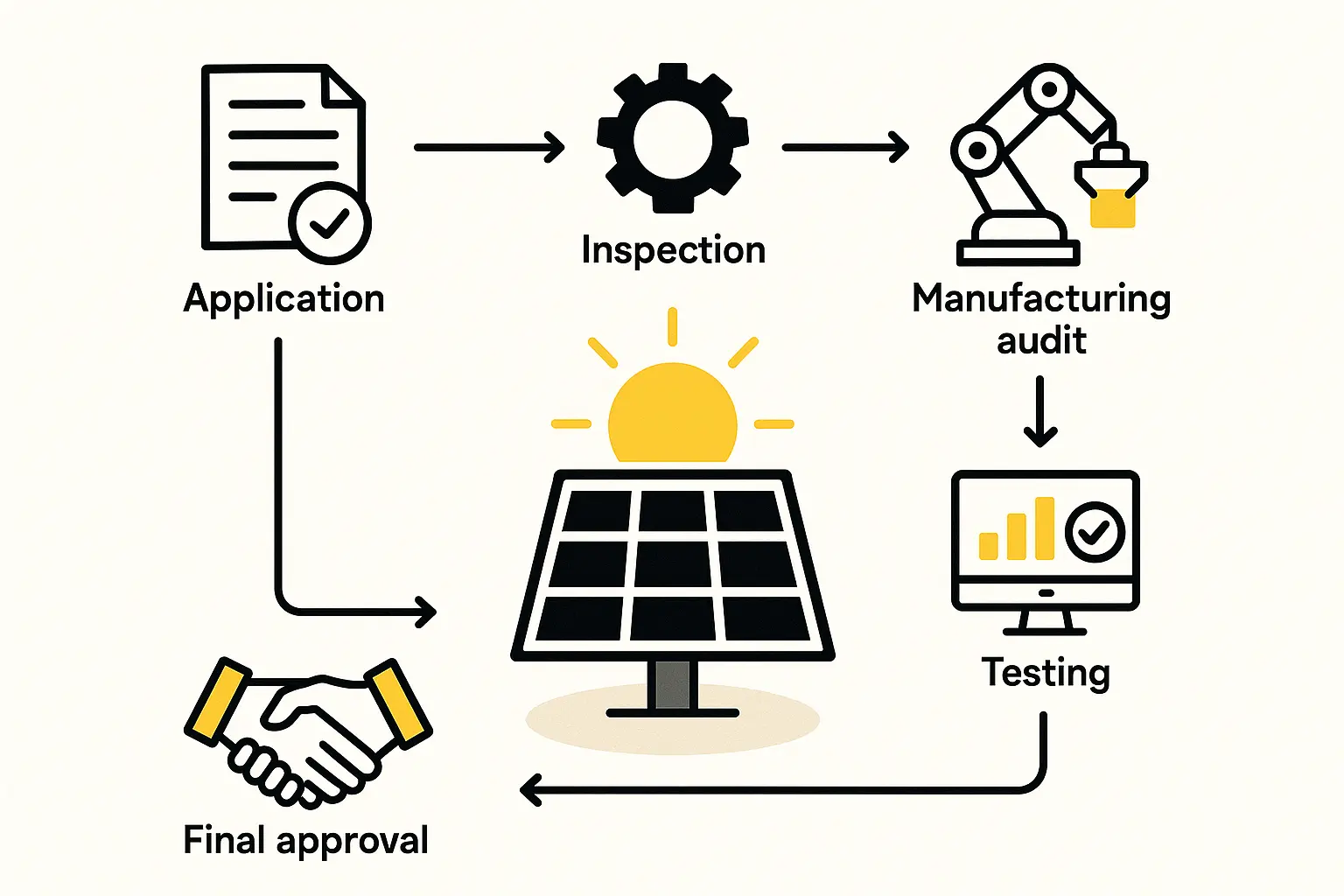
- Meeting Quality Benchmarks and Certifications: Your solar panels and components must meet the standards set by ESMA and, often, international certifications like IEC (International Electrotechnical Commission). This ensures they are high-quality, safe, and market-ready.
The Nuts and Bolts: Infrastructure, Costs, and Your Workforce
Let’s turn to the practical elements of your UAE solar manufacturing venture. While the UAE boasts top-tier infrastructure, it’s wise to understand the associated costs and labor market dynamics during your planning phase.
- World-Class Industrial Backbone: You will find purpose-built industrial zones like KEZAD that offer nearly everything you need: access to land, ready-to-go facilities, utilities, and fantastic logistical links through ports, airports, and road networks.
- Let’s Talk Costs: What to Expect Operationally:
- Powering Your Plant (Utilities): Industrial electricity tariffs are generally competitive; some 2024 estimates put them around $0.11/kWh. As an arid region, water availability and its cost are also important factors to consider.
- Space to Operate (Real Estate): Factory rent in commercial/industrial areas might be around $8.17 per square foot per year, but this can vary considerably depending on the location and facility type. Office space will generally have a higher cost.
- Building Your Dream Team (Labor): The UAE has a wonderfully diverse expatriate workforce, meaning unskilled and semi-skilled labor is generally easy to find. However, for highly skilled technicians and engineers with specific solar manufacturing expertise, a more focused recruitment strategy will be necessary. While average monthly salaries for solar engineers might be around $1,771 (with significant variation), be aware of the government’s ‘Emiratisation’ policy, which encourages hiring more UAE nationals in the private sector.
- Getting Your Supplies (Raw Materials & Components): A significant portion of your raw materials (like polysilicon, glass, EVA, backsheets) and specialized components might need to be imported. This will naturally impact your costs and supply chain management, making smart sourcing strategies essential.
- Smooth Moves: Logistics and Supply Chain Efficiency: One of the UAE’s greatest strengths is its advanced logistics infrastructure, including major ports like Jebel Ali, international airports, and extensive road networks. This makes moving raw materials and finished goods highly efficient.
Staying Ahead: Tapping into UAE’s Tech & Innovation Scene
For those passionate about technology and innovation, the UAE is an enthusiastic partner. The nation is keen on cultivating technological progress within its key industries, and solar manufacturing is no exception.
- A National Drive for Tech Leadership: There is a clear national push in the UAE to embrace advanced technologies and build an economy powered by knowledge and innovation.
- Collaboration and R&D Hubs: Universities and research centers are increasingly focusing on renewable energy. This opens up exciting opportunities for collaborations between industry and academia.
- Smarter Manufacturing: Adopting automation, using AI in production lines, or implementing smart factory concepts can significantly boost efficiency and competitiveness. The UAE’s general push towards automation in manufacturing is already helping make local production more cost-effective.
- Local Testing and Certification Muscle: Developing local facilities for testing and certifying solar products to international standards is an ongoing effort. As this capacity grows, it can reduce reliance on overseas facilities, saving both time and money.
Overcoming the Hurdles: Key Challenges for Solar Manufacturers in UAE

While the opportunities in the UAE are fantastic, any savvy business leader enters a new market with eyes wide open. Here are some of the specific challenges you might encounter with solar manufacturing in the UAE:
- The Desert Climate: The harsh desert environment—with its high temperatures, humidity, and pervasive dust—can affect solar panel performance and longevity. This requires specialized designs and robust cleaning and maintenance routines. These conditions can also impact manufacturing processes if not carefully managed within the facility.
- Supply Chain Sensitivities: Relying on imported raw materials (like polysilicon, or cells if you aren’t vertically integrated) and specialized components can expose a business to price swings and logistical issues. Building resilient supply chains is crucial.
- Fierce Competition: The global solar market is incredibly competitive. As a local manufacturer in the UAE, you will be up against established international giants, especially from Asia. Finding a unique niche or achieving compelling cost-effectiveness will be vital to stand out.
- Bridging the Skilled Labor Gap: While there is a large general labor pool, finding and retaining highly specialized talent for advanced solar manufacturing roles can sometimes be challenging.
- Grid Integration: Although not a direct challenge for manufacturers, ensuring grid stability as more solar power comes online is essential for sustained market demand. The UAE is actively modernizing its grid to address this.
- Initial Investment: Setting up a solar manufacturing line requires a significant upfront investment in machinery, facilities, and technology. It is a major financial commitment.
The Bright Horizon: Future Outlook & Untapped Potential
With these factors in mind, what does the future hold? For solar manufacturing in the UAE, the outlook is exciting, and the potential is immense.
- Growth on the Horizon: With ambitious renewable energy targets and massive projects continually rolling out, the demand for solar panels is set to keep climbing, continuing the growth story of the UAE solar market.
- Finding Your Niche: Opportunities extend beyond standard PV modules. Consider areas like Building Integrated Photovoltaics (BIPV), solar thermal technologies, or specialized products designed for off-grid use or the region’s unique environmental challenges.
- UAE: Your Strategic Export Gateway: By leveraging its prime geographical location and existing trade agreements, the UAE is poised to become a major exporter of solar technologies to the MENA region and beyond.
- Fueling a Greener Economy and Creating Jobs: The growth of a local solar manufacturing sector will be a huge boost to the UAE’s green economy goals, creating valuable skilled jobs and fostering sustainable industrial growth.
Conclusion: Your Blueprint for Solar Manufacturing Success in the UAE
The UAE presents a compelling environment for anyone serious about entering the solar manufacturing sector. You have strong government backing, a healthy economic climate, and surging demand. However, success isn’t guaranteed—it’s earned. It calls for a solid understanding of local operations, smart strategic planning, and the flexibility to adapt to an ever-evolving market.
To make your mark and thrive in the UAE solar manufacturing landscape, keep these essentials front and center:
- Do Your Homework: Thorough market research and feasibility studies are your most important tools. Do not skimp on this foundational step.
- Team Up Strategically: Consider partnering with local players who know the market or with experienced technology providers.
- Shine with Quality and Innovation: Differentiate your business with top-notch products designed for the region and keep a close watch on the latest technological advancements.
- Keep Costs in Check: Smart operational cost management and highly efficient supply chains are crucial for your bottom line.
- Know the Ropes: Understand all local licensing requirements, environmental rules, and quality standards to avoid complications.
By digging into these areas and making the most of what the UAE offers, forward-thinking entrepreneurs and companies have a fantastic opportunity to build a thriving solar manufacturing business. You will not only be part of the UAE’s incredible shift to sustainable energy but also be perfectly positioned to enjoy the rewards of this growing market.
We would love to hear your thoughts. What aspects of setting up a solar manufacturing business in the UAE seem most exciting or challenging to you? Share your comments below to start a conversation.
Frequently Asked Questions (FAQs)
What kind of government incentives can solar manufacturers expect in the UAE?
The UAE offers several useful incentives for solar manufacturers. These include potential tax breaks (especially within a free zone setup) and customs duty waivers on imported machinery and raw materials. Business setup processes are also generally designed to be supportive. Furthermore, the government’s major push for renewable energy projects creates vital demand for your products. Direct cash grants for manufacturing can be more specific to an emirate or particular program, so it’s worth researching those details.
Is it generally better to establish a solar manufacturing plant in a UAE free zone or on the mainland?
The choice between a free zone or mainland setup for solar manufacturing in the UAE depends on your business model. Free zones—such as KEZAD or JAFZA—are fantastic for their perks like 100% foreign ownership, tax exemptions, and top-notch logistics, making them ideal if your strategy involves significant exports. A mainland setup, on the other hand, allows direct access to the local UAE market. While this route traditionally required a local sponsor, rules are changing to allow more 100% foreign ownership scenarios on the mainland as well. It’s a strategic decision to weigh carefully.
What are the biggest hurdles for solar panel manufacturing related to the UAE’s climate?
The UAE’s climate presents several challenges for solar panel manufacturing and performance. High temperatures, humidity, and pervasive dust can reduce panel efficiency and potentially accelerate degradation if maintenance is not prioritized. This necessitates robust cleaning schedules. Beyond the panels themselves, the manufacturing plant must be engineered to handle these conditions to ensure sensitive equipment and processes operate smoothly.
Just how strong is the demand for locally manufactured solar panels in the UAE?
The demand for locally manufactured solar panels in the UAE is strong and growing. It is being supercharged by several factors: massive, utility-scale projects like the Mohammed bin Rashid Al Maktoum Solar Park, a boom in commercial and industrial rooftop solar installations, and various residential solar programs. Critically for local manufacturers, there is a clear strategic push from the government to increase local content in major projects, so the appetite is certainly there.
Can you give a ballpark figure for the cost of setting up a solar module production line in the UAE?
Pinpointing the exact cost of setting up a solar module production line in the UAE is difficult, as it varies widely. Key factors include the plant’s capacity, the level of automation, the specific solar technology used, and whether you opt for a turnkey solution. A detailed business plan is needed for an accurate figure. However, the major budget items will always include machinery, land and building acquisition or leasing, utilities, labor, and raw material procurement. For tailored projections, specialists like PVknowhow.com, who handle detailed planning and turnkey setups, can provide expert guidance.
What’s the skilled labor situation like for solar manufacturing in the UAE?
Regarding talent for solar manufacturing in the UAE, the country’s large and diverse expatriate workforce means general labor is not difficult to source. However, finding experienced engineers and technicians with highly specialized knowledge of solar PV manufacturing can be more of a challenge. You may need to recruit internationally or invest in high-quality training programs to upskill your local team.
Sources
Cited Sources
- https://www.pvknowhow.com/solar-report/united-arab-emirates/
- https://www.pvknowhow.com/news/uae-solar-market-growth-expected-2025/
- https://www.imarcgroup.com/uae-solar-energy-market
- https://www.imarcgroup.com/insight/profitability-cost-analysis-of-solar-pv-module-manufacturing-plant-a-detailed-cost-model
- https://www.creationbc.com/news/opportunities-and-challenges-of-setting-up-a-renewable-energy-company-in-the-uae/
- https://orexpower.com/blogs/solar-companies-in-uae
- https://www.mercomindia.com/middle-east-accelerates-solar-manufacturing-push-but-raw-materials-a-hurdle
- https://www.thenationalnews.com/business/challenges-to-uae-solar-power-remain-but-it-still-makes-sense-1.215497
- https://solarquarter.com/2024/04/26/powering-progress-trends-and-challenges-in-solar-and-storage-market-growth-across-the-middle-east/
- https://www.infolink-group.com/energy-article/solar-topic-trends-challenges-in-the-middle-eastern-pv-industry
- https://u.ae/en/information-and-services/environment-and-energy/water-and-energy/types-of-energy-sources/solar-energy
- https://en.wikipedia.org/wiki/Solar_power_in_the_United_Arab_Emirates
- https://www.uae-embassy.org/discover-uae/climate-and-energy/uae-energy-diversification
- https://www.mordorintelligence.com/industry-reports/united-arab-emirates-solar-energy-market
- https://solarbuildermag.com/pv-modules/solar-manufacturing-expanding-in-tariff-haven-middle-east-north-africa/
- https://www.agbi.com/renewable-energy/2025/05/uae-fund-targets-us-renewables-as-trump-rolls-back-incentives/