While investors considering a new solar module factory often focus first on machinery and capital, experience from countless turnkey projects shows that a successful operation hinges on its people. The availability, cost, and trainability of the local workforce can determine a project’s long-term profitability. In Zambia, two primary industrial regions present distinct opportunities and challenges for sourcing technical talent: the capital, Lusaka, and the historic industrial heartland of the Copperbelt.
Choosing a location, therefore, is not merely a logistical decision but a strategic one that directly impacts human resources. This analysis examines the labor markets in both regions to provide a clear framework for investors planning to enter Zambia’s solar manufacturing sector.
Understanding Zambia’s Industrial Landscape
Zambia’s economic geography is largely defined by two centers of gravity. As the nation’s capital, Lusaka serves as the commercial, administrative, and logistical hub. The Copperbelt Province, encompassing cities like Ndola, Kitwe, and Chingola, is the traditional core of Zambia’s mining and heavy industry. Decades of distinct economic activity have cultivated a unique labor profile in each region.
For an entrepreneur exploring how to start a solar panel manufacturing business, understanding these regional differences is the first step toward building a resilient and skilled production team. The ideal location will align with the business’s priorities, whether that means minimizing operational costs, accessing a diverse talent pool, or ensuring long-term staff retention.

Comparative Analysis of the Labor Pools
A factory’s location significantly influences its recruitment strategy, wage budgets, and training requirements. What follows is a detailed comparison of the labor markets in Lusaka and the Copperbelt.
Lusaka: The Commercial and Logistical Hub
As the country’s largest city, Lusaka offers the most extensive and diverse labor pool. Its economy is varied, with strong sectors in finance, retail, construction, and light manufacturing.
Key Characteristics:
-
Diverse Talent Pool: Lusaka attracts professionals from across the country, providing a larger selection of candidates with varying technical backgrounds.
-
Higher Competition: A new solar factory will compete for skilled technicians with other manufacturers and companies in logistics, telecommunications, and construction, which in turn drives up wage expectations.
-
Wage Structure: Based on market data, wages for skilled technicians in Lusaka are typically 15–20% higher than in the Copperbelt. The capital’s higher cost of living is a significant contributing factor.
-
Training Infrastructure: The city provides better access to established vocational institutions, such as the Lusaka Vocational Training Centre, which can supply entry-level candidates with foundational technical skills.
An investor prioritizing access to a wide range of skills and proximity to national logistics networks may find Lusaka advantageous. However, this comes at the price of higher labor costs and potentially greater staff turnover as employees are drawn to competing opportunities.
The Copperbelt: The Industrial Heartland
Generations of mining have shaped the Copperbelt’s workforce, creating a labor market with deep-rooted expertise in mechanical and electrical engineering, albeit within a heavy industry context.
Key Characteristics:
-
Specialized Skill Set: The region has a high concentration of technicians skilled in electrical systems, mechanics, and industrial maintenance. While retraining is essential, this background provides an excellent foundation for a solar factory’s operational needs.
-
Lower Wage Expectations: With fewer competing industries outside of mining, average technician wages are approximately 15–20% lower than in Lusaka. The national average salary for a qualified technician ranges from ZMW 6,000 to ZMW 9,000 per month, with the Copperbelt trending toward the lower end of this scale.
-
Higher Employee Retention: Lower staff turnover is a significant advantage. The limited number of alternative industrial employers in the Copperbelt often leads to greater company loyalty and lower long-term recruitment and training costs.
-
Government Incentives: Provincial authorities in the Copperbelt are actively encouraging economic diversification away from mining. Investors may find local government support and potential incentives for establishing new manufacturing operations.
The primary challenge in the Copperbelt is adapting a workforce from a heavy-industry mindset to the precision and delicacy required for electronics and solar module assembly.
The Critical Role of Training and Skill Development
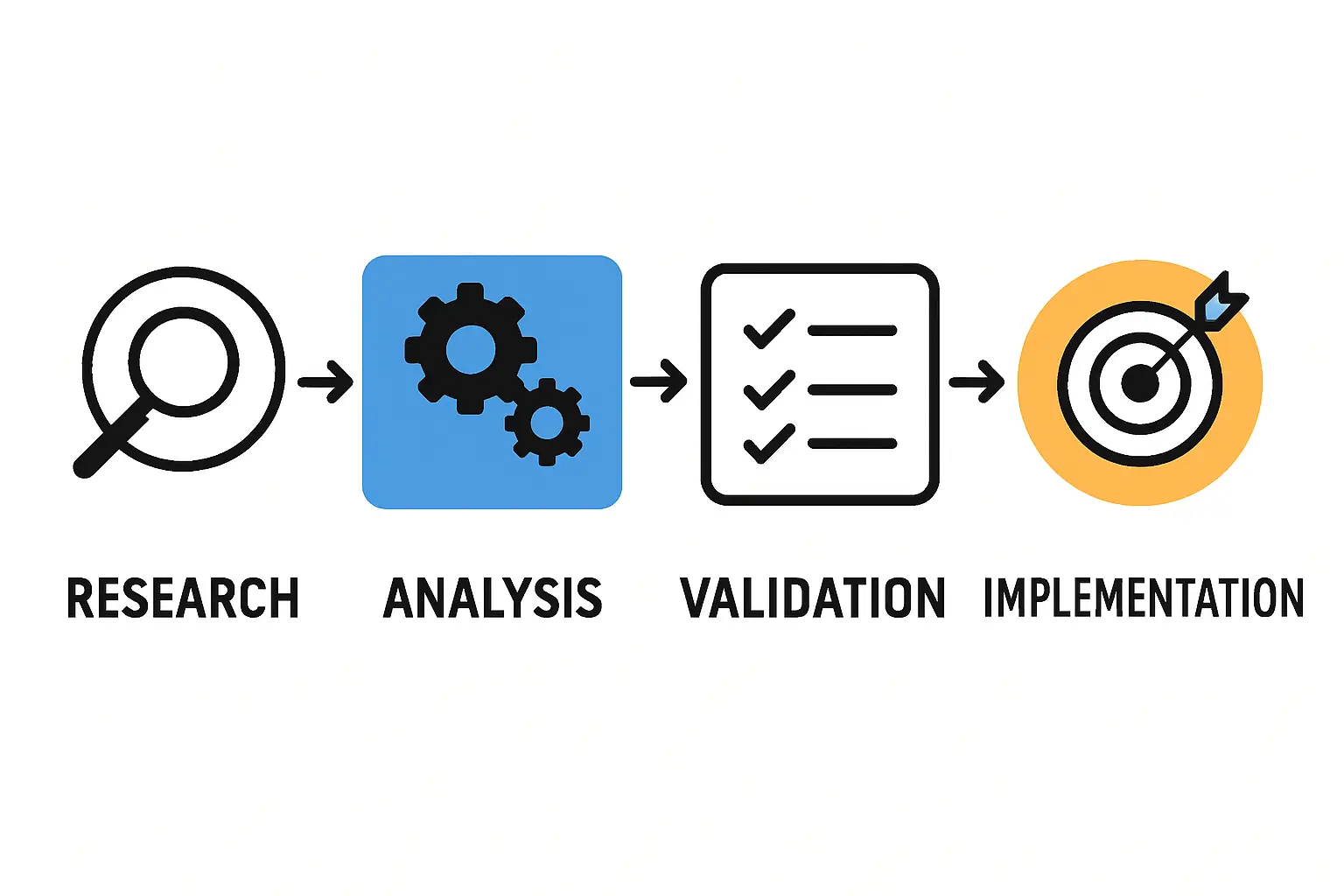
Since solar panel manufacturing is a new industry for Zambia, no candidate will have direct experience. A structured, in-house training program is therefore not an option—it is a cornerstone of the business plan, regardless of location. Recruitment should focus on technical aptitude, work ethic, and a willingness to learn, rather than specific solar expertise.
An effective training program often combines theoretical knowledge with extensive hands-on practice. A typical program for a new production team covers:
-
Foundational Theory (1 Week): Principles of photovoltaics, material science, and production workflow.
-
Safety and Process Protocols (1 Week): International standards for workplace safety and quality control.
-
Machine-Specific Training (2-4 Weeks): Hands-on operation of key equipment like cell stringers, laminators, and testers, often conducted by the machinery supplier’s engineers.
-
Ongoing Mentorship: Pairing junior technicians with experienced supervisors for continuous skill development.
This initial four- to six-week phase prepares the team for commissioning and ramp-up. The investment in robust training directly impacts production efficiency, module quality, and long-term operational costs.

A Strategic Framework for Decision-Making
The choice between Lusaka and the Copperbelt comes down to an investor’s strategic priorities.
| Factor | Lusaka | The Copperbelt | Strategic Implication |
|---|---|---|---|
| Skill Availability | Diverse, broad technical backgrounds | Specialized in electrical and mechanical | Lusaka offers more choice; Copperbelt offers focused skill base |
| Wage Costs | Higher (15-20% premium) | Lower | Copperbelt is advantageous for minimizing operational expenses |
| Employee Retention | Moderate to Low | High | Copperbelt offers greater stability and lower long-term costs |
| Training Needs | Foundational training required | Retraining from heavy to precision industry | Both require significant training; focus differs |
| Logistics | Excellent (National Hub) | Good (Regional Hub) | Lusaka superior for import/export and government access |
Frequently Asked Questions (FAQ)
-
What are the typical monthly wages for a solar production technician in Zambia?
The national average for a qualified technician is typically between ZMW 6,000 and ZMW 9,000 per month. This can vary based on experience, specific role, and location, with wages in Lusaka generally 15–20% higher than in the Copperbelt. -
Is prior experience in the solar industry necessary for new technicians?
No. Since solar module manufacturing is new to Zambia, expecting candidates with direct experience is unrealistic. It is more effective to hire individuals with a solid background in electrical, mechanical, or general manufacturing and provide them with specialized in-house training. -
How long does it take to train a new production team?
A comprehensive initial training program for a new team of operators and technicians typically takes four to six weeks. This includes classroom instruction and extensive hands-on practice with the production equipment before the line becomes fully operational. -
Are there government programs to support staff training in Zambia?
The Zambian government supports initiatives to enhance manufacturing skills through organizations like the Industrial Development Corporation (IDC). Investors, particularly in the Copperbelt, are also advised to engage with provincial authorities about specific incentives for industrial diversification.
Conclusion and Next Steps
The decision to establish a solar factory in Lusaka or the Copperbelt is nuanced, with no single correct answer. An investor prioritizing cost control and workforce stability may find the Copperbelt’s lower wages and higher retention rates attractive. Conversely, an investor requiring a diverse talent pool and premier logistical connections might be better served by Lusaka, despite its higher operational costs.
Ultimately, success depends less on the location itself and more on the strategy built around it. A well-structured recruitment process and a rigorous, continuous training program are the keys to building a world-class production team in either region. Analyzing the local labor market is, therefore, a critical first step in developing a comprehensive business plan for a successful solar venture in Zambia.