
California’s MCE and Golden State Clean Energy (GSCE) are partnering on a solar initiative, the first step in a broader plan to deploy up to 20GW of solar and 20GW of storage capacity.
Valley Clean Infrastructure Plan Development Program
This collaboration is part of the Valley Clean Infrastructure Plan, a development program designed to repurpose up to 130,000 acres of drainage-impaired or water-challenged land in Fresno County’s Westlands Water District. As the largest agricultural water district in the US, the District covers 614,000 acres (2,400 square kilometres) and supports a vast agricultural sector.
The program will allow family farms to lease land for clean energy projects, enhancing the region’s water efficiency by focusing resources on more productive farmland. The plan also addresses significant industry concerns about land use and the potential impact of clean energy projects on farmable land.
“At full buildout, the plan would include up to 20GW of solar and 20GW of energy storage, which, if achieved, would cover one-sixth of California’s electricity requirements in 2035,” MCE said.
MCE and GSCE Sign MOU for Up to 400 MW Solar
MCE and GSCE have signed a memorandum of understanding (MOU) for a solar and battery energy storage system (BESS) project of 200 to 400 MW. The project will include a 4- or 8-hour storage system and is designed to help MCE meet its mid- to long-term procurement goals, with a targeted commercial operation date (COD) between 2028 and 2030.
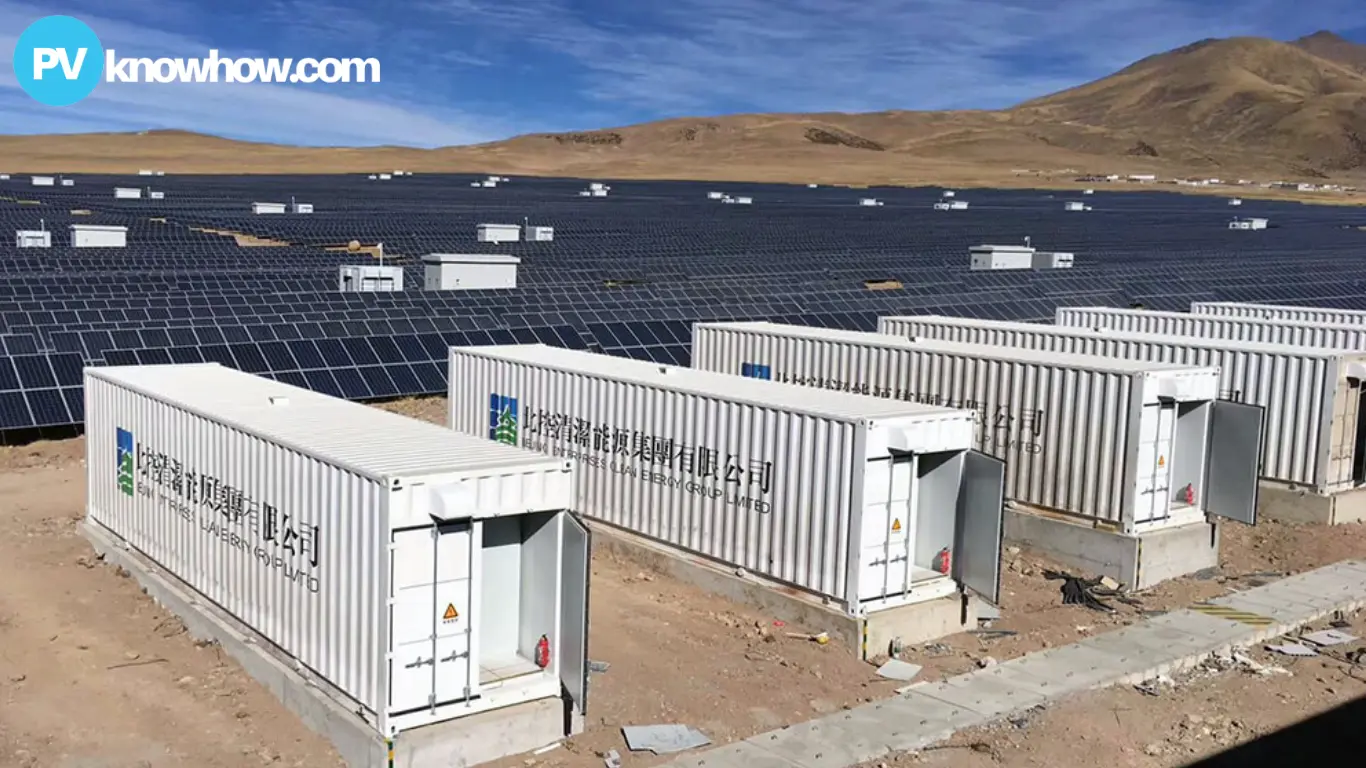
Image: Collected
“This agreement with Golden State Clean Energy allows MCE to be deeply involved in the planning process for these resources. The project could provide MCE with a valuable solar and storage project and is a unique opportunity to build something tailored to the needs of our customers and California as a whole,” said Vicken Kasarjian, MCE COO.
MCE Leverages IRA to Explore Ownership Options
MCE will be the program’s first customer, with options to either develop the project itself or secure resources through power purchase agreements (PPAs). The Inflation Reduction Act (IRA) has made direct ownership of clean energy projects more appealing for non-profit co-operative utilities and aggregators like MCE, making tax credits available through direct IRS payments.