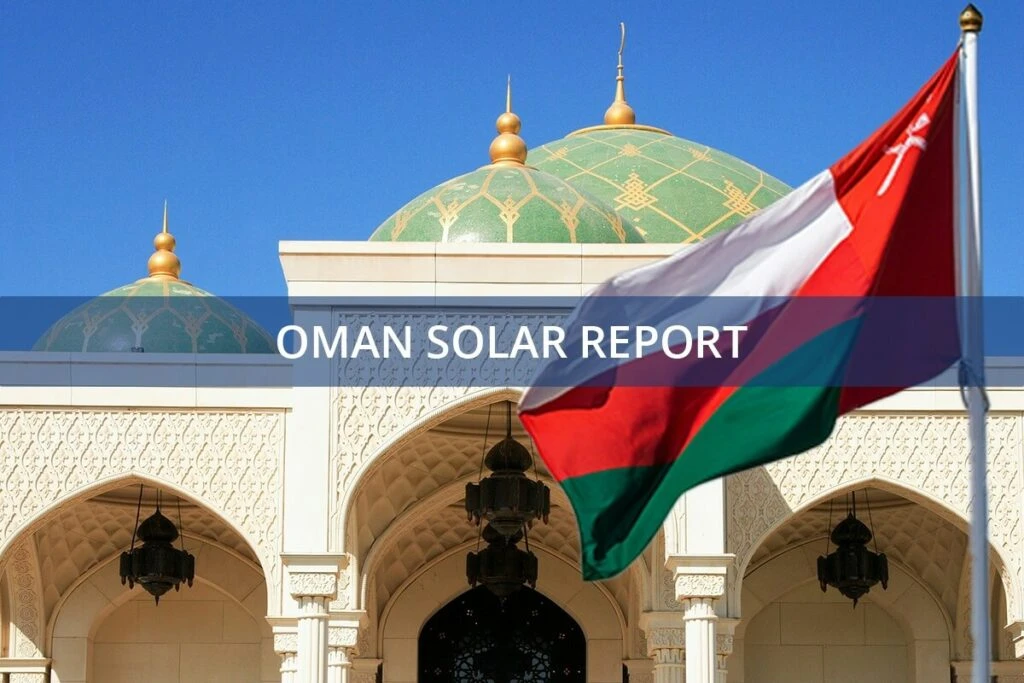
The Oman Convention & Exhibition Centre (OCEC) is pioneering renewable energy with the installation of a 4.6-megawatt-peak rooftop solar power system, expected to generate over 7,000 megawatt-hours of electricity annually.
Set to become a beacon for sustainable infrastructure in Oman, the OCEC’s solar rooftop project demonstrates a firm commitment to environmental responsibility and energy efficiency. This partnership with TotalEnergies signifies a broader focus on sustainability for both the center and the entire region. Beyond its environmental benefits, the initiative will also create local jobs and reduce reliance on fossil fuels.
OCEC Advances Sustainability
The Oman Convention & Exhibition Centre (OCEC) has announced a major solar energy initiative, aligning with His Majesty Sultan Haitham bin Tarik’s vision for a sustainable future in Oman.

Image: Collected
At recent panels hosted by Petroleum Development Oman (FD Ignite Week) and The Business Year (Oman Business Forum), OCEC CEO Said Salim al Shanfari detailed the initiative. He emphasized that the investment aligns with the company’s strategic focus on impactful, profitable projects that contribute to Oman’s national sustainability agenda.
Project Details and Strategic Partnership
The centerpiece of the project is the rooftop solar power system installed by TotalEnergies Renewables DG MEA. This solar solution is a critical step toward OCEC’s goal of achieving net-zero energy consumption.
Beyond generating clean electricity, the system is expected to improve the center’s thermal and energy efficiency by over 20%. This will significantly reduce the OCEC’s carbon footprint and set a strong example for sustainable development in the region.
This partnership with TotalEnergies, a global energy company committed to renewable solutions, is set to accelerate OCEC’s journey towards sustainability. The collaboration extends beyond solar panel installation, as TotalEnergies will provide an integrated approach to energy efficiency for the entire center.
The partnership also includes implementing smart grid technology—incorporating sensors, actuators, and advanced communication systems—to optimize performance, efficiency, and operations. Expected to be completed by the end of 2024, the project will position OCEC as a model for sustainable infrastructure in Oman.
Innovative Energy Management and Optimization
Alongside its new solar panels, OCEC is implementing advanced energy management technologies. As reported by the Omani Observer, TotalEnergies Renewables DG MEA has developed an energy optimization framework that integrates smart grid technology with advanced monitoring systems to support this effort.
This sophisticated system enables real-time monitoring and control of energy consumption, minimizing waste and maximizing efficiency. With this solution, OCEC is setting a new benchmark for energy management in the region. The approach not only reduces operational costs but also contributes to Oman’s broader energy transition goals.
Community and Economic Benefits
By lowering its carbon footprint and reducing its reliance on non-renewable energy, the OCEC’s solar project directly benefits the local community and promotes cleaner energy practices.
The initiative also aims to educate the public on renewable energy and serve as a tangible model for sustainable development. Furthermore, it contributes to the local economy by creating jobs during its construction, installation, and maintenance phases. As more Omani businesses and institutions embrace sustainability, OCEC’s project helps position the country at the forefront of renewable energy adoption.
Aligning with National Sustainability Goals
The solar energy project aligns with OCEC’s long-term sustainability plan and contributes to Oman Vision 2040, which prioritizes sustainable development and environmental protection.
Beyond reducing operational costs, the project aligns with the national plan to achieve net-zero carbon emissions by 2050. Scheduled for completion by the end of 2024, this initiative represents a significant step toward OCEC’s sustainability goals and offers a powerful example for other organizations across the Middle East to embrace renewable energy.