Contracts Signed for 845 MW of Afghanistan energy projects
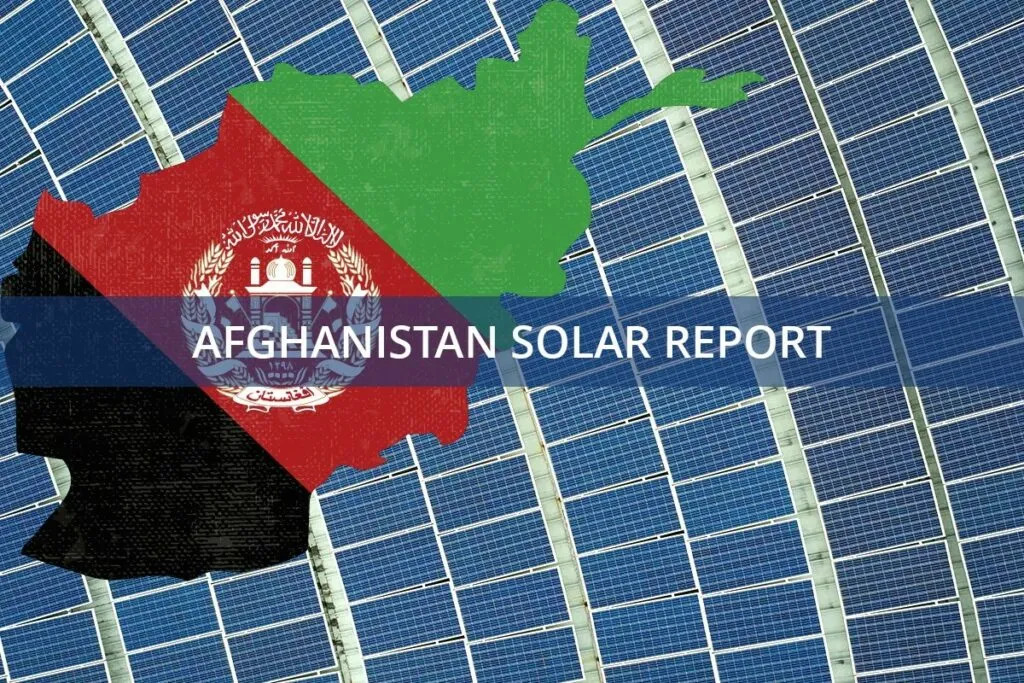
In a significant development for its energy sector, Afghanistan has finalized contracts for five new energy projects poised to generate a combined total of 845 megawatts (MW). This move marks a crucial step in the nation’s strategy to enhance domestic power production and reduce its long-standing reliance on imported electricity.
The agreements were formalized between the Azizi Group of Companies and the national power utility, Afghanistan Breshna Company. According to reports from Afghanistan Times and Atlas Press News, the official signing ceremony was scheduled for Wednesday, February 11, 2026, with high-level officials in attendance, including the Economic Deputy of the Office of the Prime Minister, Mullah Abdul Ghani Baradar, and the General Director of the Azizi Group, Mairoos Azizi.
A Push Towards Energy Independence with Afghanistan energy projects
The five projects are set to utilize a mix of solar and coal energy sources. This initiative aligns with the current administration’s stated goal of achieving greater energy self-sufficiency. For years, Afghanistan has depended heavily on electricity imported from neighboring countries, a situation that leaves its power supply vulnerable to external factors and fluctuating costs. By investing in domestic generation capacity, the country aims to build a more resilient and stable energy infrastructure.
Expert Insight and Future Outlook for Afghanistan energy projects
While the announcement is a positive step, economic experts emphasize that the ultimate success of these projects hinges on several critical factors. They point to the need for complete transparency in the contractual agreements, effective project management, and robust mechanisms to protect public interests throughout the implementation process.
Concerns have been raised regarding the potential challenges of executing such large-scale projects, especially given the limited independent oversight in the current environment. Ensuring these ventures are managed efficiently and for the benefit of the Afghan people will be paramount to realizing their full potential.
The finalization of these contracts represents a pivotal moment for Afghanistan’s energy future. As these solar and coal projects move from agreement to implementation, they hold the promise of not only illuminating homes and powering industries but also paving the way for a more independent and secure energy landscape for the nation.