Algeria Boosts Energy Transition with New Algeria solar energy Plants in 2026
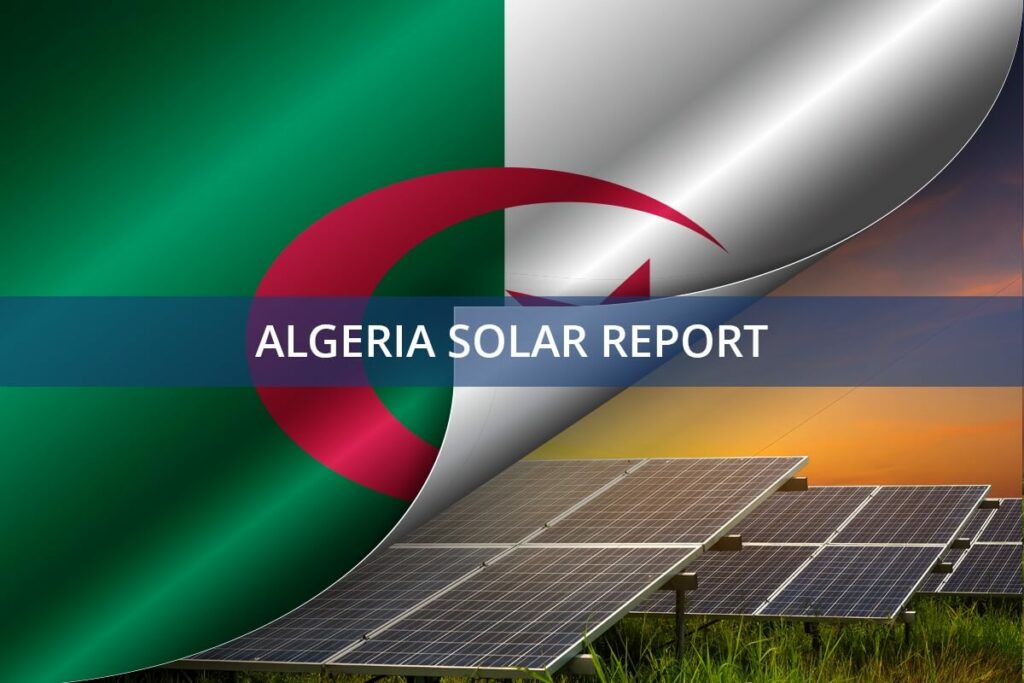
Algeria is poised to make a monumental leap in its energy transition, marking 2026 as a pivotal year for its renewable energy ambitions. Long known for its vast oil and gas reserves, the North African nation is now aggressively harnessing its most abundant resource: the sun. This strategic shift is a core component of Algeria’s National Renewable Energy Program (PNER) 2030, which ambitiously targets 22,000 MW of renewable capacity by the end of the decade, with a primary focus on solar power.
The commissioning of several large-scale solar photovoltaic (PV) plants in 2026 will not only help diversify the nation’s energy mix but also meet soaring domestic electricity demand and position Algeria as a future green energy exporter.
The Solar Surge of 2026: A Closer Look at Key Algeria solar energy Projects
The year 2026 will see a significant increase in Algeria’s installed solar capacity, driven by a portfolio of utility-scale projects. These initiatives, spearheaded by national and international players, underscore the country’s commitment to a sustainable future.
Leading the charge is the colossal 1,000 MW M’Sila Solar Plant. Developed as a joint venture between China Petroleum Engineering & Construction Corp (CPECC) and the Algerian Energy Company (AEC), this project is set to become one of the largest solar facilities in North Africa. With construction already underway since 2024 and financing of $1.2 billion secured, the plant is on track for a mid-2026 launch. Once operational, it is expected to generate approximately 2 Terawatt-hours (TWh) of clean electricity annually.
Further bolstering this expansion is a consortium led by the UAE’s renewable energy giant, Masdar. As part of a massive 3 GW tender, the consortium is developing several sites, with the 200 MW plant in Batna and the 100 MW plant in Biskra slated to come online in the second and third quarters of 2026, respectively. These projects will utilize advanced bifacial PV panels, which capture sunlight on both sides to maximize energy generation.
State-owned utility Sonelgaz is also playing a crucial role, advancing projects in Laghouat and Ghardaïa totaling over 500 MW. These developments are backed by partnerships with global energy leaders like TotalEnergies and Enel Green Power, demonstrating strong international confidence in Algeria’s renewable sector.
Here’s a snapshot of the key projects scheduled for 2026:
| Project | Capacity | Developer/Lead | Expected Online | Estimated Annual Output |
|—|—|—|—|—|
| M’Sila | 1,000 MW | CPECC / AEC | Mid-2026 | 2 TWh |
| Batna | 200 MW | Masdar Consortium | Q2 2026 | 400 GWh |
| Biskra | 100 MW | Masdar Consortium | Q3 2026 | 200 GWh |
| Laghouat & Ghardaïa | 500+ MW | Sonelgaz | Late 2026 | ~1 TWh |
The Bigger Picture: Impact on Algeria solar energy and Beyond
The combined output of these projects is set to add nearly 4 GW of clean energy capacity by the end of 2026, covering an estimated 20% of Algeria’s projected national electricity demand. This has profound implications for the country’s economy and environment.
By substituting fossil fuels, these solar plants will help reduce national carbon emissions by an estimated 3 million tons per year. Furthermore, this push leverages one of Algeria’s greatest natural advantages—its exceptional solar irradiance, which averages between 2,200 and 2,500 kWh/m² per year. This allows the new plants to achieve high-capacity factors of 25-30%, making them highly efficient and economically viable.
Looking ahead, Algeria is not just aiming for energy self-sufficiency but is also laying the groundwork to become a major green energy exporter. Plans are already in motion for undersea electricity interconnectors to Europe, such as the Elmed link via Tunisia, with a target completion of 2028. This strategic vision extends to green hydrogen, with pilot plants being developed to use solar power for electrolysis, potentially making Algeria a key supplier for the European market.
Building a Resilient and Sustainable Future with Algeria solar energy
Algeria’s path has not been without challenges. Past renewable energy projects faced delays due to supply chain disruptions. However, the government has addressed these issues proactively by fostering local manufacturing capabilities. A prime example is the AEC’s factory in Tlemcen, which now produces 500 MW of solar equipment annually, strengthening the domestic supply chain and creating local jobs.
As confirmed by announcements from Algeria’s Ministry of Energy and Mines and project updates from developers like Sonelgaz and Masdar, the momentum is undeniable. The progress on the ground, such as the installation of panels at the M’Sila site, signals that these ambitious goals are rapidly becoming a reality.
The year 2026 is set to be a turning point for Algeria. By decisively turning its focus toward the sun, the nation is not just powering its homes and industries but is also building a more resilient, diversified, and sustainable economy for generations to come.