Argentina’s Renewable Energy Sector Sees Activity Amid Grid Challenges
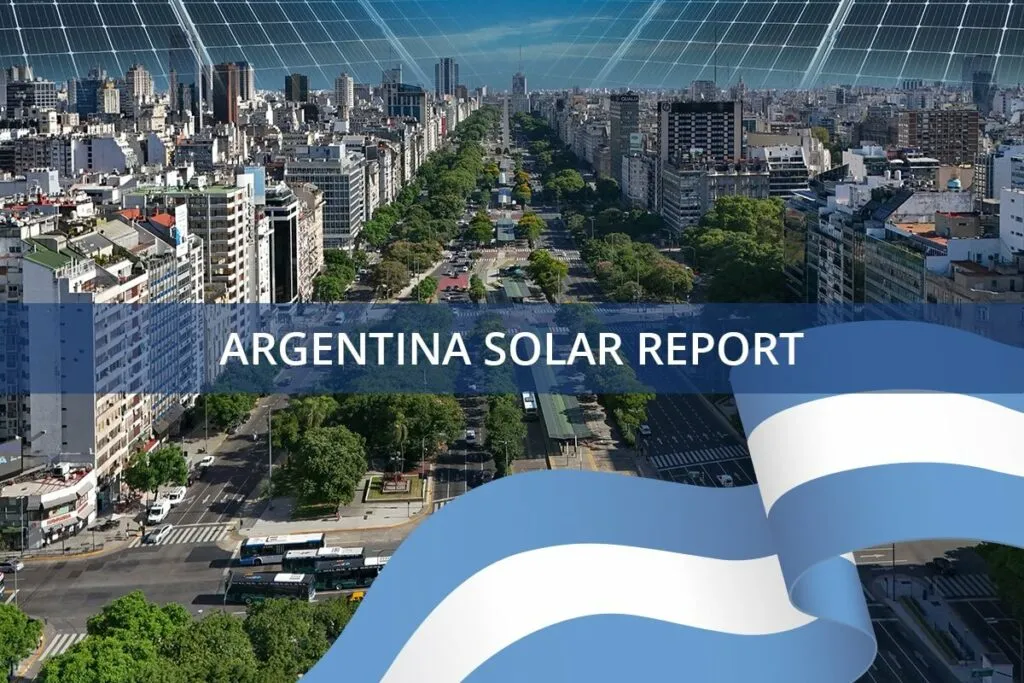
Argentina’s energy landscape is at a pivotal moment. The nation’s renewable energy sector is buzzing with activity and strategic discussions, even as it confronts the fundamental challenge of modernizing its power grid. This period of transition is highlighted by upcoming industry events and significant developments in related sectors, painting a complex but hopeful picture for the country’s clean energy future.
A New Market for Argentina renewable energy Takes Shape
A key indicator of this momentum is the focus on reshaping the country’s power market. Industry leaders and government authorities are gearing up for the FES Argentina 2026 event, scheduled for March 4-5 in Buenos Aires. This crucial summit will serve as a platform for executives to analyze the investments, technologies, and market prospects emerging from a significant structural shift in the country’s approach to renewables. The debates and decisions made here will likely set the course for how Argentina integrates large-scale solar and wind projects into its national grid.
The Strategic Role of Critical Minerals for Argentina renewable energy
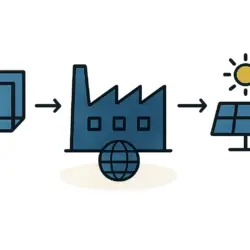
Underpinning this energy transition is Argentina’s rich endowment of natural resources. The nation is actively positioning itself as a key supplier of the raw materials essential for clean energy technologies. Argentina has committed to trade agreements that prioritize the United States for its vast reserves of copper, lithium, and other critical minerals. These materials are indispensable for manufacturing everything from electric vehicle batteries to wind turbines and solar panels, placing Argentina at the heart of the global green supply chain. This strategic positioning could attract further investment and development in its domestic renewable sector.
Global Pressures and Local Opportunities for Argentina renewable energy
Argentina’s push towards renewables is not happening in a vacuum. It aligns with a powerful global trend of energy modernization, where new gas and coal capacities are being upgraded for environmental performance alongside the construction of large solar and wind parks. According to the International Energy Agency’s (IEA) “Electricity 2026” report, global power demand is projected to rise significantly through 2030. This growing demand puts immense pressure on existing energy infrastructure worldwide, making the rapid deployment of clean energy sources more critical than ever. For Argentina, this global context underscores the urgency of overcoming its grid challenges to unlock its full renewable potential.
Diversifying the Clean Energy Mix in Argentina
Beyond solar and wind, Argentina is also part of the conversation around next-generation energy solutions. The country’s uranium deposits are attracting interest from companies involved in advanced nuclear reactor development. While distinct from renewables, this exploration into next-gen nuclear power represents another facet of the broader effort to secure a stable, low-carbon energy supply for the future. This diversified approach suggests that Argentina is exploring multiple avenues to modernize its energy matrix and achieve long-term energy security.
As Argentina moves forward, the primary challenge will be to align its market structures and grid infrastructure with its renewable ambitions. The discussions at FES Argentina 2026 will be a critical test of this alignment, offering a glimpse into whether the nation can successfully harness its resources and opportunities to become a leader in the clean energy transition.