Nigeria’s Aso Rock solar power Project is Complete
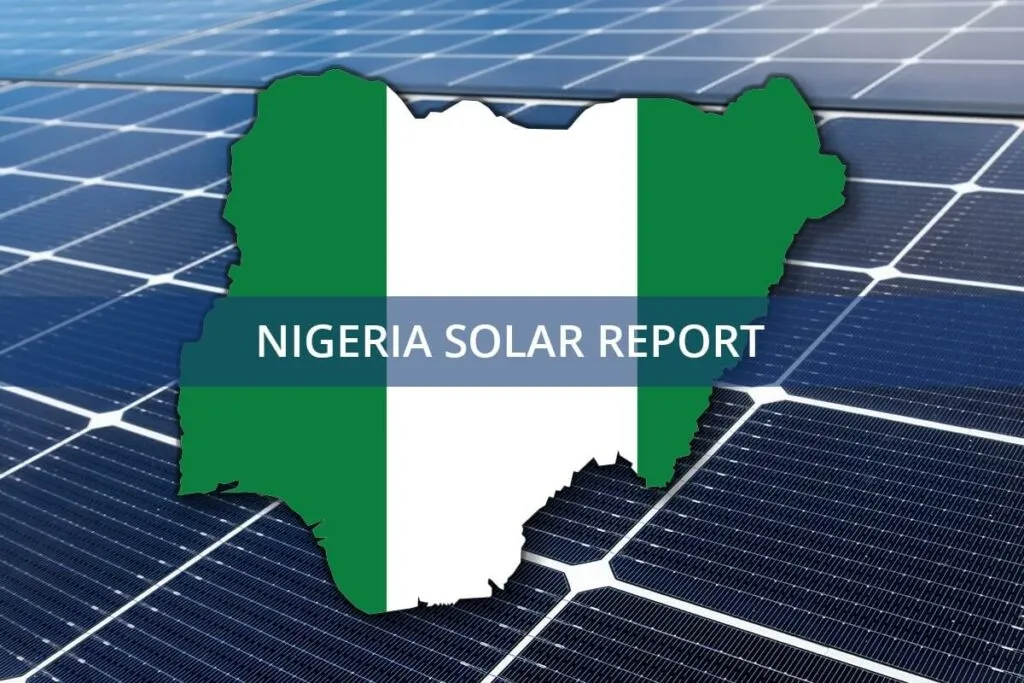
In a landmark move toward energy independence, Nigeria’s seat of power, the Aso Rock Presidential Villa, has completed a major solar power project. The initiative is set to disconnect the entire presidential complex from the nation’s faltering national grid, with a full transition to solar power anticipated by March 2026. This development marks a significant step for the presidency but also casts a sharp light on the country’s broader energy challenges.
A Strategic Shift to Aso Rock solar power
The completion of the solar installation was confirmed by the State House Permanent Secretary, Temitope Fashedemi, during the Senate’s 2026 budget defense. The project, which was finalized in late 2025, has been undergoing successful performance tests since December of that year.
The primary motivations for this transition are both economic and logistical. The move aims to drastically reduce the Villa’s staggering annual electricity and generator costs, which currently stand at N47 billion. By harnessing solar power, the presidency intends to eliminate its dependence on diesel generators and the unreliable national power supply.
A successful pilot of this green initiative has been running at the State House Medical Centre since May 2025. The facility has been operating almost entirely on solar energy, drawing only 3% of its power from the grid and using no generators, proving the viability and efficiency of the system.
Ready to make big Profits?
The solar Industry is Booming
WE HELP NEWCOMERS to the solar industry start their own solar module production line. Customers can make BIG PROFITS by selling modules and finding investors, without wasting money and time on things they don't need!
A Symbol of a Deeper Divide in Aso Rock solar power
While the project is a practical solution for ensuring stable power at the nation’s administrative heart, it has drawn criticism for creating what some call a “solar power cocoon” for the elite. The move by the presidency to secede from Nigeria’s failing grid highlights a stark contrast between the government’s energy security and the daily reality for millions of citizens who continue to grapple with persistent blackouts and an unstable power supply.
This “Villa-first” approach is seen by many as a symbol of the growing divide between the state and its people. It comes at a time when President Bola Tinubu’s 2023 campaign promise to provide reliable electricity nationwide remains largely unfulfilled, with many parts of the country experiencing a reduction in electricity supply.
As Aso Rock prepares to operate independently on clean, reliable energy, the project serves as both a model of sustainable infrastructure and a poignant reminder of the urgent need for a comprehensive national energy solution that benefits all Nigerians. The question that remains is whether this initiative will inspire a broader, nationwide rollout of renewable energy or simply solidify the energy disparity within the country.