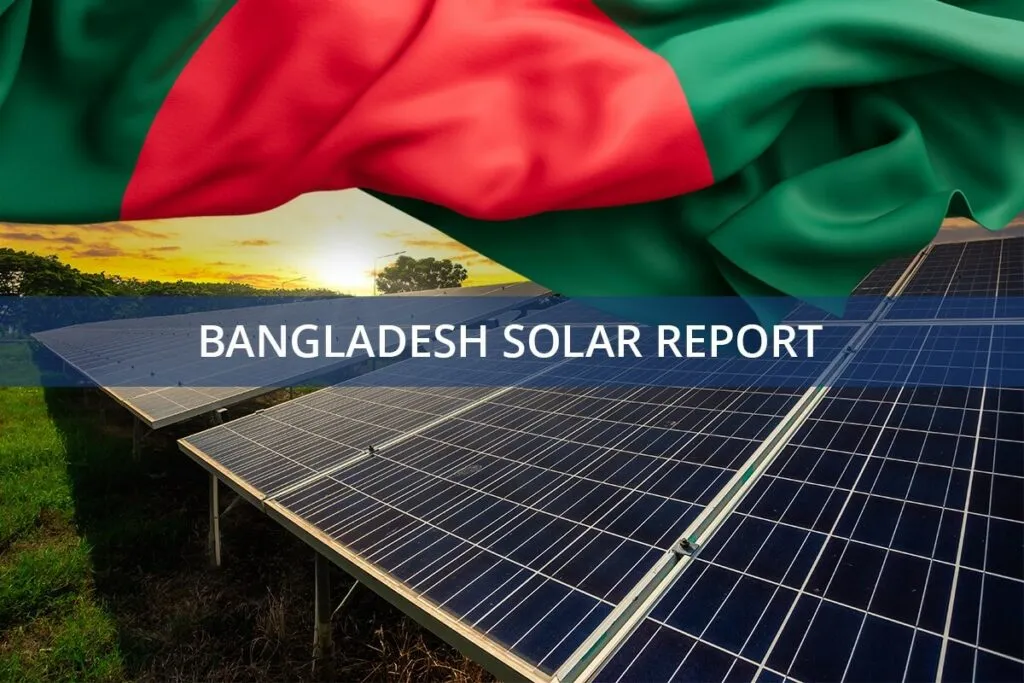
Bangladesh Greenlights 12 New Solar Plants for Bangladesh solar energy
In a significant move to bolster its clean energy credentials, Bangladesh has approved 12 new solar power plants. With a combined capacity of approximately 998 MW, this initiative marks a major step forward in the country’s strategy to increase the share of renewables in its energy mix. This development is a key part of the nation’s ambitious plan to generate 40% of its electricity from renewable sources by 2041, signaling a decisive shift away from fossil fuels. You can follow the latest developments in our [Bangladesh Solar News Archives](https://www.pvknowhow.com/category/pv-news/asia-news/bangladesh/).
Project Scope and Financial Commitment for Bangladesh solar energy
The government’s approval covers a diverse portfolio of grid-tied solar projects, with individual plants ranging in size from 10 MW to 200 MW. This large-scale rollout is backed by a substantial investment of around Tk 39,862 crore, underscoring a serious financial commitment to expanding renewable energy infrastructure. The scale of these new plants is comparable to other major undertakings, such as the [Bangladesh solar project: Impressive 220 MW Plant ...](https://www.pvknowhow.com/news/bangladesh-solar-project-impressive-220-mw-plant-approved/).
Interestingly, the approval of these projects follows a retendering process that successfully brought down prices, making them more economically viable. This highlights the decreasing costs of solar technology and the importance of strategic procurement in large-scale energy projects. Understanding the [solar panel manufacturing plant cost breakdown](https://www.pvknowhow.com/solar-panel-manufacturing-plant-cost-breakdown/) is crucial to appreciating the financial dynamics at play in such massive investments.
Aligning with National and Global Bangladesh solar energy Goals
This development is a cornerstone of Bangladesh’s broader energy policy, which aims to enhance energy security and address climate vulnerability. By integrating nearly 1 GW of clean energy into the national grid, the country reduces its dependence on imported fossil fuels and takes a proactive step towards its climate targets. This move is consistent with worldwide trends detailed in the [Global Solar Report](https://www.pvknowhow.com/global-solar-report/), where nations are increasingly turning to solar to meet their energy demands.
Securing funding for such projects is often a critical hurdle. While some experts note the challenges of limited international climate finance, successful financing models from the past offer a path forward. For instance, partnerships like the one detailed in the [ADB and LEAP 2 Fund Bangladesh Solar Plant Project](https://www.pvknowhow.com/news/adb-provides-funds-for-solar-plant-in-bangladesh/) demonstrate how international collaboration can accelerate renewable energy deployment.
The construction and operation of these plants will involve a complex supply chain, from sourcing [solar panel raw materials](https://www.pvknowhow.com/solar-panel-raw-materials/) to the intricacies of the [solar panel manufacturing process](https://www.pvknowhow.com/solar-panel-manufacturing-process/). Ultimately, the approval of these 12 plants represents a major milestone in Bangladesh’s journey toward a sustainable and resilient energy future.
To learn more about the fundamentals of creating solar energy solutions, from initial concept to full-scale production, explore our [free e-course](https://www.pvknowhow.com/free-ecourse/) on solar panel manufacturing.