Bhutan’s renewable energy sector is poised for significant growth, fueled by two key initiatives: the construction of the country’s first utility-scale solar power plant in Sephu and a €150 million loan from the European Investment Bank (EIB) to expand solar and wind energy capacities.
Expanding Solar Energy in Bhutan’s Renewable Energy Mix
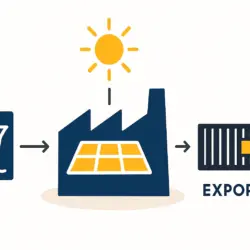
Bhutan is making considerable strides on its renewable energy journey with the development of its first utility-scale solar power plant in Sephu. This 17.38-megawatt (MW) solar photovoltaic (PV) project began construction in July 2023 and is on track for completion by late 2024. Once operational, the plant is expected to generate around 25 gigawatt-hours (GWh) of electricity annually, making a significant contribution to Bhutan’s energy mix.
The Sephu solar plant is a strategic move to diversify Bhutan’s energy sources, which have long been dominated by hydropower. Although hydropower provides nearly 99% of the country’s electricity, it is highly susceptible to seasonal variations. During the winter months, when river levels drop, Bhutan often faces electricity shortfalls and must rely more heavily on imported power from neighboring India.
Introducing solar power will help alleviate these seasonal deficits by providing a steady, year-round electricity supply and enhancing the stability of the national grid. By generating 25 GWh of electricity each year, the Sephu plant will reduce Bhutan’s reliance on hydropower during the dry season and decrease its need for energy imports.
European Investment Bank Fuels Bhutan’s Renewable Energy Growth
Complementing Bhutan’s solar energy efforts, the European Investment Bank (EIB) has extended a €150 million loan to support renewable energy projects across the country. This funding marks a significant boost to Bhutan’s strategy to diversify its energy mix by expanding its solar and wind capacities.
The EIB loan is a pivotal step in Bhutan’s transition toward a more resilient and sustainable energy system, aiming to reduce the nation’s dependence on hydropower, especially when production declines in winter. The funds will support the construction of new solar PV plants and wind farms, as well as upgrades to existing hydropower facilities in remote regions.
The most prominent project under this initiative is the Sephu solar plant, which is already underway. The loan will also support wind energy projects in regions where hydropower is less feasible due to geographic and climatic constraints. These wind farms will be strategically located to complement the country’s existing infrastructure, ensuring a more balanced and reliable energy supply throughout the year.
Environmental and Economic Benefits of Bhutan’s Renewable Energy Projects
The combined impact of the Sephu solar plant and the EIB-funded projects is expected to bring substantial environmental and economic benefits. By investing in solar and wind power, Bhutan will not only reduce its greenhouse gas emissions but also create new jobs in the renewable energy sector. This development is anticipated to spur economic growth, particularly in the rural areas where most new installations will be located.
Bhutan’s commitment to renewables aligns with its broader goals of sustainable development and energy security. The EIB’s financial backing, combined with the country’s natural resources and government support, positions Bhutan as a regional leader in renewable energy. These initiatives also underscore the nation’s dedication to maintaining its carbon-neutral status while addressing the challenges of climate change.
Overcoming Challenges in Bhutan’s Renewable Energy Expansion
Despite the promising outlook, Bhutan faces several hurdles in its renewable energy transition. The country’s rugged terrain and remote locations pose logistical difficulties for constructing and maintaining new energy infrastructure. Furthermore, integrating intermittent sources like solar and wind into the national grid will require significant upgrades to existing transmission and distribution networks.
However, with the EIB’s financial support and the government’s firm commitment, these challenges are expected to be managed effectively. The successful implementation of these projects will not only enhance Bhutan’s energy security but also serve as a model for other countries in the region. As Bhutan continues to develop its renewable energy capacity, the Sephu solar plant and the EIB loan represent crucial steps toward a sustainable energy future.
These projects will lay the foundation for further investment, ensuring that Bhutan remains a global leader in clean energy and environmental stewardship. The EIB’s €150 million loan is more than just financial aid; it is a catalyst for Bhutan’s renewable energy ambitions, driving the country closer to its goals of energy independence and sustainability. As these initiatives come to fruition, Bhutan will be better equipped to meet its energy needs while preserving its natural environment for future generations.