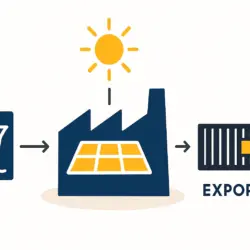
Bhutan Solar Power Shift: A New Era in Energy Security
Bhutan is making a significant shift toward solar power, diversifying its energy sources to bolster national energy security. This transition is especially crucial during the dry winter months when the country’s hydropower resources diminish. By installing solar plants in its western regions, Bhutan is building a robust backup system to ensure a steady energy supply year-round.
Bhutan Solar Power Strategy for Energy Independence
This shift to solar power isn’t just about meeting immediate energy needs; it’s a strategic move aligned with Bhutan’s long-term sustainable development goals. Embracing solar energy allows Bhutan to reduce its reliance on hydropower, which, though clean, is vulnerable to seasonal fluctuations. This diversification is essential for creating a resilient energy infrastructure capable of withstanding climate changes and other potential disruptions.
Bhutan’s Solar Push in a Global Context
Bhutan’s move toward solar energy mirrors a broader global trend of countries investing more in renewable solutions. For instance, SolarBank Corporation is actively expanding solar projects across North America, including a 6.9 MW installation in Brooklyn, Nova Scotia, Canada[1]. Projects like these highlight the scalability and potential of solar power to meet large-scale energy demands sustainably.
Bhutan Solar Power and Its Role in Sustainable Development
Adopting solar energy underscores Bhutan’s commitment to sustainable development. This clean, renewable power source supports the country’s goal of maintaining its carbon-negative status. By reducing its dependence on imported energy and bolstering energy security, Bhutan sets a powerful example for other nations working toward similar sustainability goals.
Building a Resilient and Sustainable Energy Future
Bhutan’s shift to solar power represents a forward-thinking approach to both energy security and environmental stewardship. By harnessing the power of the sun, the country is securing its energy future while contributing to global efforts to combat climate change. This transition highlights just how critical renewable energy is to building a sustainable and resilient future.
For more insight on how solar energy is being utilized globally, consider initiatives like Rwanda’s Solar Schools Initiative, which aims to electrify 1,000 schools by 2025[2]. These projects demonstrate the transformative impact of solar power on communities worldwide.
[1] SolarBank Developing 6.9 MW Solar Project in Brooklyn, Nova Scotia, Canada
[2] Rwanda Solar Schools Initiative: Electrifying 1000 Schools by 2025