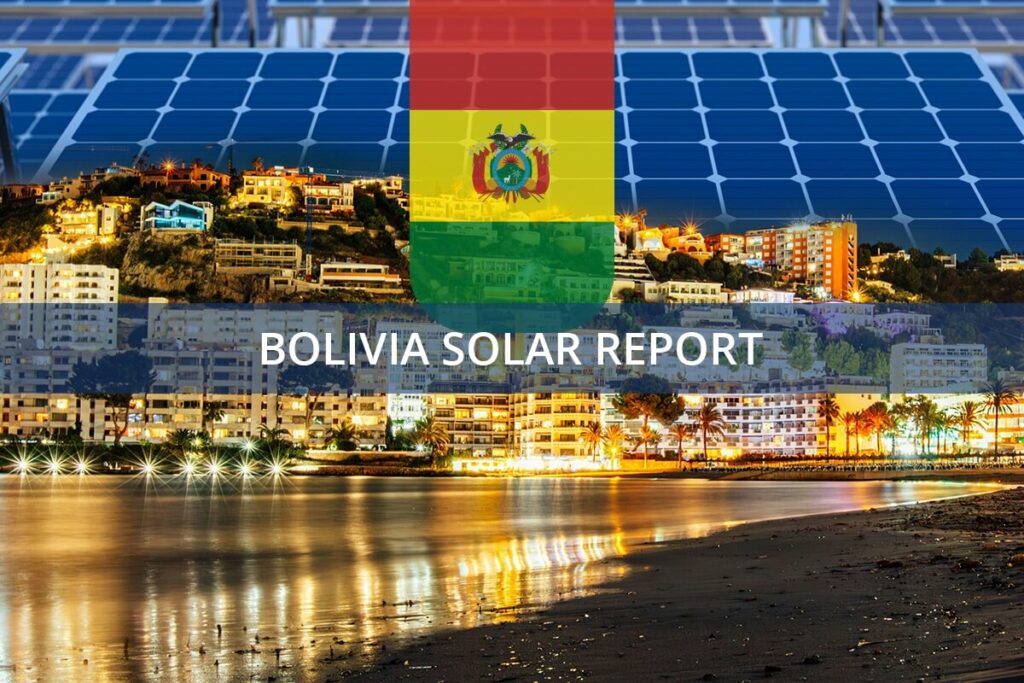
ENDE Announces 50 MW Bolivia solar plant in Oruro
Bolivia is taking a significant step towards a cleaner energy future. On March 6, 2026, the state-owned electricity company, Empresa Nacional de Electricidad (ENDE), officially announced its plan to construct a new 50-megawatt (MW) solar photovoltaic plant in the department of Oruro. This ambitious project, set in the sun-drenched Bolivian Altiplano, marks a crucial move in the nation’s strategy to diversify its energy mix and enhance sustainability.
Project Highlights and Key Details for the Bolivia solar plant
The new solar facility is poised to become a cornerstone of Bolivia’s renewable energy infrastructure. With construction scheduled to begin in late 2026 and operations expected to launch by 2028, the project carries significant promise for the region.
- Capacity: The plant will have a capacity of 50 MW, sufficient to supply clean energy to an estimated 50,000 to 70,000 households, based on average Bolivian consumption rates.
- Strategic Location: Oruro was selected for its exceptional solar potential. According to data from Bolivia’s National Institute of Meteorology and Hydrology (SENAMHI), the region benefits from high-altitude conditions and an annual solar irradiation of approximately 5.5 to 6 kWh/m² per day. This is further supported by reports from the International Renewable Energy Agency (IRENA), which note Oruro’s Global Horizontal Irradiance (GHI) exceeds 2,000 kWh/m² per year, making it an ideal location for solar generation.
- Investment and Funding: The project represents an estimated investment of $50 to $60 million USD. Funding is expected to come from ENDE’s own budget, potentially supplemented by international loans from development banks like the CAF or IDB.
- Technology: The plant will utilize modern, ground-mounted photovoltaic panels equipped with single-axis trackers. This technology allows the panels to follow the sun’s path throughout the day, maximizing energy output. The generated electricity will be integrated into Bolivia’s national grid through a newly constructed substation.
A Strategic Move for Bolivia’s Energy Security with the Bolivia solar plant
This 50 MW solar plant is more than just an infrastructure project; it’s a strategic component of Bolivia’s 2025–2030 Energy Plan, which aims to add 1,000 MW of new solar and wind capacity by 2030. The initiative directly addresses the country’s heavy reliance on natural gas, which, according to ENDE statistics from 2025, accounts for 85% of its electricity generation.
By diversifying its energy sources, Bolivia aims to increase its energy sovereignty, reduce dependence on fossil fuels, and mitigate the risk of blackouts. Furthermore, the project aligns with national goals established under Law 248, which targets a 30% share for renewables in the energy mix by 2030. The environmental benefits are substantial, with the plant projected to reduce CO₂ emissions by approximately 50,000 tons annually.
Building on a Foundation of Renewable Growth with the Bolivia solar plant
The Oruro solar plant is not an isolated effort. It builds upon a series of successful renewable energy projects undertaken by ENDE. This includes a 5 MW pilot solar project in Oruro completed in 2023 and a 20 MW solar addition in Potosí in 2025. These initiatives have provided a solid precedent and valuable experience, paving the way for larger-scale developments.
The official announcement was disseminated through ENDE’s press channels and Bolivian state media, including ABI. As of now, no contradictory reports have appeared in major local outlets such as La Razón or El Deber, confirming the project’s forward momentum.
As Bolivia continues to harness its immense solar potential, this 50 MW plant in Oruro stands as a powerful symbol of progress. It promises not only to deliver clean and reliable electricity but also to drive economic development and environmental stewardship for years to come.
For the latest information on the project’s development, stakeholders and interested parties are encouraged to follow official updates from ENDE via their website at ende.gob.bo and from Bolivia’s Ministry of Hydrocarbons and Energies.