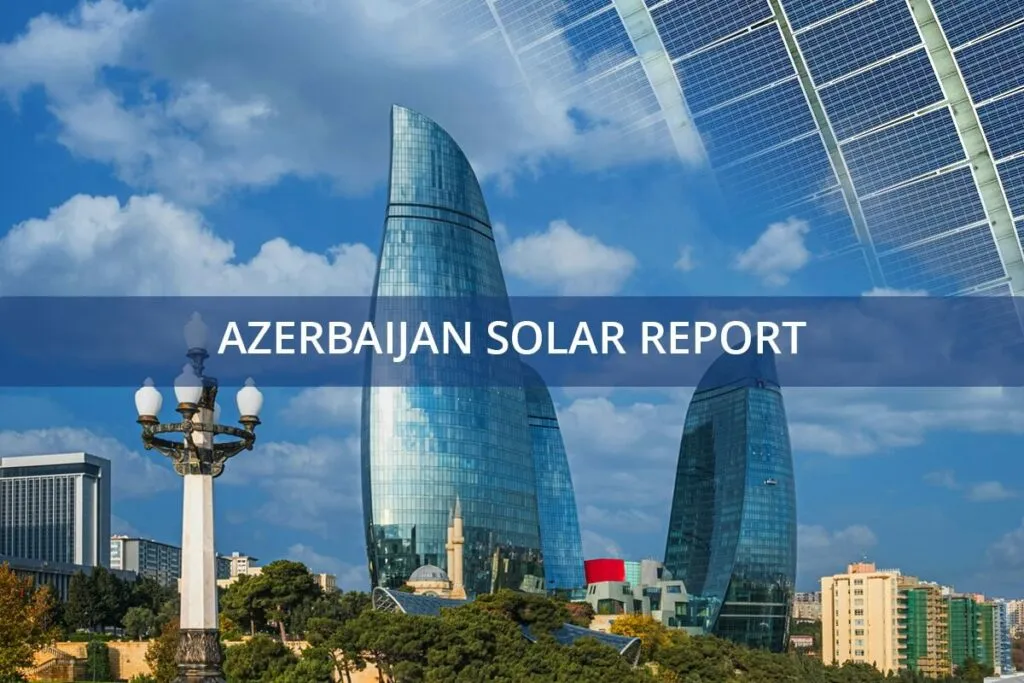
Just fifty days before Azerbaijan hosts the 29th Conference of the Parties to the UN Framework Convention on Climate Change (COP29), BP has announced plans to build a new solar power plant in the country’s Jabrayil Region. The news was shared by Elnur Soltanov, Azerbaijan’s Deputy Energy Minister and Director-General of COP29, during the opening of a summer energy school at ADA University.
Azerbaijan’s Commitment to Green Energy
Though traditionally known as an oil and gas producer and a reliable partner in global energy security, Azerbaijan is now shifting its focus toward green energy projects. “We take seriously our intention to implement ‘green’ projects, both at sea and in the liberated territories, on land, specifically in Absheron,” Soltanov stated. This shift reflects a broader global trend and signals Azerbaijan’s ambition to become a leader in the renewable energy sector.

BP solar power plant in Jabrayil
Azerbaijan is rich in green energy resources, particularly solar and hydroelectric potential. To support these liberated lands and neighboring regions, several hydroelectric power plants are already planned for Karabakh and Eastern Zangezur. The BP solar power plant in Jabrayil is another crucial component of the country’s green energy roadmap. According to Soltanov, the project is set to launch this year, adding momentum to Azerbaijan’s renewable energy initiatives just ahead of COP29.
Significance of COP29 in Azerbaijan
In November, Azerbaijan’s capital, Baku, will host COP29, an event expected to attract 70,000 to 80,000 participants from around the globe. Hosting the conference underscores the country’s growing influence in the global fight against climate change. The decision to hold COP29 in Azerbaijan—made during the previous year’s summit in Dubai—further highlights its commitment to addressing critical climate issues.
The UN Framework Convention on Climate Change, signed in 1992, aims to prevent “dangerous anthropogenic interference with the climate system.” Since the first meeting in Berlin in 1995, the annual COP gatherings have brought together global leaders to develop strategies for mitigating climate change. For Azerbaijan, hosting COP29 is a unique platform to showcase its renewable energy initiatives and its leadership in the global energy transition.
Economic and Environmental Impact
The BP solar power plant in Jabrayil is expected to have a significant positive impact on both the economy and the environment. By transitioning to solar energy, Azerbaijan can reduce its reliance on fossil fuels and lower its greenhouse gas emissions, contributing to global efforts against the climate crisis. The project will also create new jobs and support economic growth, strengthening the country’s role in the renewable energy market.
Azerbaijan plans to expand its green energy initiatives well beyond the Jabrayil solar power plant. Its success could open the door to more ambitious endeavors, potentially involving international partners. With its strategic location and abundant natural resources, Azerbaijan has the potential to become a hub for solar and wind energy, which would allow it to play a central role in the global clean energy market.
When world leaders gather in Baku for COP29, Azerbaijan will have a prime opportunity to demonstrate its capabilities as a leader in renewable energy. By aligning with international targets and showcasing its commitment to green projects, the country is not only contributing to global climate goals but also preparing for future green energy developments across the region.