Cisco Invests in Polish Solar Farms to Cut Costs
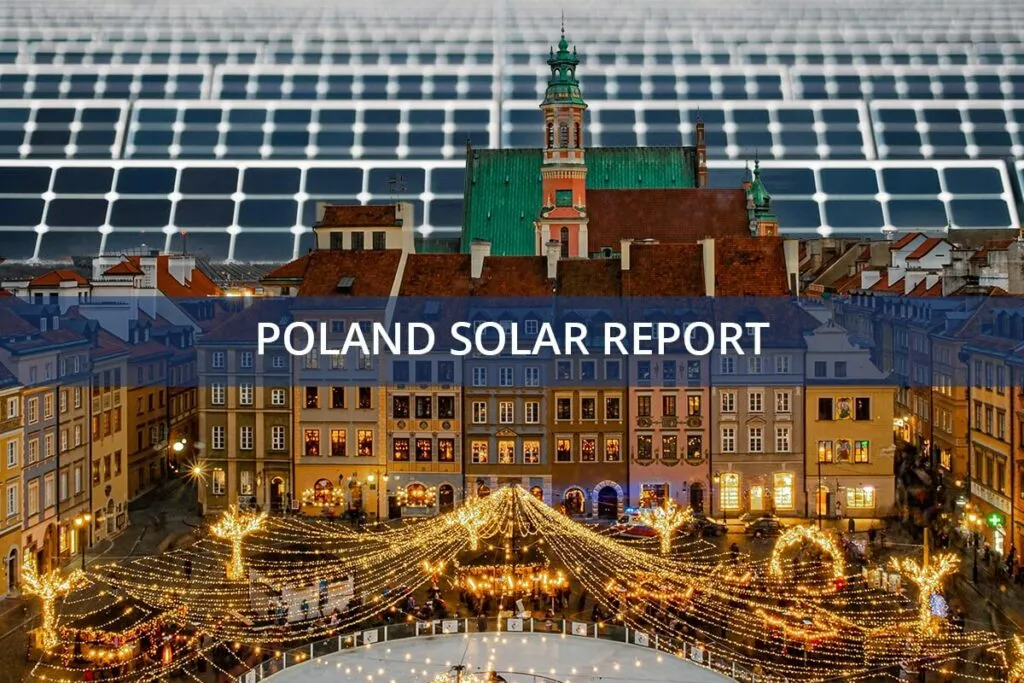
In the race to power the next generation of technology, particularly the insatiable demands of artificial intelligence, tech giants are increasingly looking beyond traditional energy sources. The conversation has shifted towards sustainable, cost-effective solutions, leading to headlines suggesting major players are making significant moves into renewable energy. One such claim gaining attention is that Cisco is investing in Polish solar farms as a strategic measure to cut operational costs.
But as we peel back the layers of this development, it’s crucial to separate strategic industry trends from confirmed corporate actions.
The Unyielding Energy Demands of AI and Cisco solar investment
The explosion of AI has created an unprecedented demand for data processing power, which in turn requires a colossal amount of energy. According to a report from TechTarget, the industry is questioning if even a $5 trillion investment in AI infrastructure will be sufficient to meet future needs. This massive build-out has a direct impact on the energy grid and the bottom line.
For companies operating in Europe, this challenge is particularly acute. A Euronews report highlights that over 1,000 executives have expressed deep concern about the continent’s AI infrastructure readiness. The core issues are the availability of reliable, affordable energy and the capacity of existing power grids to handle the surge. The high cost of energy and grid limitations are forcing some firms to consider relocating operations to regions with more favorable power situations.
This context makes the prospect of a company like Cisco investing in dedicated renewable energy sources, such as solar farms, a logical and forward-thinking strategy. It aligns perfectly with the dual goals of ensuring a stable power supply for energy-intensive operations and managing volatile energy costs.
Investigating the Polish Solar Farm Connection and Cisco solar investment
While the strategic rationale is sound, current information does not substantiate the specific claim that Cisco has invested in Polish solar farms. A review of recent reports and company news through February 2026 reveals no verified announcements or confirmations of such a project.
Instead, Cisco’s recent focus appears to be directed squarely at the core of the AI revolution. Publicly available information points to advancements in AI-specific infrastructure, new networking chips, and other IT solutions designed to power the technological boom across Europe. The company is clearly invested in the European market, but its current, verifiable activities are centered on technology and network infrastructure rather than direct energy generation projects in Poland.
The Bigger Picture: A Strategy in Motion with Cisco solar investment
The lack of a specific confirmation regarding Polish solar farms does not diminish the underlying trend. The need for tech companies to secure their energy future is a dominant theme in the industry. As data centers and AI clusters multiply, direct investment in renewable energy through Power Purchase Agreements (PPAs) or direct ownership of assets like solar and wind farms is becoming an increasingly common strategy.
This approach offers several key advantages:
* Cost Stability: Long-term agreements lock in electricity prices, protecting companies from market volatility.
* Sustainability Goals: It allows corporations to meet ambitious environmental, social, and governance (ESG) targets.
* Energy Security: It provides a dedicated and reliable power source, reducing dependence on strained public grids.
While the story of a Cisco-backed solar project in Poland remains unconfirmed for now, it represents a strategy that we will undoubtedly see more of in the near future. The fundamental pressures of high energy costs and the massive power requirements of AI are forcing every major tech player to rethink their energy procurement strategy. Whether it’s Cisco or its competitors, the move to directly fund and develop renewable energy sources is not a matter of if, but when and where.