Cyprus Eases Rules for Solar Battery Storage: Addressing Energy Waste Concerns in Cyprus solar battery storage
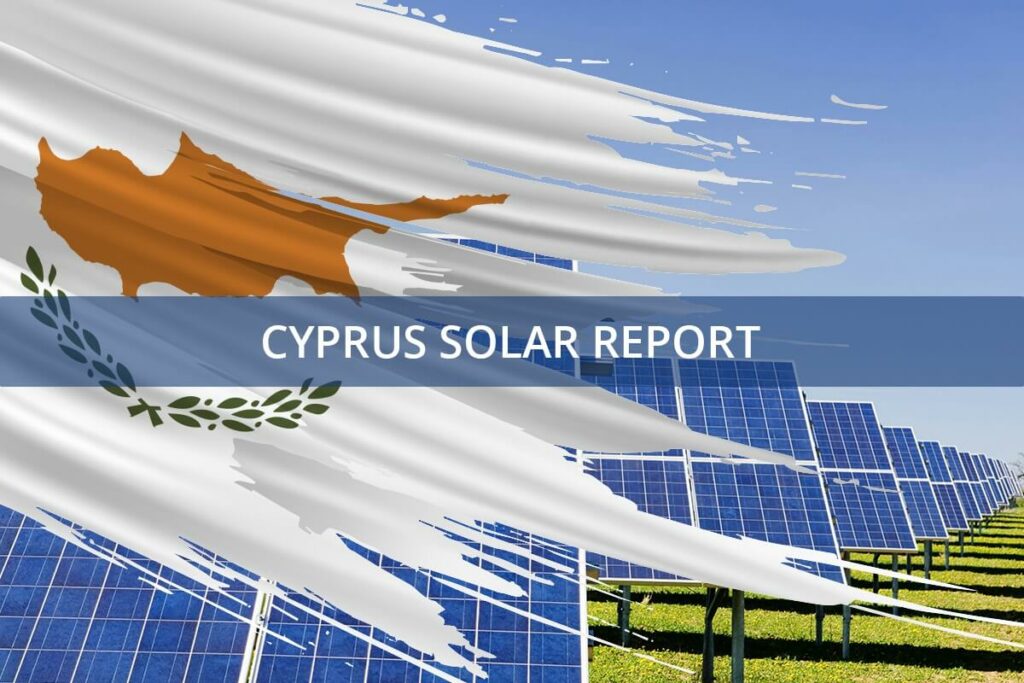
Cyprus is a land blessed with abundant sunshine, a key resource in the global transition to renewable energy. However, a significant challenge has emerged: the island has been wasting nearly half of the solar energy it produces. In a critical move to address this issue, Cyprus has, since January 2026, eased regulations to allow solar park operators to install battery storage systems, signaling a pivotal step towards a more efficient and resilient green energy grid.
This policy change directly targets the problem of energy curtailment—a situation where more electricity is generated than the grid can handle, forcing operators to shut down production. For Cyprus, where the rapid growth of solar installations has outpaced grid capacity, this has meant lost energy and significant financial losses for producers, often amounting to hundreds of thousands of euros annually.
The Scale of the Energy Waste Problem: Why Cyprus solar battery storage is Needed
The issue of wasted solar power is not just an operational headache; it has broader implications for Cyprus’s national energy goals. According to a 2026 report from the Cyprus Mail, the nation’s inability to capture its full solar potential has contributed to its ranking among the European Union’s lowest performers in renewable electricity generation. In 2025, Cyprus recorded the fifth-lowest share of electricity from renewable sources in the EU, a stark contrast to the bloc’s average.
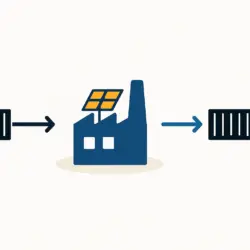
This underperformance highlights a critical infrastructure gap. While solar panels are generating clean power during peak sunlight hours, the grid’s inability to absorb it all leads to immense waste. Battery Energy Storage Systems (BESS) offer a direct solution by enabling developers to store this excess solar energy and deliver it later when demand is higher or the sun isn’t shining, thereby supporting grid stability and improving project economics.
New Rules: A Welcome First Step for Cyprus solar battery storage
The new framework allowing operators to co-locate battery storage with existing solar plants is a much-needed intervention. Several operators have already moved to order battery equipment, with the first installations expected to come online later in 2026. This will allow them to finally recover the curtailed energy, turning a significant loss into a valuable asset.
However, experts in the field note that while this is a major step forward, the current regulations are incomplete when compared to more mature BESS markets in countries like Germany, Spain, and Greece.
Current Limitations and Future Opportunities for Cyprus solar battery storage
The new Cypriot framework comes with several key limitations that prevent the full potential of battery storage from being realized:
- Charging Restrictions: Co-located battery systems are currently only permitted to charge from their adjacent solar panels, not from the grid. This prevents them from participating in energy arbitrage—buying surplus power from the grid when it’s cheap and selling it back during peak hours when it’s expensive.
- Outdated Technical Rules: The rules do not yet permit software-based power limiting, a cost-effective and standard practice across the EU for managing energy flow.
- Underutilized Technology: Many modern solar installations come equipped with advanced grid-forming inverters that can help stabilize grid voltage and frequency. However, without regulatory approval, this crucial capability remains unused.
According to energy experts, for Cyprus to truly join Europe’s advanced BESS cycle and enable further expansion of clean energy, these regulatory hurdles must be addressed. Full market access for storage systems would create a dynamic “storage ecosystem.” This would allow batteries to not only store excess energy but also participate as active buyers and sellers in the energy market and provide essential stability services to the grid.
The path forward is clear. The decision to allow battery storage is a crucial and commendable first step. The next will be to refine the regulatory framework to unlock the full suite of services these systems can provide. By doing so, Cyprus can transform its problem of wasted sunshine into a powerful asset, enhancing its energy independence, strengthening its grid, and securing its place in Europe’s renewable energy future.