Cyprus Boosts Solar Capacity to 957 MW in 2026
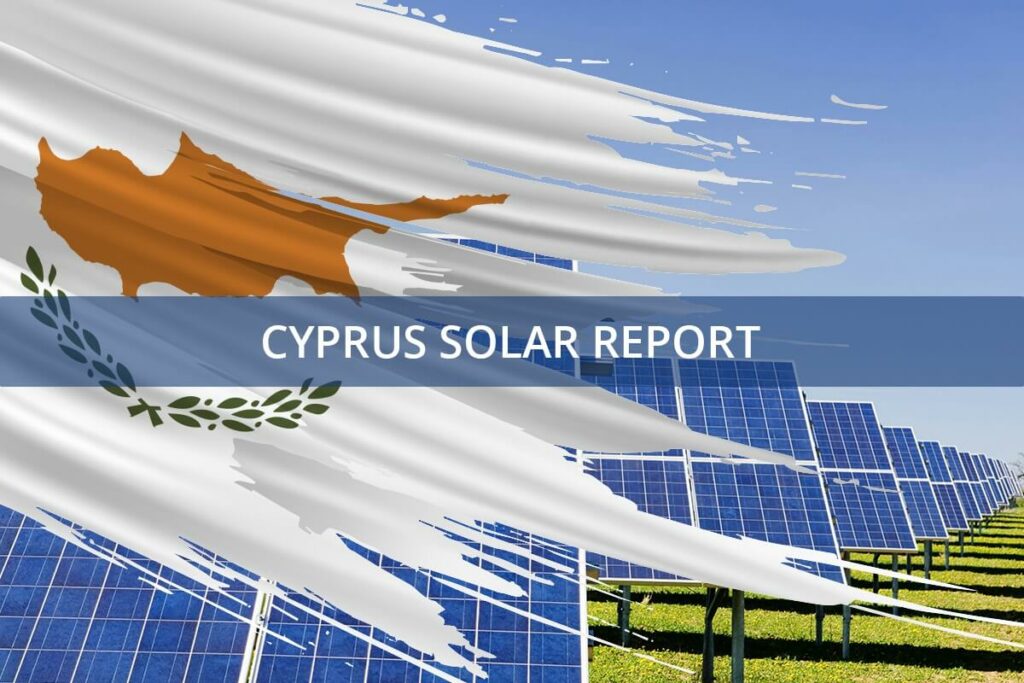
Cyprus is making a monumental leap in its renewable energy journey, positioning itself as one of Europe’s fastest-growing solar markets. In a significant move towards a sustainable future, the island nation is projected to add a staggering 957 MW of new solar capacity in 2026. This ambitious expansion underscores a determined effort to harness the power of the sun and reshape the country’s energy landscape.
A Quantum Leap in Cyprus solar capacity
The scale of Cyprus’s solar ambition becomes clear when looking at the year-over-year growth. In 2025, the island added a respectable 122 MW of new solar capacity. However, the projected increase to 957 MW in 2026 represents an explosive acceleration of its green energy transition.
This massive boost is expected to allow solar power to account for 20-22% of the island’s total electricity generation in 2026. This shift not only reduces reliance on traditional fossil fuels but also moves Cyprus closer to its climate goals, driven by a combination of strategic government policies and growing public adoption.
The Policies Powering the Progress
This remarkable growth is not accidental. It is the direct result of proactive government incentives designed to accelerate the shift towards renewables. Key measures include:
- Subsidies for Solar-Plus-Battery Systems: Financial support for integrated systems encourages households to not only generate their own power but also to store it, enhancing grid stability and energy independence.
- Support for Self-Consumption Models: Policies are in place to make it more attractive for consumers to produce and use their own solar energy, effectively turning homes and businesses into small-scale power plants.
These reforms have been instrumental in empowering households to take control of their energy supply and contribute directly to the nation’s renewable targets.
A Diversified and Stable Energy Future
Cyprus’s energy strategy extends beyond solar panels. The expansion is complemented by other critical infrastructure projects aimed at creating a more resilient and cost-effective energy system.
The development of the Vasilikos LNG terminal is a pivotal part of this plan. By transitioning from heavy fuel oil, the terminal is expected to significantly cut fuel costs, lower harmful emissions, and bring much-needed stability to electricity prices. Optimistic scenarios suggest that the combination of LNG adoption, solar expansion, and stable global fuel prices could see electricity rates stabilize in the range of 22–25 euro cents per kilowatt-hour.
While solar energy leads the charge, wind power remains a stable secondary source, contributing 157 MW of total capacity from various wind farms across the island.
Overcoming the Hurdles
The path to a fully renewable future is not without its challenges. The rapid expansion brings certain economic considerations to the forefront. These include potentially lower financial returns for some installations, the high upfront cost of solar batteries, and consequently, extended periods for return on investment. Addressing these economic factors will be crucial for maintaining the momentum of this green transition.
As Cyprus forges ahead with its impressive solar expansion, it sets a powerful example for the region. The commitment to adding 957 MW of solar capacity in 2026 is a clear declaration of its intent to build a cleaner, more sustainable, and energy-independent future.