Djibouti Aims for Full Electrification by 2035 with Solar and Wind Power
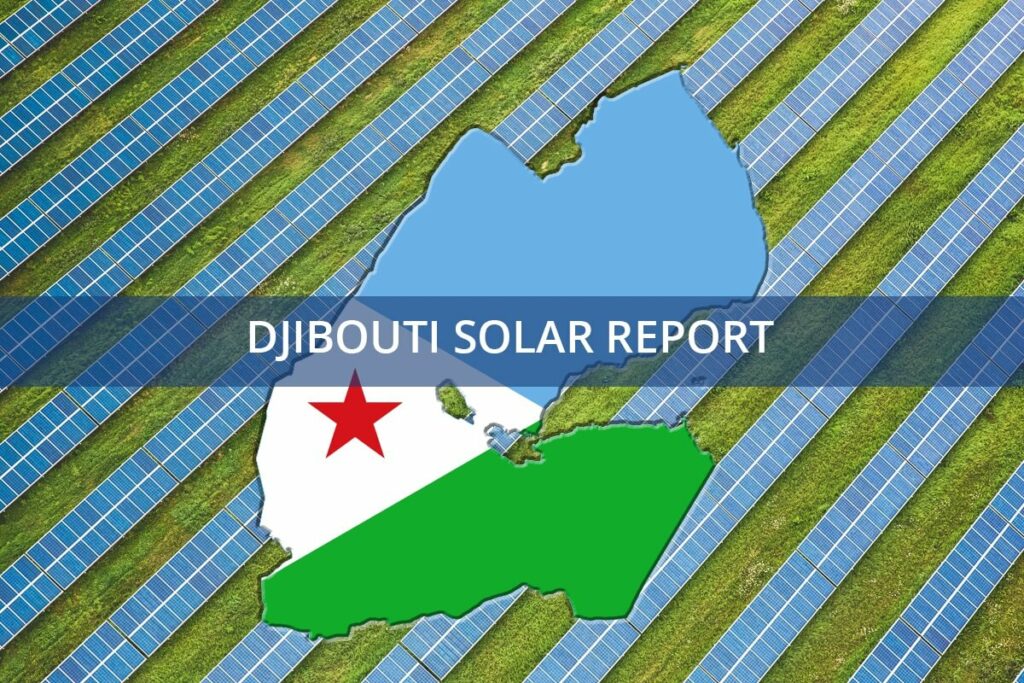
In a bold move that positions it as a potential green energy leader in the Horn of Africa, Djibouti has set an ambitious national goal: to achieve 100% electrification for its entire population by 2035. This transformative objective is not just about extending the grid; it’s about fundamentally reshaping the nation’s energy landscape by harnessing the immense power of its most abundant natural resources—the sun and the wind.
The Vision for Djibouti Renewable Energy
At the heart of this initiative is Djibouti’s “Vision 2035,” a comprehensive development plan aimed at diversifying the economy and improving the quality of life for its citizens. A critical pillar of this vision is the energy transition. Currently, with an electrification rate of approximately 55%, a significant portion of the population remains without reliable access to electricity. The government’s strategy is to close this gap entirely over the next decade, moving towards a future powered by 100% renewable electricity generation.
This shift is a strategic imperative, designed to reduce reliance on imported fossil fuels, enhance energy security, and drive sustainable economic growth beyond the country’s traditional focus on ports and logistics.
Tapping into Natural Abundance for Djibouti Renewable Energy
Djibouti is geographically blessed with exceptional renewable energy potential, making its 2035 goal not just aspirational but achievable.
- Solar Power: The country enjoys intense and consistent sunlight, with a solar irradiance of over 3,000 kWh per square meter annually. This makes it one of the most suitable locations on the planet for large-scale solar power generation.
- Wind Power: Djibouti’s coastal and highland areas experience strong and reliable winds, providing another powerful, clean energy source to complement its solar capacity.
By focusing on these two pillars, Djibouti is building a resilient and sustainable energy matrix capable of meeting its future demands.
Flagship Projects Leading the Djibouti Renewable Energy Charge
The journey to 2035 is already underway, marked by several key infrastructure projects that serve as cornerstones of the national energy strategy.
The Grand Bara solar plant is a monumental step forward. Becoming operational in 2023, this facility boasts a 140 MW capacity, significantly increasing the country’s renewable energy output. It stands as a clear testament to Djibouti’s commitment to leveraging its solar advantage.
In the wind sector, expansions at the Hanlé wind farm are set to add another 60 MW to the grid, capturing the kinetic energy of the region’s powerful winds. While solar and wind form the core of the rapid scaling strategy, Djibouti is also exploring its geothermal potential with developments at Fogo, further diversifying its clean energy portfolio.
International Partnerships and Future Hurdles for Djibouti Renewable Energy
Executing a vision of this magnitude requires substantial investment and technical expertise. Djibouti is actively collaborating with international partners, including the World Bank and the European Union, to secure the necessary funding and support for these capital-intensive projects.
However, the path to full electrification is not without its challenges. The success of the Vision 2035 energy plan hinges on sustained financing and, critically, the development of a modern grid infrastructure capable of managing and distributing the new influx of renewable power. Upgrading transmission and distribution networks will be just as important as building new generation capacity.
By setting a clear, ambitious target and leveraging its natural wealth, Djibouti is not just lighting up homes and businesses; it is charting a course for a sustainable, energy-independent, and economically vibrant future.