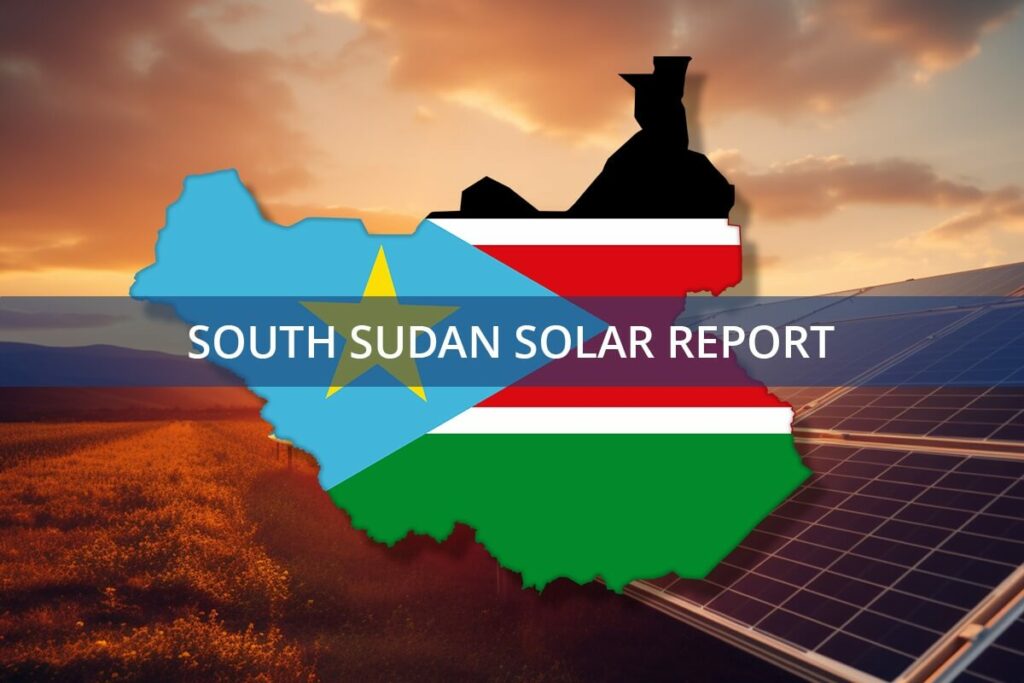
Concern Worldwide has installed solar water systems in Rubkona County to provide clean drinking water and curb a cholera outbreak spreading due to poor sanitation and flooding. These systems—funded by UNICEF—include solar-powered pumps, storage tanks, and taps, benefiting nearly 32,000 people.
Curbing Cholera in South Sudan Amid Major Outbreak
A severe cholera outbreak has gripped South Sudan, causing over 465 deaths since October. The crisis started near the Sudan border, where conflict has worsened an existing cholera epidemic. Because cholera spreads through contaminated water, access to safe drinking water is essential for prevention.
In response, Concern Worldwide has built new solar water systems to supply clean drinking water and help curb the spread of the disease. With funding from UNICEF, the humanitarian group has installed two solar water systems in Rubkona County.
These systems include wells, solar-powered pumps with backup batteries, elevated storage tanks, taps, and drainage. The organisation also repaired four additional water pump stations, now serving almost 32,000 people.
Before these interventions, many residents relied on stagnant water sources. Nyagai Mut Bilroal, a local community leader, described the dire situation. “Life was very difficult because everyone was getting dirty water, but because of this new water system, our lives have improved,” she said.
Concern’s programme manager, Khurshid Wisal, led the construction of these water systems. He explained that boreholes were drilled 115 metres (377 feet) underground to access safe water. Engineers worked with local authorities to ensure the site was not contaminated by hydrocarbons, as the region is rich in oil.
Continuous water quality testing is essential to maintain safety. Wisal emphasised that safe water is vital for preventing outbreaks and improving health, adding that Concern hopes to secure further funding to build more solar water systems in affected areas.
Cholera’s Spread Across South Sudan
On October 28, 2024, South Sudan’s Ministry of Health declared a cholera outbreak in Renk, Upper Nile State. The first suspected case appeared in late September when a person with cholera-like symptoms was identified at the Sudan border.
Sudan has faced a cholera outbreak for over a year, reporting 37,514 cases by November 19, 2024. Renk, the main entry point for displaced persons, became a hotspot as refugees, returnees, and local communities struggled with unsafe water.
Beyond cross-border transmission, multiple factors have fuelled the outbreak. Access to WASH (Water, Sanitation, and Hygiene) services is low across South Sudan. Only 41% of the population has basic drinking water, while just 16% have proper sanitation.
Recent floods have worsened the crisis, affecting over a million people and forcing many to flee their homes. In Renk, flooding has overwhelmed the already weak sanitation infrastructure, complicating disease control.
By November 20, 2024, South Sudan had recorded 550 suspected cholera cases. The hardest-hit areas include Malakal, Renk, and the capital, Juba. Malakal, located 300 km south of Renk, has seen the highest caseload, followed by Juba. Authorities are working to contain the outbreak before it spreads further.
Solar Water Systems: A Lifeline for Health and Stability
Concern Worldwide has been active in South Sudan since the country’s formation in 2011. The organisation has responded to crises caused by war, displacement, and natural disasters, including severe flooding from heavy rains last year that affected 1.4 million people.
The installation of solar water systems in Rubkona County has brought hope to communities struggling with unsafe water. These systems provide clean, reliable drinking water, reducing cholera risks and improving daily life.
However, the need for more such initiatives remains urgent. Wisal and his team hope to expand their efforts should they receive additional funding. More solar-powered water systems could help contain the outbreak and support South Sudan’s long-term recovery.
As South Sudan battles cholera, food shortages, and displacement, clean water remains essential for protecting lives. The success of solar water systems in Rubkona County highlights the importance of sustainable water solutions in crisis-hit regions.