Private Investment Highlights Equatorial Guinea solar plant: Impressive 36.6 MW Boost
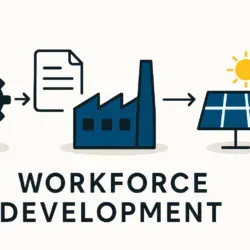
As private investment continues to reshape the energy landscape across Sub-Saharan Africa, Equatorial Guinea has unveiled a landmark project that underscores this transformative trend. The nation has successfully completed a new 36.6-megawatt (MW) solar plant, a significant development designed to enhance the stability of its power supply and advance its energy diversification goals.
A New Model for Infrastructure Development
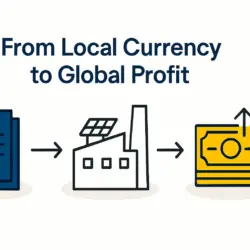
The project stands as a testament to the power of direct bilateral partnerships in fast-tracking clean energy infrastructure. Financing was secured through the Dubai-based firm Inma Emirates Holdings, led by chairman Sheikh Ahmed Dalmook Al Maktoum. This approach, where private capital directly addresses critical infrastructure needs, offers a potent alternative to traditional financing mechanisms, often reducing project timelines and fostering greater innovation. By directly investing in and developing essential energy projects, firms like Inma Emirates are not only pursuing viable ventures but also making substantial contributions to the sustainable development of host nations.
This successful model is not unique to Equatorial Guinea. Similar private-sector-led initiatives in countries such as Ghana are demonstrating how targeted investment can effectively resolve energy deficits. The completion of the 36.6 MW facility provides a powerful blueprint for how strategic partnerships can deliver reliable, clean power where it is most needed.
Part of a Continental Surge in Clean Energy
The new solar plant is a key component of a broader movement towards renewable energy across the continent. Recent reports confirm that private investment has become a primary driver of the clean energy transition in the region, a shift also reflected in the record-level imports of solar panels into Africa. This influx of capital and technology is paving the way for a more sustainable and energy-secure future, enabling nations to reduce their dependence on fossil fuels while expanding electricity access for citizens and industries alike.