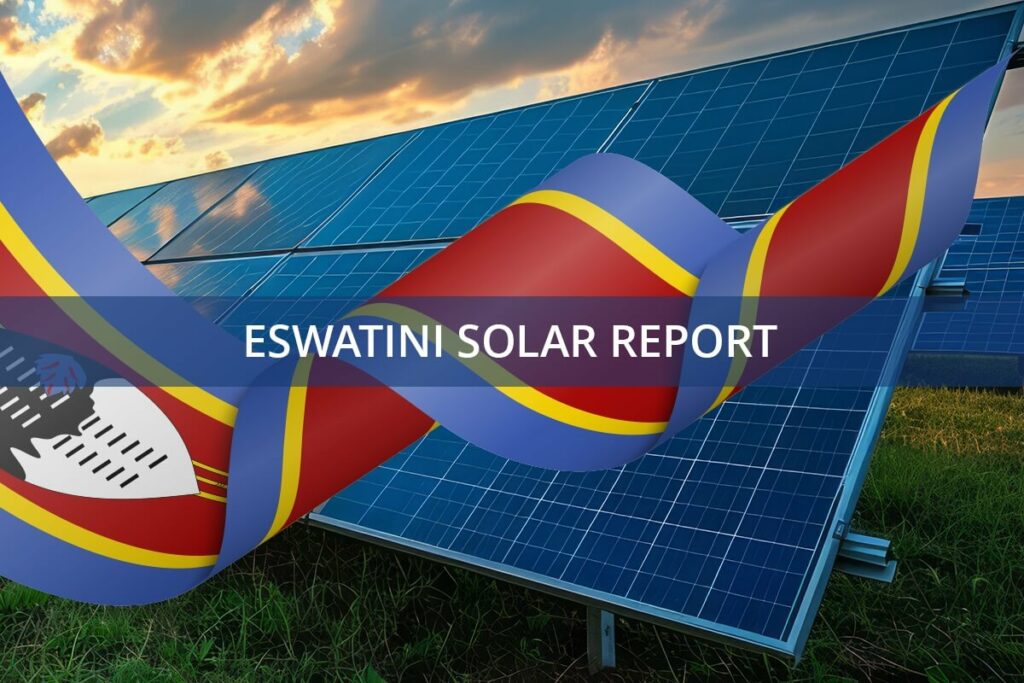
Eswatini Partners for Rooftop Eswatini Solar Panels Rollout
The Kingdom of Eswatini is poised to take a significant step forward in its renewable energy journey, with emerging reports of a partnership with a Chinese firm to spearhead a nationwide rooftop solar panel initiative. While official details of the specific agreement and the entities involved remain forthcoming, such a collaboration signals a strategic move towards enhancing energy security, promoting sustainability, and diversifying the nation’s power sources.
This development aligns with a broader trend across Southern Africa, where nations are increasingly turning to decentralized solar solutions to address energy deficits and reduce reliance on traditional power grids and imported electricity. For Eswatini, a comprehensive rooftop solar program could offer a multitude of benefits.
The Push for Energy Independence with Eswatini Solar Panels
A large-scale rollout of rooftop solar panels directly empowers citizens and businesses, transforming them from passive energy consumers into active producers. This decentralization can bolster the resilience of the national grid, reducing the strain on central power infrastructure and minimizing the impact of potential outages. By harnessing its abundant solar resources, Eswatini can decrease its dependence on energy imports, leading to greater economic stability and energy independence.
Economic and Environmental Implications of Eswatini Solar Panels
The potential partnership represents a significant investment in Eswatini’s green economy. The installation and maintenance of thousands of solar systems would create new jobs, foster local technical expertise, and stimulate economic activity. Environmentally, embracing solar power is a crucial step in reducing the country’s carbon footprint and meeting international climate change commitments. Shifting to clean energy sources helps mitigate the effects of climate change, an issue of critical importance for the region.
A Strategic Partnership for Eswatini Solar Panels
Collaborations with experienced international firms are often vital for implementing ambitious, technology-driven projects. Chinese companies have become global leaders in photovoltaic (PV) manufacturing and project deployment, bringing advanced technology, economies of scale, and extensive experience in renewable energy projects across Africa. A partnership would facilitate the transfer of technology and knowledge, ensuring the long-term success and sustainability of the solar rollout.
As the energy landscape continues to evolve, strategic initiatives like this are fundamental. Observers and stakeholders will be keenly awaiting further official announcements to understand the full scope, timeline, and targets of this promising venture. If realized, this rooftop solar program could become a cornerstone of Eswatini’s sustainable development goals and a model for renewable energy adoption in the region.