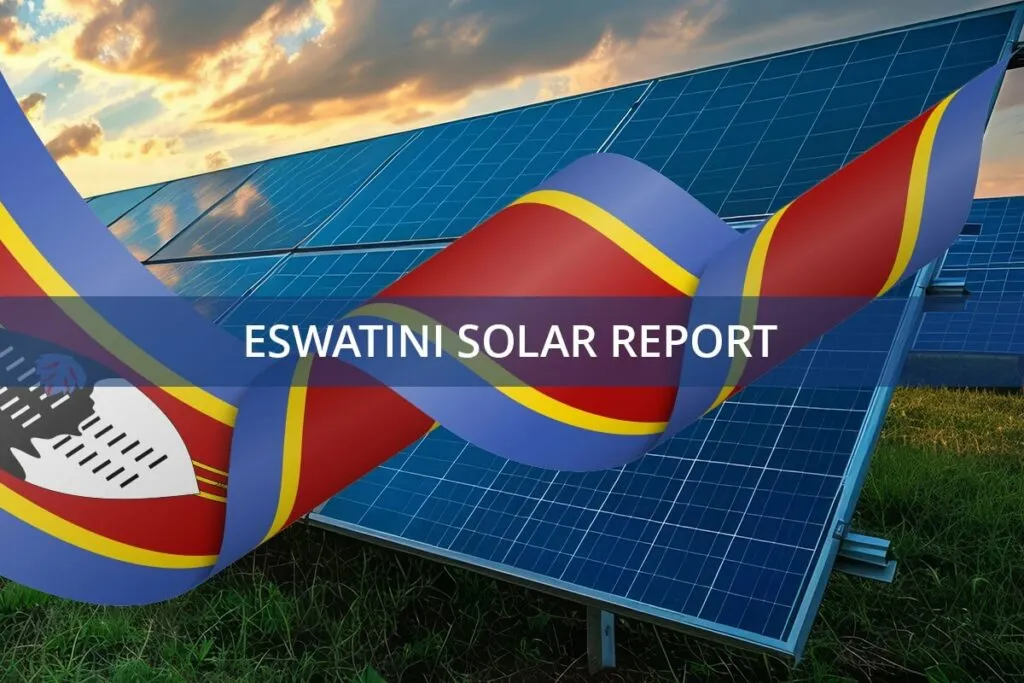
Eswatini has officially inaugurated the Anthem Tsamela Solar Project, its largest solar power initiative to date, designed to significantly increase the country’s renewable energy capacity and address its persistent energy deficit. The launch, attended by key stakeholders including Minister HRH Prince Lonkhokhela, marks a pivotal moment in the nation’s journey toward a sustainable energy future.
Tsamela Solar Project: An Eswatini Solar Project Milestone
The Anthem Tsamela Solar Project, strategically located in the Tsamela area near Tshaneni, is a cornerstone of Eswatini’s renewable energy development. It is engineered to generate up to 100 megawatts (MW) of electricity, a substantial addition that will meaningfully diversify the country’s energy mix. This project is a powerful leap towards meeting the nation’s ambitious [Eswatini solar power: 100 MW Goal by 2025 is...](https://www.pvknowhow.com/news/eswatini-solar-power-100-mw-goal-by-2025-is-a-powerful-leap/).
Historically, Eswatini has been heavily reliant on electricity imports, struggling to meet its domestic energy demand. With nearly two-thirds of its electricity imported, the country has faced high costs and frequent power shortages. The Tsamela Solar Project is set to directly combat this dependency, enhancing energy security and providing a more stable power supply for both households and businesses.
Once fully operational, the solar power project is expected to generate clean electricity for approximately 30,000 households, critically reducing Eswatini’s reliance on expensive and volatile electricity imports.
Eswatini Solar Project: A Step Towards Energy Independence
The Tsamela Solar Project is a significant stride in [Eswatini's Drive for Energy Independence by 2025](https://www.pvknowhow.com/news/eswatini-energy-independence-reduce-imports-2025/). The project forms a key part of the government’s broader strategy to diversify national energy sources and drastically reduce its reliance on imported electricity. By generating its own clean energy, Eswatini can buffer itself against fluctuations in global energy prices, decrease energy imports, and bolster its overall energy security.
The project is also a powerful engine for local economic growth, creating essential jobs during its construction and operational phases. Understanding the [Basics of Manufacturing](https://www.pvknowhow.com/basics-of-solar-panel-manufacturing/) and the technology involved highlights the skilled opportunities being created. This will provide a stable and more affordable source of electricity that empowers businesses and improves the quality of life for households.
This initiative is a clear demonstration of Eswatini’s commitment to its renewable energy targets. The country has set ambitious goals to increase the share of renewables in its energy mix, and this project is a culmination of strategic planning, including tenders for [Eswatini solar energy](https://www.pvknowhow.com/news/eswatini-solar-energy-stunning-100-mw-power-push-by-2025-2/) capacity to be integrated into the national grid.
The project is expected to play a crucial role in achieving these targets, positioning Eswatini as an emerging leader in renewable energy within the southern African region. It stands as a testament to successful collaboration between the government of Eswatini and various stakeholders, including international donors and private sector partners, showcasing the power of public-private partnerships in driving a nation’s green energy transition.
Environmental and Economic Impact of the Eswatini Solar Project
The Tsamela Solar Project is poised to deliver a significant positive impact on Eswatini’s environment and economy. By harnessing clean energy from the sun, the project will help reduce greenhouse gas emissions, decrease air pollution, and substantially lower the country’s carbon footprint. The [Economic Impact of Eswatini Solar Power Expansion](https://www.pvknowhow.com/news/eswatini-solar-power-100-mw-by-2025-for-a-stunning-future/) cannot be overstated.
The project will stimulate the local economy by creating jobs in the renewable energy sector. These opportunities span the entire project lifecycle, from the initial construction phase—which involves a complex [Manufacturing Process](https://www.pvknowhow.com/solar-panel-manufacturing-process/) for its components—to long-term maintenance and operations. This provides much-needed employment for local communities and fuels sustainable economic growth.
Furthermore, the project will help Eswatini manage and reduce its energy costs. Generating electricity domestically allows the country to cut back on expensive imports and save crucial funds. A clear [Plant Cost Breakdown](https://www.pvknowhow.com/solar-panel-manufacturing-plant-cost-breakdown/) reveals the long-term value of such an investment. These savings will make electricity more affordable for consumers and free up public resources for other vital development projects.
The Anthem Tsamela Solar Project is more than an infrastructure development; it is a landmark achievement in Eswatini’s journey towards energy independence and sustainability. By embracing renewable energy, the country is taking a bold step towards building a cleaner, greener, and more prosperous future for its people.
To learn more about the intricacies of solar energy projects, consider exploring our [Free E-Course](https://www.pvknowhow.com/free-ecourse/) on solar panel manufacturing.