{
“headline”: “Georgia data center resistance: $17B project faces critical fight”,
“article_html”: ”
In the quiet landscapes of rural Georgia, a significant conflict is escalating over a proposed $17 billion hyperscale data center known as Project Sail. Spearheaded by industrial real estate developer Prologis, the massive project in Coweta County has ignited a storm of local opposition, placing it at the center of a growing national debate over the true cost of our digital infrastructure. The era of data centers being simple, ‘plug and play’ developments is over; they are now highly contested politically, and communities are demanding a say in their future.
\n\n
The Economic Trade-Off: Rate Hikes vs. Development
\n
While proponents champion the economic benefits of such multi-billion dollar investments, residents fear they will be left to pay the price through soaring electricity bills. Their concerns are not unfounded. Communities are looking to Augusta, Georgia, where a similar data center boom, fueled by state tax credits, led utility provider Georgia Power to secure a $1.8 billion rate increase for grid upgrades. This resulted in an average monthly bill increase of around $16 for residential customers. With analysts warning that unchecked data center growth could raise residential electricity costs by up to 45% by 2039 due to grid strain, the group “Citizens for Rural Coweta” is fighting to prevent a similar outcome, arguing the heavy industrial project is unsuitable for land zoned for rural conservation.
\n\n
A Statewide Political Battle
\n
The resistance in Coweta County reflects a broader political shift. Once welcomed with open arms, data centers now face significant scrutiny from lawmakers. Bipartisan efforts in the Georgia legislature have sought to roll back generous tax incentives, highlighting a growing recognition of the strain these facilities place on public resources. Similar legislative pushback is emerging in states like Ohio, Arizona, and Michigan, signaling that communities and their representatives are increasingly questioning whether the promised economic benefits of the AI and cloud computing boom outweigh the impacts on grid resilience, the environment, and household finances.
\n\n
Environmental Footprint and the Renewable Solution
\n
Beyond the economic impact, the environmental footprint of these power-hungry facilities is a primary source of opposition. The immense electricity consumption required to cool and operate data centers often relies on fossil fuels, contributing to carbon emissions and straining local water supplies. This has amplified calls for a pivot towards sustainable energy solutions.
\n
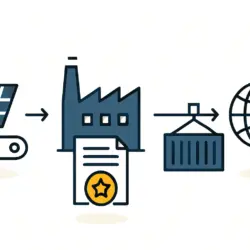
Harnessing renewable energy, particularly solar power, presents a compelling path forward. Advances in the solar panel manufacturing process have made large-scale solar farms a practical energy source for even the most demanding facilities. Understanding the fundamentals of solar production shows how clean energy can be directly integrated with data center development to mitigate their ecological impact and create a more sustainable digital backbone.
\n\n
Community Engagement and a Sustainable Future
\n
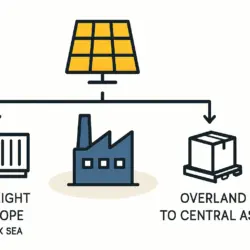
The fight in Georgia underscores a critical lesson: sustainable development requires more than just economic calculations. It demands genuine community engagement and a commitment to balancing technological progress with local well-being. Mandating the use of renewable energy is a vital step, involving a holistic approach that considers the entire supply chain—from the materials used in panels to the advanced machinery in factories.
\n
While the initial investment in solar infrastructure is significant, it is increasingly seen as a necessary cost for securing long-term environmental health and energy independence. As local groups like Citizens for Rural Coweta demonstrate, residents are no longer passive bystanders; they are active stakeholders demanding a transparent process and a sustainable vision. To power our digital future responsibly, industry leaders and policymakers must listen. For those interested in the technologies shaping this transition, you can explore the fundamentals of solar energy with this complimentary e-course.
\n\n
Sources
\n
- \n
- Community Opposition Is Reshaping Data Center Strategy
- Data Center Boom Faces Political and Community …
- The Future of Data Center Development in Georgia
- The Public is Getting Fed Up With Data Centers. Politicians …
\n
\n
\n
\n
“,
“seo_title”: “Georgia Data Center Resistance to $17B Project Heats Up”,
“seo_description”: “A $17B data center project in Coweta County, Georgia, faces fierce local resistance over fears of rising electricity bills and environmental damage, reflecting a growing backlash.”
}