EU Approves €400M Greek Scheme for Cleantech Manufacturing Expansion
The European Commission has given the green light to a significant €400 million Greek state aid scheme designed to bolster the manufacturing of clean technologies. This strategic move aims to accelerate Greece’s contribution to the European Union’s transition towards a net-zero economy.
A Boost for Net-Zero Production in Greek cleantech manufacturing
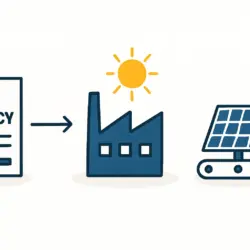
The approved scheme provides crucial support for strategic investments in the production of equipment essential for the green transition. This includes technologies like batteries, solar panels, wind turbines, heat pumps, and electrolyzers, as well as their key components and the critical raw materials needed for their production.
Under the plan, aid will be distributed to eligible companies across Greece in the form of direct grants and tax advantages. The measure is set to run until December 31, 2030, providing a stable, long-term incentive for businesses to invest in the country’s cleantech manufacturing capacity.
Aligning with the EU’s Green Industrial Plan for Greek cleantech manufacturing
This approval was granted under the EU’s temporary State aid framework, specifically the Clean Industrial Deal State Aid Framework (CISAF). The framework was established to support the objectives of the Green Deal Industrial Plan, which seeks to fast-track the transition to a net-zero economy while strengthening Europe’s industrial base.
The Commission found that the Greek scheme is necessary, appropriate, and proportional to achieve these goals. In its assessment, the Commission concluded that the measure will effectively incentivize the production of clean technologies without unduly distorting competition in the Single Market. The aid is limited to what is necessary to trigger the investments and includes safeguards to prevent negative impacts.
As noted by the Commission, this scheme is a vital step in ensuring additional clean technology manufacturing capacity is developed within the EU. It directly supports the Union’s ambitious climate targets and its goal of building a more resilient and competitive industrial sector for the future. The approval is based on Article 107(3)(c) of the Treaty on the Functioning of the EU, which allows state aid to facilitate the development of certain economic activities that serve the common European interest.
By fostering domestic production of these critical technologies, Greece and the EU are taking a decisive step toward reducing reliance on external supply chains and securing a leading role in the global clean energy market.