Huawei’s Solar Project in Sudan: A Strategic Collaboration for Sustainable Energy
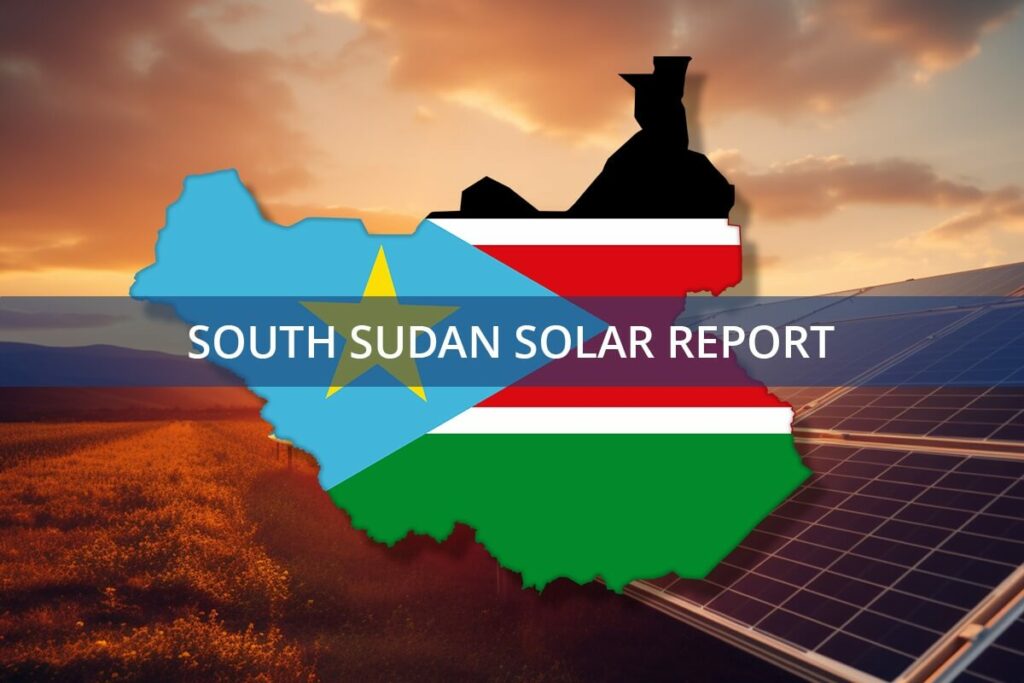
In a monumental partnership, Huawei is collaborating with the Sudanese government to develop a 1,000 MW solar power project. This ambitious venture includes a 500 MWh battery storage system designed to address Sudan’s ongoing energy challenges and accelerate its transition to renewable energy sources.
The Importance of the Solar Project for Sudan’s National Progress
Sudan currently grapples with energy shortages and a heavy reliance on fossil fuels, making this project a pivotal move toward sustainable solutions. By harnessing solar power, the nation can significantly reduce its carbon footprint and enhance long-term energy security for its people and economy.
Technological and Economic Benefits
A crucial component of this project is its 500 MWh battery storage system. This technology ensures that power generated during peak sunlight can be stored and deployed during periods of low solar output, such as at night or on cloudy days. This advancement is expected to stabilize the national grid, making the energy supply far more reliable and efficient.
Beyond grid stability, the project is anticipated to stimulate economic growth by creating local jobs and fostering a new domestic industry focused on renewables. This collaboration helps address common barriers to renewable energy deployment and aligns with broader global efforts to build sustainable energy infrastructure.
Global Context and Similar Solar Initiatives
Huawei’s initiative in Sudan mirrors a larger global trend of impactful renewable energy projects. For instance, SolarBank recently unveiled a 2.9 MW community solar project in Gainesville, New York, using domestically manufactured panels to power around 340 homes. This smaller-scale project also highlights the economic and environmental benefits of investing in local clean energy infrastructure (SolarBank Project Overview).
Similarly, Suriname recently launched a 30 MWp solar park, marking a significant milestone in its own renewable energy journey. Both examples underscore the growing global movement toward diverse and sustainable energy solutions.
The Broader Impact of Sudan’s Solar Project
Ultimately, Huawei’s solar power project in Sudan is more than a local endeavor; it’s a key part of the global shift toward renewables. By investing in large-scale solar power and battery storage technology, Sudan is setting a powerful precedent for other nations facing similar energy challenges. This project serves as a compelling example that can inspire further innovation and collaboration in the renewable energy sector worldwide.