The Iberian Peninsula Blackout: A Wake-Up Call for Energy Security
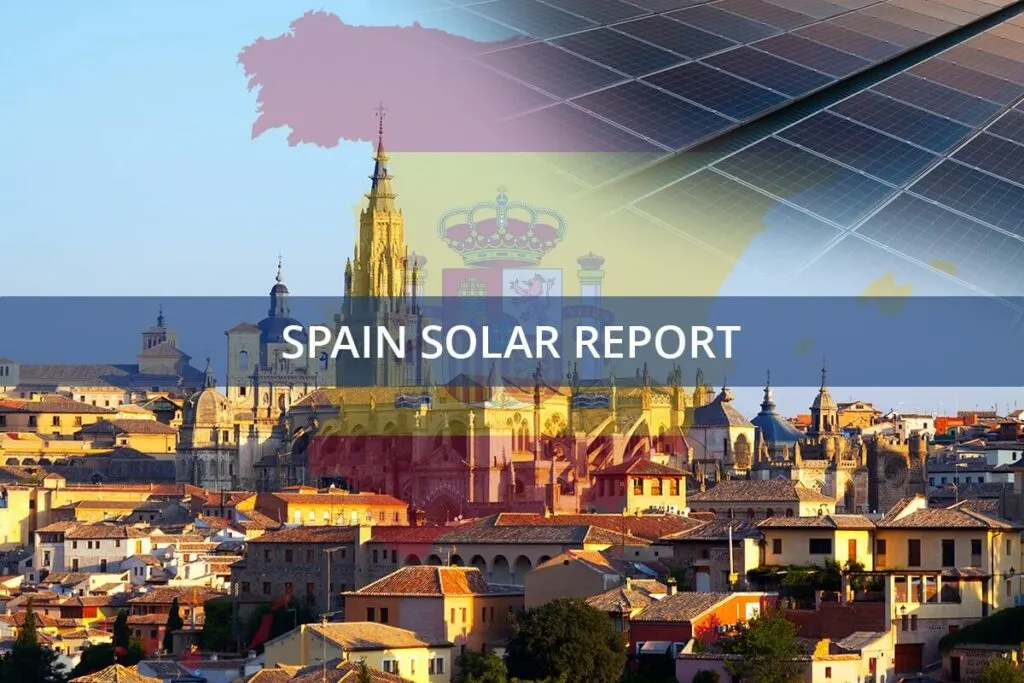
On October 28, 2024, a large-scale power outage, an event later classified as the ’31 GW’ Iberian blackout, left millions across Spain and Portugal in the dark. Major cities like Madrid, Barcelona, Lisbon, and Porto experienced the blackout, disrupting daily life, transportation, and essential services.
Scope of the Outage and Emergency Response
The blackout affected major cities across Spain and Portugal, impacting millions for several hours. In Spain, Madrid, Barcelona, Valencia, Seville, and Bilbao saw outages, while in Portugal, a sweeping power outage plunged Lisbon, Porto, Coimbra, Braga, and Faro into darkness.
Spain’s power grid operator, Red Eléctrica, attributed the outage to a fault in the interconnection with France that led to an imbalance in the grid. Meanwhile, in Portugal, EDP Distribuição reported a similar fault at the interconnection with Spain, which then cascaded through its network.
Authorities and utility companies in both countries responded quickly, working to restore service and investigate the cause. Emergency services were placed on high alert, with backup power systems activated in essential facilities like hospitals and airports.
How the Blackout Disrupted Daily Life
The blackout had a profound impact on daily life. Public transportation ground to a halt, leaving thousands stranded in subway stations and on trains. With traffic lights out, chaos erupted on the roads, prompting authorities to deploy additional police to manage the situation. Many businesses and restaurants were also forced to close, resulting in lost revenue and inconvenience for customers.
In residential areas, people lost heating or air conditioning, and many households were left without running water as electric pumps failed. The outage also disrupted internet and telecommunications services, making it difficult for people to communicate or access information.
Government and EU Response
Spanish Prime Minister Pedro Sánchez and Portuguese Prime Minister António Costa both addressed their nations, reassuring citizens that efforts were underway to restore power and investigate the cause. They emphasized the importance of remaining calm and following the instructions of emergency services.
The European Union also offered its support. President of the European Commission, Ursula von der Leyen, stated that the EU stood ready to assist both Spain and Portugal in their efforts to restore power and ensure the stability of the grid.
Investigating the Cause of the Failure
An investigation is underway to determine the cause of the interconnection failure. Initial reports suggest it may have been triggered by a technical fault or a cyberattack, though authorities have yet to confirm an exact cause. Energy experts have warned that the incident underscores the vulnerability of interconnected power grids and the need for greater investment in grid resilience and cybersecurity.
As power was gradually restored, life began to return to normal. The incident, however, has raised serious questions about the grid’s reliability and the preparedness of authorities for such large-scale disruptions. Both Spain and Portugal have pledged to conduct thorough investigations and implement measures to prevent similar outages in the future.
Lessons in Energy Security
The Iberian Peninsula blackout serves as a stark reminder of the importance of energy security and the need for robust infrastructure. As Spain and Portugal recover, the focus will likely shift toward improving grid resilience, enhancing cross-border cooperation, and investing in new technologies to prevent such a widespread outage from happening again.
For further reading on how other countries are tackling energy challenges, you might find it interesting to explore how Cuba Tackles Energy Crisis With 2 GW of Solar Power, highlighting innovative solutions in energy security.