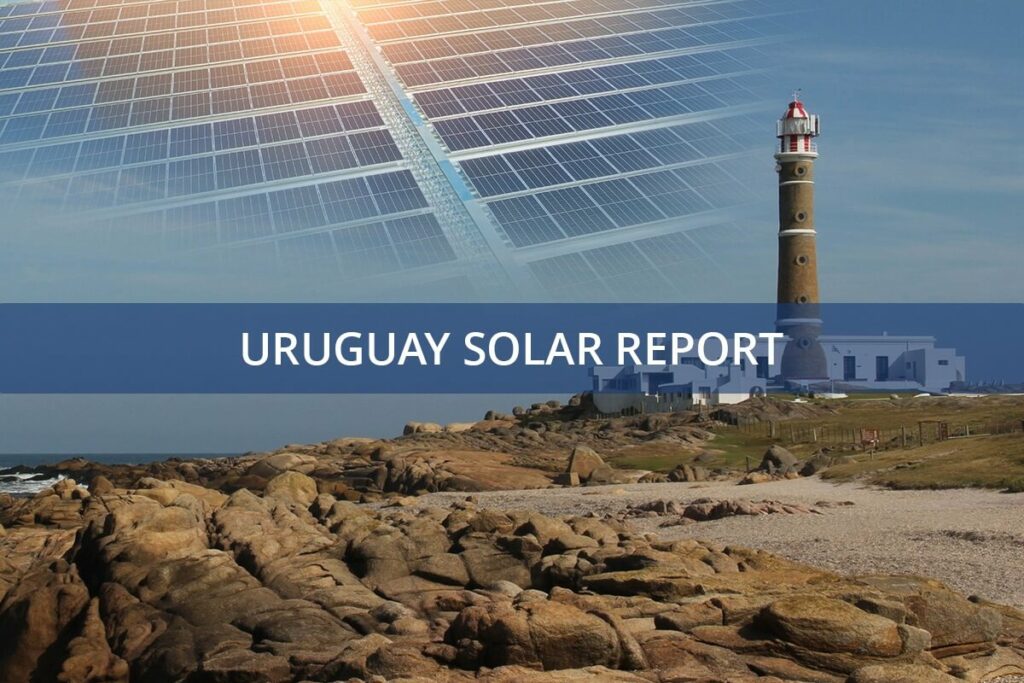
UTE Announces 200 MW Solar Expansion with Bifacial Panels
In a significant move underscoring a commitment to renewable energy innovation, Uruguay’s state-owned power company, UTE (Administración Nacional de Usinas y Trasmisiones Eléctricas), is reportedly advancing its green energy portfolio with a new 200-megawatt (MW) solar expansion. This project is particularly noteworthy for its planned use of bifacial solar panels, a cutting-edge technology designed to maximize energy production and efficiency.
This development signals a powerful next step in the nation’s already impressive renewable energy journey, pushing the boundaries of solar technology to meet future energy demands sustainably.
The Scale and Impact of Bifacial solar expansion
A 200 MW solar project represents a substantial addition to any nation’s energy grid. To put this figure into perspective, a solar farm of this magnitude can typically generate enough clean electricity to power tens of thousands of homes annually. By replacing fossil fuel-based power generation, this expansion will also contribute significantly to reducing carbon emissions, reinforcing the country’s climate action goals and promoting greater energy independence.
Projects of this scale are crucial for ensuring grid stability and meeting the growing electricity needs of residential, commercial, and industrial sectors without compromising environmental principles.
The Bifacial Advantage: A Leap in Bifacial solar expansion Technology
The decision to utilize bifacial solar panels is a key element of this expansion. Unlike traditional monofacial panels that only capture sunlight on their top surface, bifacial panels are designed to generate electricity from both sides.
This dual-sided capability allows them to capture direct sunlight on the front while simultaneously absorbing reflected light from the ground surface (known as albedo) on the back. This innovative approach can boost energy yield by anywhere from 5% to 20% compared to conventional panels, depending on factors like ground reflectivity, installation height, and tilt angle.
By harnessing more of the available light, bifacial technology allows for greater power generation from a similar footprint, making it an economically and environmentally efficient choice for large-scale solar installations. This technological step forward demonstrates a strategic focus on optimizing asset performance and maximizing the return on investment in clean energy infrastructure.
Powering a Sustainable Future with Bifacial solar expansion
This 200 MW solar expansion is more than just an infrastructure project; it’s a clear indicator of the forward-thinking strategy guiding the energy sector. By embracing advanced technologies like bifacial panels, utilities like UTE are not only expanding their generation capacity but are also setting new standards for efficiency and sustainability.
As the world continues its transition toward a low-carbon economy, projects like this serve as a powerful example of how to build a resilient, clean, and modern energy system for generations to come.