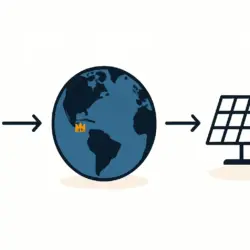
El Salvador Included in Regional Rooftop Solar Initiative: The El Salvador solar initiative
The global push for renewable energy is gaining unprecedented momentum, with rooftop solar emerging as a key driver for change in residential, commercial, and industrial sectors. In an exciting development for Central America’s green transition, El Salvador is now part of a growing focus on regional solar initiatives, signaling a significant step towards energy independence and sustainability.
While specific details of a new, large-scale regional program are still emerging, the inclusion of El Salvador aligns with a powerful international trend where governments and private sectors are collaborating to harness the power of the sun. This movement is not just about environmental responsibility; it’s a strategic move towards economic growth, grid stability, and energy security.
The Global Context for Solar Adoption and the El Salvador solar initiative
To understand the significance of this development for El Salvador, it’s helpful to look at similar initiatives worldwide. Countries are increasingly implementing ambitious programs to accelerate the adoption of solar power.
For instance, India’s “Ghar: Muft Bijli Yojana” initiative is actively promoting rooftop solar installations, backed by a substantial budget allocation aimed at covering one crore (ten million) households by 2027. This demonstrates a powerful model of government-led deployment to bring clean energy directly to the people.
Similarly, the European solar PV market is expanding rapidly as nations work to meet decarbonization targets. This push is creating a dynamic environment for rooftop, commercial, and industrial solar projects. In Asia, Vietnam’s industrial parks are setting a high standard, with some aiming to run on 100 percent renewable energy, partly powered by thousands of rooftop solar panels.
What a Regional Initiative Means for El Salvador solar initiative
For El Salvador and its neighbors, a coordinated regional initiative can unlock numerous benefits. By pooling resources, sharing technical expertise, and creating unified policy frameworks, countries can attract greater investment and accelerate deployment more effectively than by acting alone.
Key advantages include:
- Access to Green Finance: A regional approach can attract significant green finance, a crucial driver for transitioning toward a circular economy and sustainable infrastructure. International development banks and private investors are often more willing to fund large, multi-country projects with clear goals.
- Grid Modernization: The widespread adoption of distributed energy resources like rooftop solar necessitates significant grid modernization. This initiative will likely spur investment in the power cable market and smart grid technologies, creating a more resilient and efficient energy system for the entire region.
- Economic Growth and Job Creation: Building a robust solar ecosystem—from installation and maintenance to manufacturing and software development—creates skilled jobs and stimulates local economies.
- Energy Security: By generating more power locally, El Salvador can reduce its reliance on imported fossil fuels, insulating its economy from volatile global energy prices and enhancing its national security.
The Path Forward for the El Salvador solar initiative
The success of this initiative will depend on creating a supportive ecosystem. This includes streamlining regulations for solar installations, offering financial incentives, and investing in workforce training. The availability of energy grants and other funding mechanisms will be critical for both homeowners and businesses looking to make the switch to solar.
As the world increasingly turns to renewable sources, El Salvador’s participation in a regional rooftop solar initiative places it at the forefront of the clean energy transition in Central America. It is a forward-looking step that promises a brighter, cleaner, and more prosperous future for the nation and the region as a whole.