AIIB’s Investment in Indonesia solar PV project
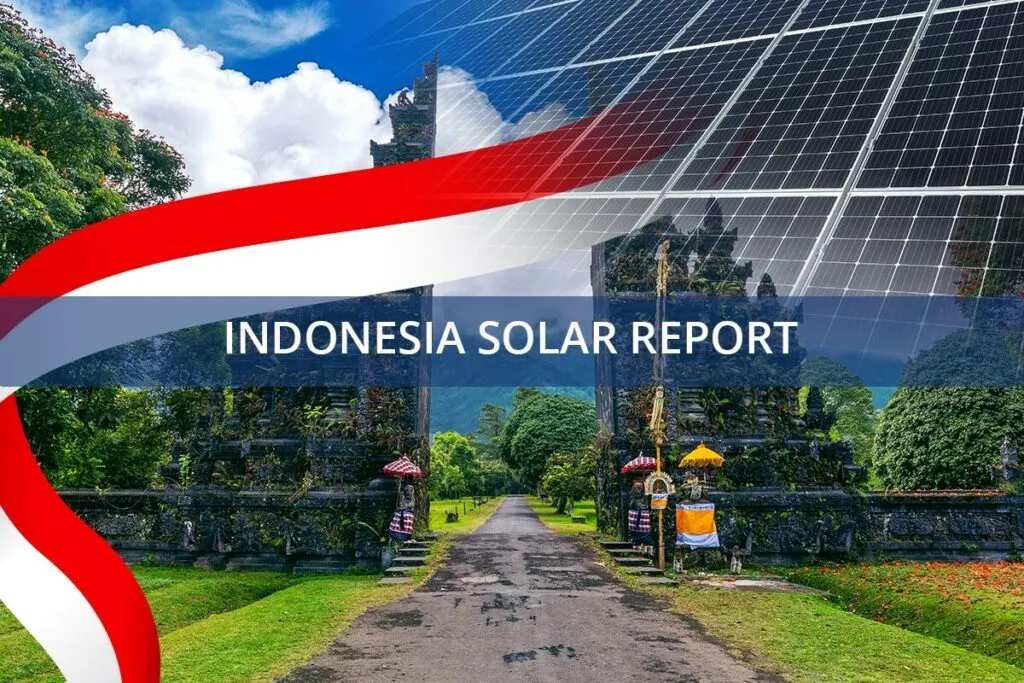
On October 25, 2024, the Asian Infrastructure Investment Bank (AIIB) announced its approval of a $100 million loan for the development of the 230 MWac Banyuwangi Solar PV project in Indonesia. This significant investment will support the construction of what is poised to be Southeast Asia’s largest solar plant, playing a crucial role in advancing Indonesia’s ambitious renewable energy goals. The project aligns with the country’s broader strategy to boost Indonesia solar power capacity.
The Banyuwangi Solar PV project will be developed through a collaborative effort between Abu Dhabi Future Energy Company PJSC – Masdar, a global leader in renewable energy projects, and PLN Indonesia Power, a subsidiary of PT PLN (Persero). This partnership marks a key milestone in Indonesia’s ongoing efforts to decarbonize its power sector by expanding its renewable energy generation capacity. The objective of the Project is to contribute to Indonesia’s renewable energy capacity and decarbonization goals by supporting the installation and operation of a 100-megawatt utility-scale solar photovoltaic power plant in Banyuwangi, East Java.
A Major Step Toward Renewable Energy Goals for the Indonesia solar PV project
The Banyuwangi Solar PV project is expected to make a substantial contribution to Indonesia’s renewable energy targets. Indonesia aims to achieve 16.3 GW of renewable energy capacity by 2025 and increase its renewable energy mix to 23% by 2025 and 31% by 2030. The nation’s solar power plan includes a stunning 100 GW goal by 2060.
By generating clean energy for the Java grid, the project will support these national objectives and facilitate the decarbonization of Indonesia’s power sector. Furthermore, it will contribute to Indonesia’s Long-Term Strategy for Low Carbon and Climate Resilience 2050 (LTS-LCCR 2050), which outlines a net-zero emissions scenario by 2060.
Supporting Indonesia’s Energy Transition with the solar PV project
The Banyuwangi Solar PV project’s significance extends beyond simply meeting renewable energy targets; it is an integral part of supporting Indonesia’s broader energy transition. By increasing the proportion of renewable energy sources in the nation’s energy mix, the project will reduce Indonesia’s reliance on fossil fuels and significantly lower greenhouse gas emissions.
Beyond the environmental advantages, the project is anticipated to stimulate economic growth and create numerous jobs. The construction phase and subsequent operation of the solar plant will provide valuable employment opportunities. The increased availability of clean, sustainable energy will also support various industrial and economic activities across the region. To understand how such projects are realized, exploring the basics of solar panel manufacturing can offer valuable insights.
AIIB’s Role in Indonesia’s Renewable Energy Sector and the solar PV project
The AIIB has demonstrated its strong commitment to supporting Indonesia’s renewable energy sector. The Banyuwangi Solar PV project is the second solar initiative in Indonesia to receive backing from the AIIB, following the $150 million loan for the 145MWac Cirata Floating Solar PV Project in 2021. Both projects are being developed in partnership with Masdar, a global leader in the renewable energy industry.
AIIB’s continued investment in these projects highlights its dedication to fostering renewable energy development in Indonesia. The financial support provided by the bank is crucial for enabling the development of large-scale renewable energy projects that require substantial capital investment.
Indonesia’s Progress in Renewable Energy with the solar PV project
Indonesia has achieved notable progress in its renewable energy development efforts. By the end of 2023, the country’s total installed renewable energy capacity had reached 15.3 GW, with solar power contributing 1.2 GW. The Banyuwangi Solar PV project will add a significant 230 MWac to this capacity, further enhancing Indonesia’s renewable energy portfolio. The government has outlined a plan to build 16.9 GW of large-scale solar facilities and 0.2 GW of rooftop solar installations, aiming to reduce reliance on coal and increase the share of renewable energy in the power generation mix.
The Banyuwangi Solar PV project marks a significant advancement in Indonesia’s renewable energy journey. With the support of organizations like the AIIB and the expertise of developers such as Masdar, Indonesia is making strides toward achieving its renewable energy targets and transitioning to a more sustainable energy future.
If you’re interested in learning more about the solar industry, consider taking our free e-course to deepen your understanding.