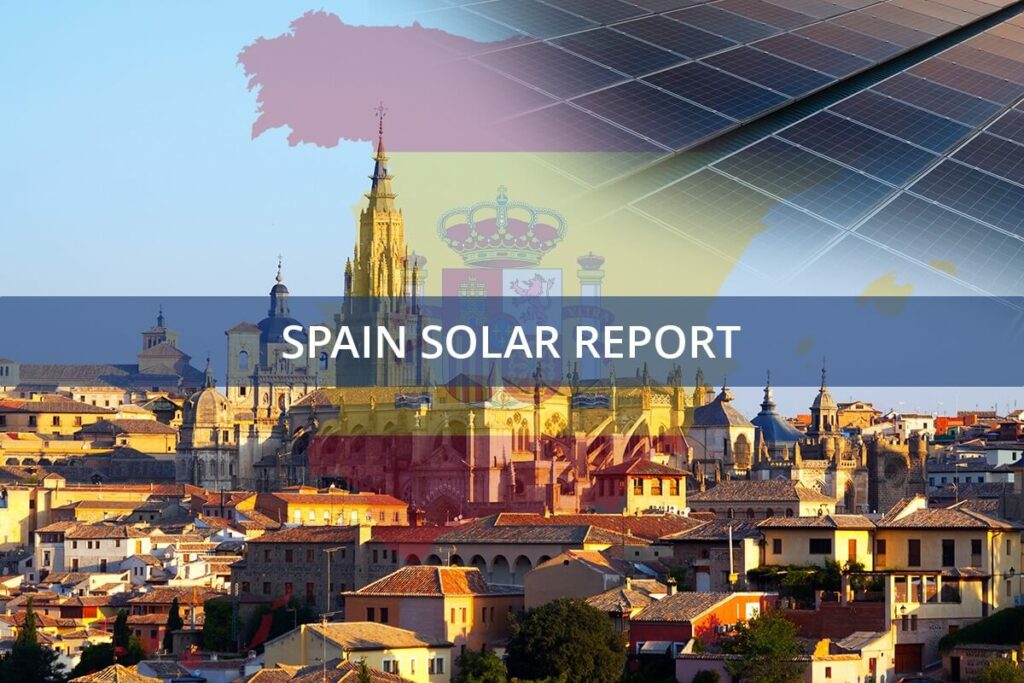
French cleantech specialist ROSI is advancing the circular economy for photovoltaics with a major investment in a new, fully automated solar panel recycling facility in Teruel, Spain. Bolstered by a recent funding round that secured over €20 million (approximately $23 million), the company is poised to address one of the renewable energy sector’s most pressing challenges: managing end-of-life solar modules.
Scaling Up Recycling Capacity
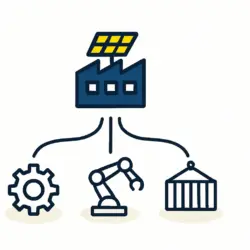
The Teruel plant represents a significant expansion of ROSI’s operational capacity, building on the foundation of its initial industrial site, ROSI Alpes. This new facility is engineered to process up to 10,000 tonnes of decommissioned solar panels each year. By leveraging an advanced pyrolysis-based process, ROSI will go beyond conventional recycling methods to recover materials often lost during disassembly.
The primary goal is the extraction of high-purity raw materials crucial for new manufacturing. The facility will reclaim valuable resources including high-purity silicon, silver, copper, aluminum, and high-quality glass. This high-value recovery ensures these materials can be seamlessly reintroduced into industrial supply chains, reducing the solar industry’s reliance on virgin resources and strengthening European supply chain resilience.
A Strategic Investment in Sustainability
The project’s financing, a combination of a successful Series B funding round and supplementary French and European grants, underscores the growing investor confidence in circular economy solutions for the PV sector. For ROSI, a company founded in 2017, this new plant is a cornerstone of its strategy to develop a scalable and replicable recycling model that can be deployed across Europe.
As the first wave of solar installations reaches the end of its operational lifespan, the volume of PV waste is set to increase dramatically. Facilities like ROSI’s in Teruel offer a vital, sustainable pathway to prevent these modules from ending up in landfills. By closing the loop on the solar panel lifecycle, ROSI is ensuring that the clean energy of today does not become the environmental liability of tomorrow, making the entire solar value chain more sustainable.
Sources
- ROSI Raises $23 Million to Expand Solar Module Recycling in Europe
- ROSI Raises $23 Million to Scale Solar Panel Recycling Capacity
- French Cleantech Rosi Raises €20M for PV Module Recycling Plant
- ROSI has raised more than €20 million in a Series B funding round
- Rosi to build PV module recycling plant in Spain – PV Magazine
- ROSI to build PV module recycling plant in Spain
- ROSI secures over €20 million to scale solar panel recycling