“`html
India and Bhutan Strengthen Cooperation in Renewable Energy Sector
India and Bhutan are deepening their long-standing partnership in the energy sector, expanding beyond traditional hydropower to embrace solar energy. This strategic move signals a new era of collaboration focused on diversifying their renewable energy portfolio and enhancing regional energy security. A recent agreement for a major solar power project stands as a testament to this evolving relationship.
A Landmark India Bhutan Renewable Energy Project in Paro
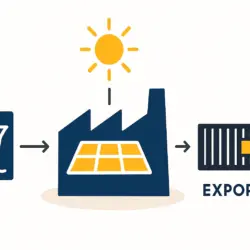
A key development in this enhanced cooperation is a partnership between India Power Corporation Limited and Bhutan’s Green Energy Power Private Limited. The two entities are set to develop a 70-megawatt peak (MWp) solar power plant in Paro, Bhutan. This project marks a significant step forward in bilateral renewable energy collaboration, demonstrating a shared commitment to harnessing solar potential in the Himalayan kingdom.
This initiative is a concrete example of the joint efforts to move towards cleaner energy sources, complementing the nations’ extensive history of cooperation in hydropower.
Official Reinforcement of India Bhutan Renewable Energy Ties
The commitment to strengthening the energy partnership has been officially recognized. According to a release from India’s Press Information Bureau on February 3, 2026, both nations have formally agreed to enhance cooperation in the power sector. This high-level endorsement underscores the strategic importance of the collaboration, aligning with broader initiatives in both hydropower and solar energy between the two countries.
This official statement provides a strong policy framework for future projects and solidifies the intent to build a more resilient and diversified energy relationship.
Diversifying a Historic India Bhutan Renewable Energy Partnership
For decades, the cornerstone of India-Bhutan energy relations has been hydropower. While this remains a critical component, the joint venture into solar power represents a forward-looking diversification of their energy mix. By embracing solar technology, Bhutan can tap into another abundant renewable resource, while India can contribute its growing expertise and investment capacity in the solar sector.
This strategic pivot not only supports the clean energy goals of both nations but also contributes to the broader push for sustainable development and climate resilience in the Indo-Pacific region. As India continues to support its domestic solar supply chain through national policies, the potential for such cross-border collaborations is expected to grow, further strengthening the historic and mutually beneficial ties between the two neighbours.
“`