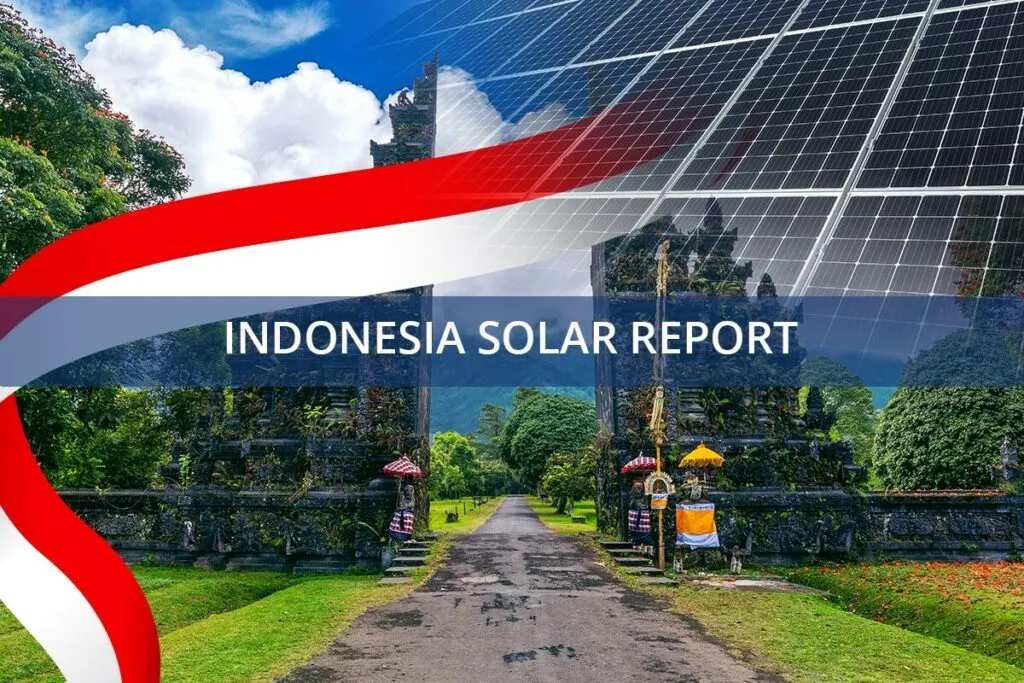
Indonesia’s solar energy sector is experiencing rapid growth, driven by large-scale projects and increasing investments in green initiatives. As part of a broader Southeast Asian trend where electricity demand is projected to double by 2050, the country’s abundant sunlight and escalating energy demands make solar power a critical component of its energy strategy. This push is underpinned by a national commitment to achieve net-zero emissions by 2060 or earlier, with ambitious interim goals for 2030, placing Indonesia’s development within a compelling global solar report.
Major Indonesia solar energy Projects in Development
A number of significant solar projects are currently in development across Indonesia, showcasing the nation’s ambition in renewable energy. One landmark project is the Cirata Floating Solar Power Plant, a joint venture between Indonesia Power and Masdar of the UAE. With an initial capacity of 192 MWp, this floating solar array is one of the largest in the world, covering over 200 hectares of the Cirata Reservoir in West Java. The plant became operational in late 2023 and supplies clean electricity to 50,000 homes, reducing CO2 emissions by an estimated 214,000 tons per year. The unique engineering required for floating installations highlights the advanced solar panel manufacturing process now being deployed.
In addition, Sunseap Group is developing a massive $2 billion floating solar farm on the Batam Sea. This 2.2 GW facility will feature a daily energy storage capacity of 4,000 MWh. Slated for completion by 2024, the project will supply power to both Singapore and Indonesia, establishing Asia’s first cross-border electricity transmission network for renewable energy.
Strategic Investments in Indonesia solar energy Power
Indonesia is successfully attracting significant foreign and domestic investment into its solar sector. The government has implemented policies to incentivize renewable energy development, including tax incentives, feed-in tariffs, and financial support. Recent forums have galvanized this momentum, resulting in green investment commitments totaling around $17.6 billion to accelerate the country’s clean energy transition.
International financial institutions are playing a key role. The Asian Development Bank (ADB) approved a $500 million loan to Indonesia’s state-owned electricity company, PLN, to expand renewable infrastructure. The ADB aims to support the development of 1,200 MW of solar capacity by 2025 and 3,000 MW by 2030. This funding facilitates the construction of new solar projects and improves the integration of renewables into the national grid. Furthermore, institutions like the World Bank are actively supporting the deployment of solar-plus-storage solutions to bring reliable and affordable electricity to communities.
This investment climate is fostering regional collaboration. For instance, Singapore has signed an agreement with Indonesia to import 100 MW of renewable energy, primarily from solar sources, underscoring the growing cross-border energy trade in Southeast Asia.
Challenges and Opportunities in Indonesia solar energy
Despite the rapid growth, Indonesia’s solar sector faces several challenges. The high upfront capital costs, often detailed in a solar panel manufacturing plant cost breakdown, limited access to financing, and complex regulatory hurdles are significant barriers. Furthermore, like many nations in the region, Indonesia must address the issue of outdated grid infrastructure, which can hobble the integration of variable renewable sources like solar.
However, the opportunities are immense. The government’s commitment to achieving 23% renewable energy in its mix by 2025 and 31% by 2050—as part of a detailed energy transition roadmap—provides a strong impetus for continued investment. Indonesia’s vast, untapped solar potential, combined with a supportive policy framework, creates a highly conducive environment for large-scale projects, particularly in providing energy independence to its many remote islands.
As Indonesia continues to prioritize its energy transition, the solar sector is expected to play a pivotal role. The future looks promising, with continued investments and technological advancements driving further growth. The development of large-scale solar projects and the keen interest from foreign investors underscore the sector’s potential to become a major contributor to Indonesia’s energy landscape. As the country moves towards a more sustainable energy future, solar power will be at the forefront of its renewable energy strategy.
To learn more about the intricacies of solar energy production, from materials to finished panels, explore our free e-course.