UK-Funded Solar Systems Boost Agricultural Productivity in Jamaica solar agriculture
Jamaica’s agricultural sector has received a significant boost through a landmark project powered by renewable energy. A major initiative in St. Elizabeth, funded by the United Kingdom, is leveraging solar power to enhance farming infrastructure, strengthen climate resilience, and improve food security across the region.
The Essex Valley Agricultural Development Project, officially opened this week, stands as a testament to strategic international partnership and sustainable innovation. Backed by a J$7.6 billion contribution from the UK Government through the UK Caribbean Infrastructure Fund (UKCIF), this project is set to transform the agricultural landscape of Jamaica’s “breadbasket” parish.
Harnessing Jamaica solar agriculture Energy for Sustainable Farming
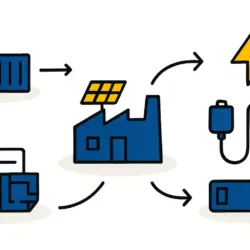
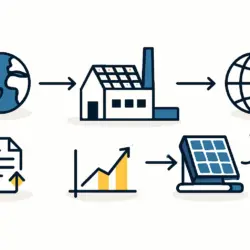
At the heart of the Essex Valley project is the integration of state-of-the-art solar power systems. This clean energy infrastructure is the backbone of the newly developed irrigation network, providing consistent and affordable power to support 810 hectares of farmland. By using solar energy, the project drastically reduces the operational costs associated with traditional energy sources, making irrigation more accessible and sustainable for local farmers.
Beyond irrigation, the solar systems also power essential on-site facilities. This comprehensive approach ensures that the entire agricultural process, from watering crops to post-harvest handling, is supported by reliable and environmentally friendly energy. This shift not only lowers the carbon footprint of farming operations but also insulates farmers from the volatility of fossil fuel prices, creating greater economic stability.
A Comprehensive Strategy for Climate Resilience in Jamaica solar agriculture
The solar installation is a critical component of a much broader infrastructure overhaul designed to modernize agriculture in the Essex Valley. The UK-funded project also delivered 62 kilometers of improved agricultural roads, which are vital for connecting farms to markets and reducing post-harvest losses. Farmers can now transport their produce more quickly and efficiently, ensuring it reaches consumers in better condition.
Furthermore, the initiative includes the construction of 30 food safety and sanitation facilities. These facilities enable farmers to store, process, and package their produce according to modern standards, unlocking new market opportunities and strengthening the overall agricultural value chain. Together, these improvements create a holistic system that enhances productivity, promotes rural prosperity, and builds resilience against the growing challenges posed by climate change.
A Landmark Investment in Jamaica solar agriculture’s Future
The Essex Valley project represents one of the most substantial UK investments in Jamaica’s agricultural sector. It is one of two major agricultural projects in the country to receive funding from the UKCIF, which has committed a total of J$11.61 billion to date.
By integrating renewable energy with modern agro-processing infrastructure, this initiative provides a powerful model for sustainable development. It empowers Jamaican farmers to increase their output, improve their livelihoods, and contribute more effectively to the nation’s food security, all while adapting to the realities of a changing climate. The project shines a light on a brighter, more sustainable future for agriculture in Jamaica and the wider Caribbean.