Kenya Government Actively Promotes Kenya solar energy Expansion Nationwide
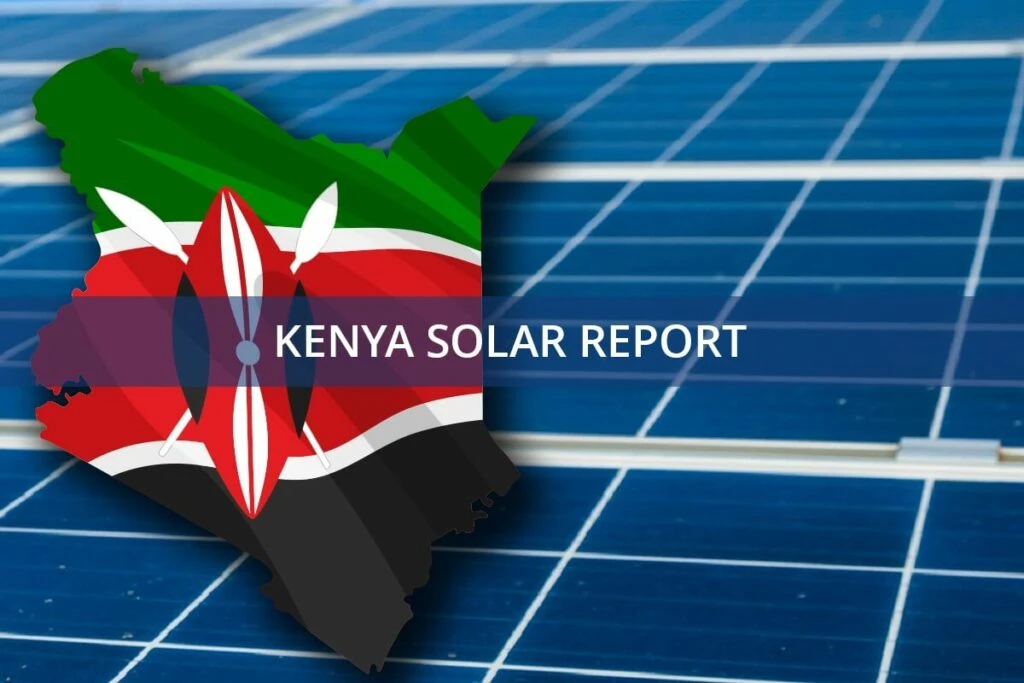
Kenya is strategically positioning itself as a leader in renewable energy, harnessing its abundant solar resources to power homes, businesses, and communities across the nation. The government is moving beyond mere policy and is actively fostering a robust ecosystem for solar energy expansion through a deliberate and multi-faceted regulatory approach. This commitment is creating a stable and attractive environment for investment, innovation, and widespread adoption of solar technology.
The Regulatory Backbone: EPRA’s Central Role in Kenya solar energy
At the heart of Kenya’s solar strategy is the Energy and Petroleum Regulatory Authority (EPRA). With a clear legal mandate to advance renewable energy, EPRA serves as the primary enabler and gatekeeper for the burgeoning solar sector. The authority’s role is crucial in ensuring that the growth of solar energy is not only rapid but also sustainable and safe for consumers.
According to Daniel Kiptoo of EPRA, the promotion of renewables is deeply embedded in the authority’s legal framework. EPRA meticulously manages the sector by licensing renewable energy projects and, critically, certifying the professionals who bring them to life. This includes a formal licensing process for electrical contractors, technicians, and solar PV installers. By setting and enforcing professional standards, the government is building consumer confidence and guaranteeing the quality and reliability of solar installations nationwide, a fundamental step in long-term market development.
Expanding Horizons: The Push for Solar Water Heating in Kenya solar energy
Beyond photovoltaics for electricity generation, the Kenyan government and industry stakeholders are looking toward other high-potential applications of solar power. There is a growing recognition of the untapped potential of solar thermal energy, particularly for water heating.
Industry analysis points to a need for stronger, more targeted regulations to fully unlock this market segment. Such regulations would likely standardize technology, incentivize adoption in residential and commercial buildings, and further reduce the nation’s reliance on the grid for heating needs. This focus signals a mature approach to energy planning, where every ray of sunshine is seen as a valuable resource to be harnessed efficiently.
Fostering a Vibrant Market Ecosystem for Kenya solar energy
The government’s regulatory support has cultivated a fertile ground for the private sector. In response to the clear policy direction and growing demand, companies are innovating beyond simple hardware sales. The market is witnessing a significant shift towards integrated clean energy solutions. These bundled offerings often include not just solar panels but also sophisticated financing options and remote monitoring systems, making solar energy more accessible and manageable for a wider range of customers.
This market dynamism, exemplified by partnerships between local firms and global technology leaders like Huawei and Jinko Solar, is a direct result of the stable and predictable environment the government is working to create. It shows that regulatory clarity empowers private enterprise to meet the country’s energy needs effectively.
The National and Continental Outlook for Kenya solar energy
While Kenya’s progress is commendable, the path to full energy transformation is not without its challenges. Planners must contend with factors like weather variability, which can affect the reliability of solar power—a challenge shared across the African continent. Addressing this requires a holistic energy strategy that views different sources, including renewables and natural gas, as complementary tools for ensuring a stable and secure supply.
Furthermore, Kenya’s proactive engagement in international trade, such as its economic partnership agreements, can indirectly bolster the renewables sector. By strengthening the national economy and improving trade links, the government creates a more favorable climate for the investment needed to scale up energy infrastructure.
In conclusion, the Kenyan government is actively and effectively promoting the nationwide expansion of solar energy. Through the diligent regulatory work of EPRA, a forward-looking approach to new technologies like solar water heating, and the cultivation of a thriving private market, Kenya is building a sustainable energy future, one solar panel at a time.