Kenya’s Solar Sector Surges: Leadership in Kenya solar energy in 2026
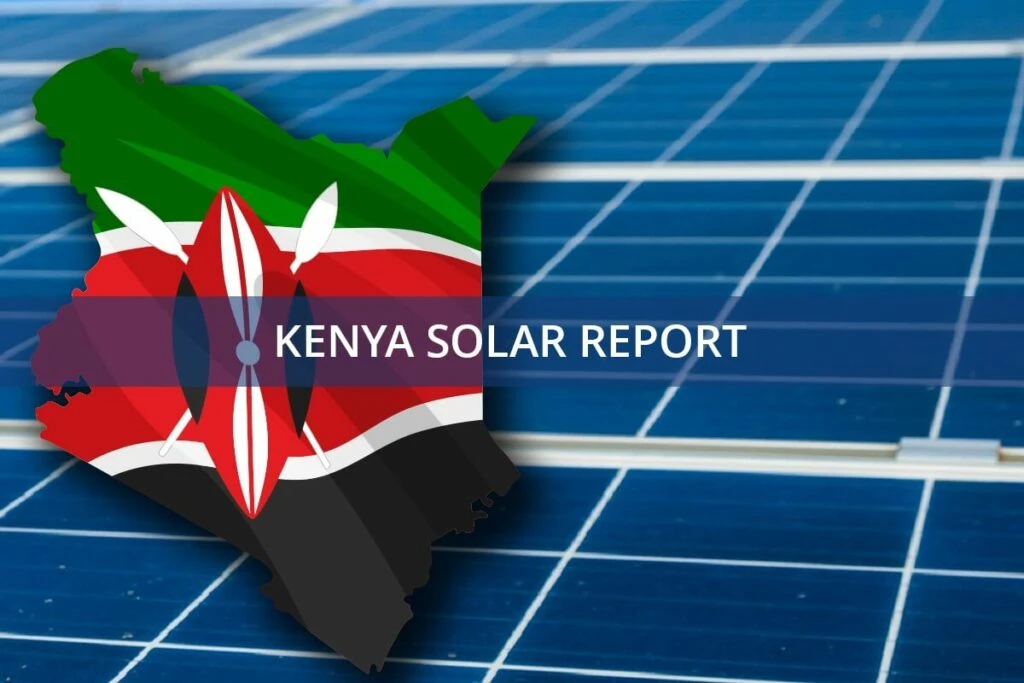
The year 2026 is proving to be a landmark period for Kenya’s renewable energy landscape, with the solar sector experiencing a remarkable surge in growth. Driven by a combination of ambitious utility-scale projects, burgeoning private sector investment, and strategic government planning, Kenya is not only expanding its domestic energy capacity but also solidifying its position as a clean energy leader in East Africa. This expansion is unfolding against the backdrop of a continent-wide solar boom, where installations grew by an astonishing 54% in 2025.
Utility-Scale Projects Powering the Grid with Kenya solar energy
At the heart of Kenya’s solar expansion are significant projects led by major energy producers. The state-owned Kenya Electricity Generating Company (KenGen) is at the forefront of this push. As part of its short-term strategy to add approximately 253 MW to the national grid, KenGen is developing the 42.5 MW Seven Forks Solar PV Plant. This project is a key component of a broader initiative to diversify the country’s energy mix, which stood at an installed capacity of 3,840.8 MW as of June 2025.
These efforts are part of KenGen’s larger vision to add over 500 MW from various renewable sources by 2028, further reducing Kenya’s carbon footprint. The integration of solar alongside established geothermal, wind, and hydro power demonstrates a sophisticated, multi-pronged approach to achieving energy security and sustainability.
Commercial Sector Embraces Kenya solar energy Power
Beyond large-scale utility projects, the commercial and industrial (C&I) sector is playing a crucial role in the solar boom. A prominent example is the expansion of the Two Rivers Mall’s solar capacity. In a partnership between Centum Real Estate and Distributed Power Africa–Kenya, the facility’s solar system was expanded from 1.2 MW to 3.2 MW in early 2025, making it one of the largest rooftop solar installations in East Africa.
This trend highlights growing private sector confidence in solar as a viable, long-term energy solution. However, the path is not without its challenges. The “hidden price tag” of this green shift includes significant upfront investment costs, ranging from Sh5 million for smaller setups to over Sh150 million for large-scale commercial installations. Despite these high initial costs and payback periods of five to ten years, the long-term benefits of reduced electricity bills and energy independence are proving to be a powerful incentive for businesses across the country.
Leading the Charge in a Booming African Market for Kenya solar energy
Kenya’s progress is a key part of a larger continental trend. According to the Global Solar Council’s “Africa Market Outlook for Solar PV 2026 to 2029,” the African solar market is in a record growth phase. Kenya’s strategic investments ensure it remains at the vanguard of this movement in the East African region.
The country’s leadership extends beyond just generating power. The government is also leveraging solar technology to address other critical national priorities, such as food security. Ambitious plans are underway to expand irrigation in Arid and Semi-Arid Lands (ASALs) using solar-powered water pumping systems. This innovative application of solar technology showcases a holistic approach to sustainable development.
Supporting this green transition is a robust financing ecosystem. Kenya has successfully secured $1.8 billion in loans for 14 distinct projects focused on geothermal energy and, crucially, grid expansion. While not all funds are earmarked directly for solar, strengthening the national grid is essential for integrating intermittent renewable sources like solar and wind, ensuring that the power generated reaches consumers reliably.
As Kenya moves forward, the synergy between public utility projects, private sector innovation, and strategic international financing is creating a powerful momentum. The nation’s solar sector is not just growing—it is powering a brighter, more sustainable future for Kenya and setting a compelling example for the entire region.