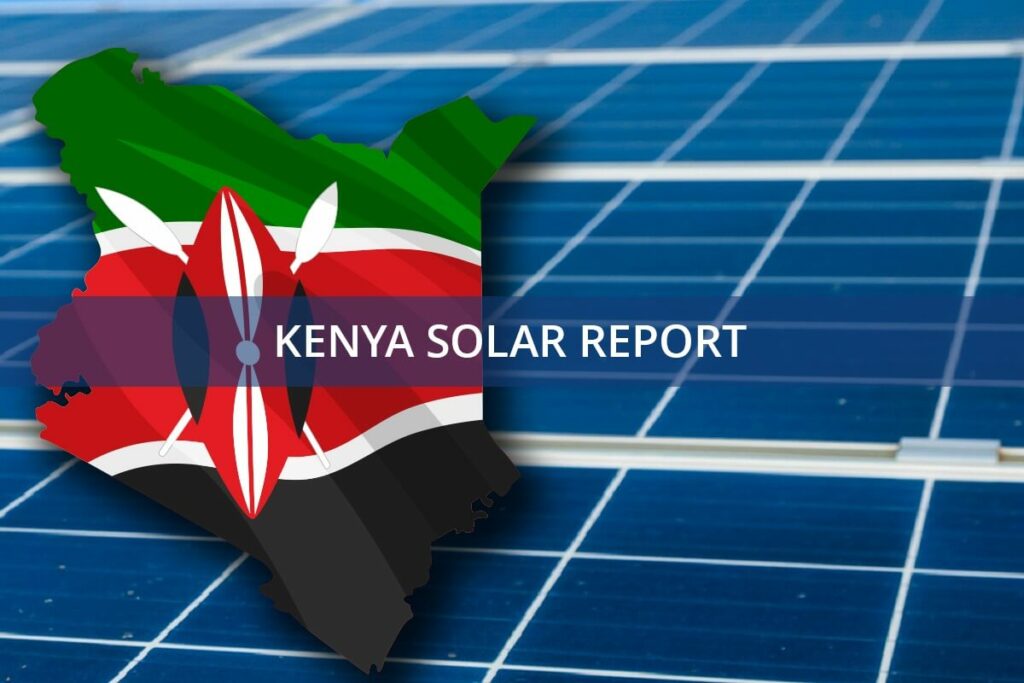
Kenya’s Solar Program: Aims to Power Institutions with Clean Energy
Kenya is embarking on a significant push towards renewable energy, with a notable focus on powering its public institutions. A reported initiative to bring clean, reliable solar energy to 266 institutions across the country marks a pivotal step in this green transition. While details of a single, unified program of this exact scale remain emergent, this ambition is clearly reflected in several major, ongoing projects that are already transforming schools, health clinics, and other vital public services.
This move is part of Kenya’s broader strategy to enhance energy security, reduce reliance on an often-strained national grid, and achieve its climate goals. By targeting public institutions, the government is ensuring that the benefits of solar power—reliability, lower long-term costs, and environmental sustainability—reach the very heart of its communities.
Powering Progress Through Strategic Initiatives of the Kenya Solar Program
At the forefront of this movement is the Kenya Power and Lighting Company (KPLC), whose Solar Mini-Grid Expansion Initiative is making tangible progress in rural and off-grid areas. This program has been instrumental in deploying solar-diesel hybrid systems in counties like Kirinyaga and Kitui. These mini-grids are now the primary power source for local schools, health clinics, and small businesses, fundamentally changing the landscape of public service delivery. Since 2018, this and related rural electrification efforts have been key in pushing Kenya’s national electricity access rate to over 78%, with a clear goal of achieving universal access by 2030.
These projects are critical because they address one of the biggest challenges for public institutions in remote areas: access to consistent and affordable power. Unreliable energy can disrupt educational activities, compromise medical services, and hinder local economic development. Solar power provides a resilient solution, ensuring that these essential services can operate without interruption.
A Thriving Ecosystem of Investment and Innovation in the Kenya Solar Program
Kenya’s solar ambitions are being fueled by a robust combination of public-private partnerships, international support, and homegrown innovation. The financial sector is showing strong confidence in the market, as evidenced by a recent $156 million financing deal secured by Sun King, a major player in off-grid solar. Backed by Kenyan banks and international development finance institutions, this investment is set to significantly expand solar access across the country, creating a favorable environment for large-scale projects like the one targeting public institutions.
Furthermore, Kenyan academic institutions are not just beneficiaries but also drivers of this solar revolution. Researchers at the University of Nairobi, for example, have developed a low-cost, solar-powered irrigation system that is already being used on over 200 smallholder farms. This demonstrates a growing local capacity to innovate and tailor renewable energy solutions to meet specific community needs.
International partners are also playing a crucial role. The Rockefeller Foundation’s Mission 300 initiative, for instance, is supporting policy reforms in Kenya and other African nations to accelerate energy access in critical sectors like healthcare, education, and agriculture. This high-level support helps create the regulatory and policy frameworks necessary for solar projects to succeed and scale.
A Brighter, Greener Future for Public Services Through the Kenya Solar Program
Whether the goal of powering 266 institutions is achieved through a single program or as the cumulative result of these multiple powerful initiatives, the direction is clear. Kenya is strategically leveraging solar energy to build a more resilient and equitable future. By ensuring its schools, clinics, and community hubs have access to clean and reliable power, the nation is investing directly in the health, education, and prosperity of its people. This ambitious solar program is more than just an energy project; it’s a foundational element for a sustainable and thriving Kenya.