The World Bank has approved a $101 million funding package to support Kyrgyzstan’s energy sector, focusing on expanding renewable energy and improving energy efficiency. This funding is part of a broader initiative to modernize infrastructure and promote sustainable economic development in Central Asia.
Driving the Energy Transition
With its abundant hydropower resources, Kyrgyzstan is well-positioned to lead the energy transition in Central Asia. The country generates 90% of its electricity from hydropower plants, making it one of the few nations in the region with a high share of renewable energy in its mix. However, the sector faces significant challenges it must address to ensure long-term sustainability and resilience.
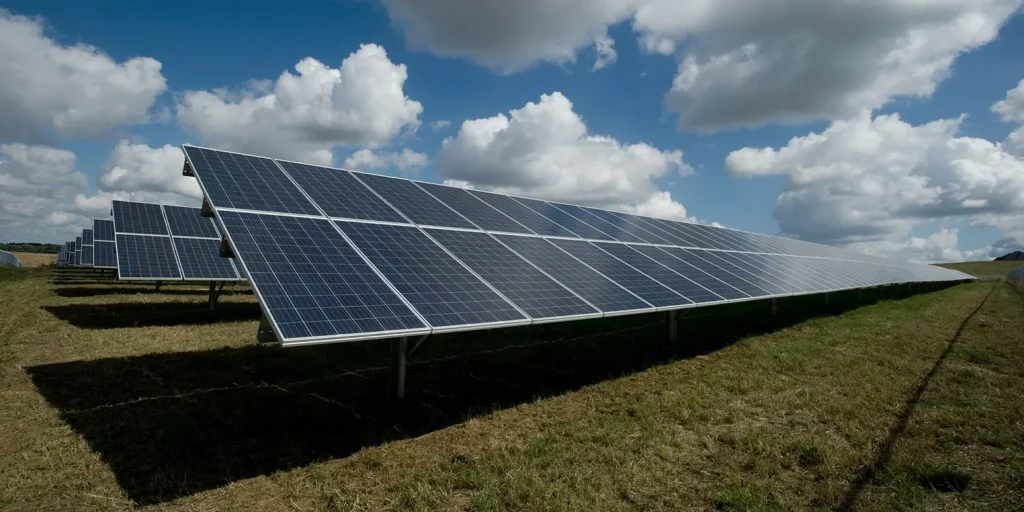
The newly approved Central Asia Energy Transition and Resilience Project (CAETRP) will help Kyrgyzstan expand its renewable energy capacity and improve energy efficiency. The project aims to develop small and medium-sized hydropower plants, solar and wind energy projects, and grid infrastructure upgrades. These efforts will help diversify the country’s energy sources and reduce its reliance on aging hydropower facilities.
Improving Energy Efficiency and Resilience
In addition to expanding renewable energy, the project will focus on improving energy efficiency in public and residential buildings, reducing both energy consumption and greenhouse gas emissions. It will also strengthen the resilience of the energy sector by modernizing infrastructure and improving the management of water resources critical for hydropower generation.
The CAETRP aligns with Kyrgyzstan’s National Energy Program and the Government’s Medium-Term Action Plan, which prioritize renewable energy development and energy efficiency. This project also contributes to the country’s climate goals by reducing greenhouse gas emissions and enhancing the energy sector’s resilience to the impacts of climate change.
Social and Economic Impact
The World Bank project is expected to create new job opportunities in the renewable energy sector and improve the overall economic competitiveness of Kyrgyzstan. By reducing energy costs and increasing energy security, the initiative will support economic growth and enhance the quality of life for its citizens.
Moreover, the project will address the energy needs of rural and remote areas, which often suffer from an unreliable electricity supply. By expanding renewable energy access to these regions, the CAETRP will help bridge the urban-rural energy divide and promote inclusive economic development.
Fostering Regional Cooperation
The World Bank’s support for Kyrgyzstan’s energy transition is part of a larger effort to promote regional energy cooperation in Central Asia. The CAETRP will also help integrate Kyrgyzstan’s energy system with neighboring countries, which in turn will facilitate cross-border electricity trade and enhance regional energy security.
Kyrgyzstan’s efforts to expand renewable energy and improve energy efficiency can serve as a model for other Central Asian countries. The successful implementation of the CAETRP could inspire similar projects in the region, contributing to the development of a more sustainable and resilient energy system in Central Asia.
Future Prospects and Regional Leadership
The World Bank’s funding marks a significant step forward in the country’s efforts to modernize its energy sector. By focusing on renewable energy development, energy efficiency, and infrastructure resilience, the CAETRP will help Kyrgyzstan build a more sustainable and secure energy system.
As Kyrgyzstan continues to implement its energy transition strategy, it is set to play a crucial role in shaping the future of energy in Central Asia. The country’s experience in expanding renewable energy and improving efficiency will provide valuable lessons for other nations in the region, contributing to the global effort to combat climate change and promote sustainable development.