EBRD Deepens Commitment to Kyrgyzstan infrastructure projects with a €630 Million Portfolio
The European Bank for Reconstruction and Development (EBRD) has reaffirmed its strong partnership with Kyrgyzstan, announcing a total portfolio that has reached €630 million. This significant investment underscores the bank’s commitment to fostering a sustainable and resilient economy, with a pronounced emphasis on green infrastructure projects.
€630 Million Portfolio: A Closer Look at Kyrgyzstan infrastructure projects
In a press release published on October 11, the EBRD detailed new financing of over €100 million for Kyrgyzstan, funding ten diverse projects in sustainable infrastructure, agriculture, and financial institutions.
While the cumulative investment has reached €630 million by the end of 2023, the latest data shows an active portfolio of €332 million across 97 projects as of late 2025. Impressively, 72% of this active portfolio is now dedicated to sustainable infrastructure, highlighting a strategic pivot towards green development. To further bolster these initiatives, the bank has also committed €13 million in grants for project support and advisory services.
Sustainable Kyrgyzstan infrastructure projects
One of the most significant areas of the EBRD’s work in Kyrgyzstan is the advancement of sustainable infrastructure. The bank’s strategy focuses on projects that champion green energy and bolster regional connectivity, both crucial for the country’s long-term economic health.
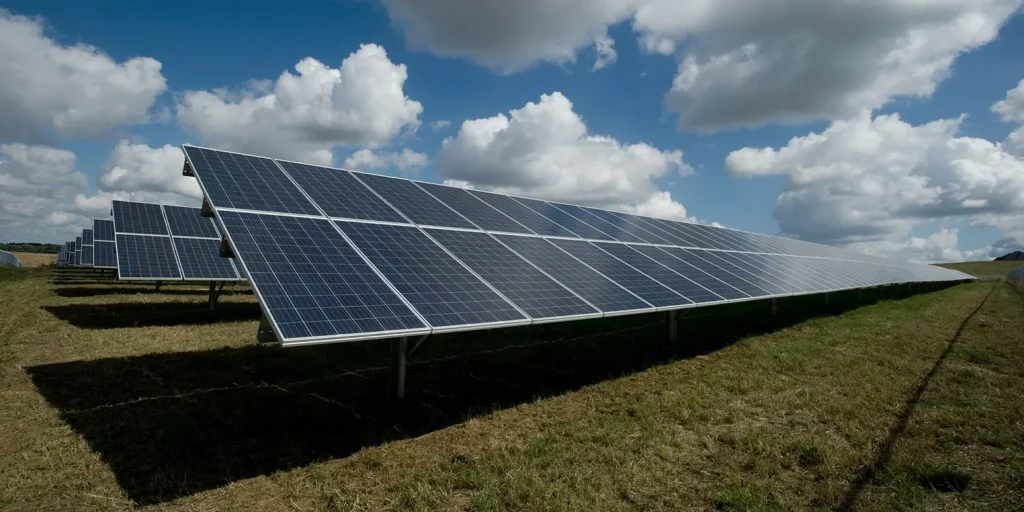
A landmark achievement is the completion of the first solar power plant in southern Kyrgyzstan. This project adds 5.2 MW of capacity and is a vital step in reducing the nation’s reliance on coal-fired electricity. It’s a key part of the country’s broader ambition, which includes a stunning 1.9 GW powerhouse project aimed at transforming its energy landscape. This focus on solar energy in Kyrgyzstan is reflective of the EBRD’s wider regional strategy, which also includes significant investments in renewable energy in Uzbekistan.
Beyond energy, the EBRD is heavily invested in upgrading transportation links. The modernization of the Bishkek-Sokuluk road and the ongoing reconstruction of the Osh-Novokirghiz motorway are set to significantly improve domestic and regional trade flows. Similarly, the construction of a new bridge in Batken provides a vital connection for commerce. These infrastructure upgrades are critical, as Kyrgyzstan’s strategic location offers a gateway to other emerging markets in Central Asia, a key factor for investors considering the region for ventures like solar manufacturing in Uzbekistan’s FEZs.
Support for Agriculture and SMEs in Kyrgyzstan infrastructure projects
The EBRD has also directed substantial efforts toward strengthening Kyrgyzstan’s private sector, particularly small and medium-sized enterprises (SMEs). By providing financing to local partner banks, the EBRD enables them to extend loans to SMEs across the country, fueling entrepreneurship and innovation.
This financial lifeline is especially critical for small businesses in rural areas, where access to capital can be a major obstacle to growth. The EBRD’s support for SMEs is a core component of its strategy to foster inclusive economic development and create sustainable employment opportunities.
In the agricultural sector, a cornerstone of the Kyrgyz economy, the EBRD has made key investments to support farmers and agribusinesses. Financing has been allocated to help farmers acquire modern equipment and adopt advanced farming techniques. This support is essential for boosting productivity, improving food security, and ensuring the long-term sustainability of this vital industry.
Commitment to Sustainable Development through Kyrgyzstan infrastructure projects
The EBRD’s investments in Kyrgyzstan are deeply aligned with its overarching mission to promote sustainable development and robust economic growth. The bank has achieved considerable progress in backing green energy projects, modernizing critical infrastructure, and empowering local businesses.
While significant strides have been made, challenges related to poverty, access to clean water, and environmental degradation persist. However, the EBRD’s continued and focused investments in sustainable infrastructure and green energy are poised to make a lasting positive impact on the country’s development trajectory.
As the EBRD continues its work in Kyrgyzstan, its commitment to fostering a greener, more connected, and economically vibrant nation remains firm. The bank’s strategic focus on sustainable infrastructure and SME financing is expected to drive transformative change in the years ahead, contributing to the prosperity of Kyrgyzstan and the wider Central Asian region. As the country embraces renewable technologies, understanding the basics of solar panel manufacturing becomes increasingly relevant.
To dive deeper into the technologies powering this green transition, explore our free e-course on solar panel manufacturing.