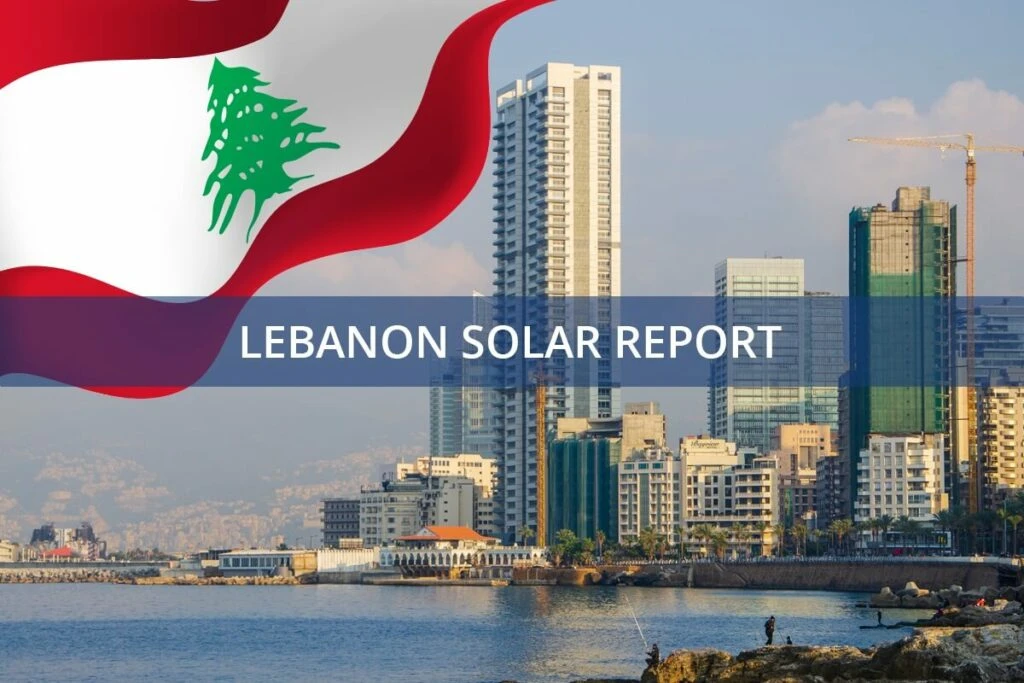
USAID Awards $15M for Rooftop Solar in Displaced Lebanese Communities
In a significant move to address one of Lebanon’s most pressing challenges, the United States Agency for International Development (USAID) has announced a $15 million award dedicated to deploying rooftop solar power systems in displaced and vulnerable communities across the country. This initiative marks a critical intersection of humanitarian aid, sustainable development, and energy resilience, offering a beacon of hope amid a severe and protracted national crisis.
The Perfect Storm: Energy and Humanitarian Crises in Lebanon with Rooftop Solar potential
For years, Lebanon has been caught in a downward spiral of economic collapse and political instability. A direct and debilitating consequence of this has been the near-total failure of the national electricity grid. Citizens and residents experience blackouts for up to 22 hours a day, forcing a heavy reliance on expensive, polluting, and unreliable private diesel generators.
This energy poverty disproportionately affects the most vulnerable, including the large populations of Syrian refugees and socio-economically disadvantaged Lebanese families. For these communities, the high cost of generator subscriptions is often an insurmountable burden, cutting them off from reliable power needed for lighting, refrigeration, communication, and safety. The lack of consistent electricity cripples essential services like local clinics, schools, and water pumping stations, deepening the humanitarian crisis.
Solar Power as a Lifeline in Lebanon with Rooftop Solar
The USAID initiative directly confronts this challenge by focusing on a decentralized, clean, and sustainable solution: rooftop solar. By investing in photovoltaic (PV) systems for homes, community centers, and small businesses in these areas, the project aims to deliver transformative benefits.
Key Impacts of the Initiative: Lebanon rooftop solar
- Energy Independence and Reliability: Rooftop solar provides a direct and dependable source of electricity during daylight hours, drastically reducing reliance on the failing national grid and the volatile market for diesel fuel. This creates a new level of stability for households and community services.
- Economic Relief: By generating their own power, families can save a significant portion of their income that would otherwise be spent on exorbitant generator fees. This frees up critical funds for food, healthcare, and education, alleviating financial pressure in a hyperinflationary environment.
- Enhanced Community Resilience: The project is not just about powering individual homes. It strengthens the entire community fabric by ensuring that essential services can continue to operate. Clinics can refrigerate vaccines, schools can power lights and equipment, and water systems can function without interruption, improving public health and educational outcomes.
- Environmental Sustainability: Shifting from diesel generators to solar power offers substantial environmental benefits. It reduces local air pollution, which has a direct impact on public health, and lowers the carbon footprint of these communities, contributing to broader climate goals.
A Strategic Investment in Stability through Lebanon rooftop solar
This $15 million award from USAID represents more than just an infrastructure project; it is a strategic investment in human dignity and regional stability. By empowering communities with the tools for energy self-sufficiency, the initiative fosters a sense of ownership and builds local capacity.
Furthermore, such projects can serve as a powerful model for sustainable development in crisis settings worldwide. They demonstrate how targeted international aid can provide immediate relief while simultaneously building long-term, resilient systems that address the root causes of vulnerability. As Lebanon navigates its complex recovery, initiatives like this one provide a practical and hopeful pathway toward a brighter, more sustainable future for all its residents.