Venezuelan President Nicolas Maduro has unveiled a solar plan to bring new energy to the Venezuelan Andes, a region plagued by power outages. The initiative aims to generate 3,000 megawatts of solar energy and bolster the stability of the National Electric System.
Challenges in Venezuela’s Electricity Supply
This announcement comes as Venezuela grapples with persistent electricity supply challenges, underscored by an extensive blackout in March 2019 that plunged much of the country into darkness for five days and severely disrupted critical services. Subsequent power outages have sparked frequent protests.
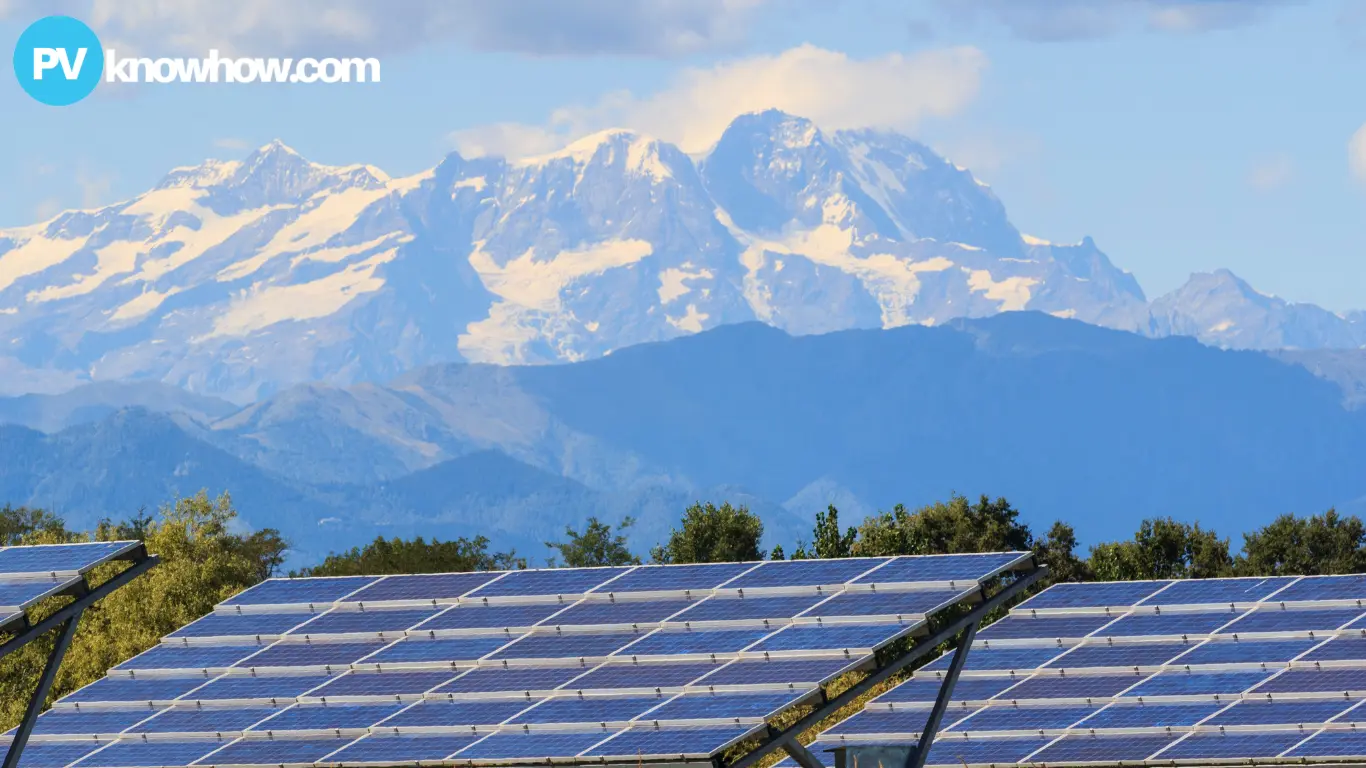
This Andes plan aims to add 3,000 MW of solar power to help stabilize the National Electric System.
Maduro acknowledged his government’s inefficiency in managing the power crisis and emphasized the need to build a more effective and transparent administration.
“We do not have an efficient state; that is why it must be demolished and transformed into a transparent, efficient state and that is the great task of this stage,” he stated.
China’s Role in Venezuela’s Solar Energy Initiative
As part of this initiative, China will play a key role by supplying the technology to install solar panels and establish energy parks in the Venezuelan Andes. This international support coincides with the 50th anniversary of diplomatic relations between the two nations on June 28. The relationship, however, has been contentious amid Venezuela’s ongoing economic and political crisis in recent years.
This initiative is part of a broader strategy to diversify Venezuela’s energy sources and strengthen its power infrastructure. The government is also exploring partnerships with international companies and institutions to further develop its renewable energy sector.
China’s Role in Venezuela’s Economic Landscape
China has provided substantial assistance through loans, infrastructure investments, and energy agreements, offering crucial support to Nicolás Maduro’s government during a period of international isolation and economic sanctions. Yet, this reliance on Chinese funding has sparked criticism over the sustainability and equity of these arrangements.
Venezuela and China recently deepened their relationship through a series of strategic agreements. These include a pact to promote and protect mutual investments, the signing of a direct air services agreement, and partnerships in technology and environmental conservation.
Furthermore, the two nations signed a memorandum of understanding to foster innovation and scientific research within Venezuela. These initiatives underscore an alliance aimed at diversifying the Venezuelan economy and improving cooperation across various critical sectors.
This growing support from the Chinese government for Maduro serves as a significant international pillar for the continuity of his administration.