Montenegro Approves Environmental Study for 100 MW Vraćenovići Solar Plant
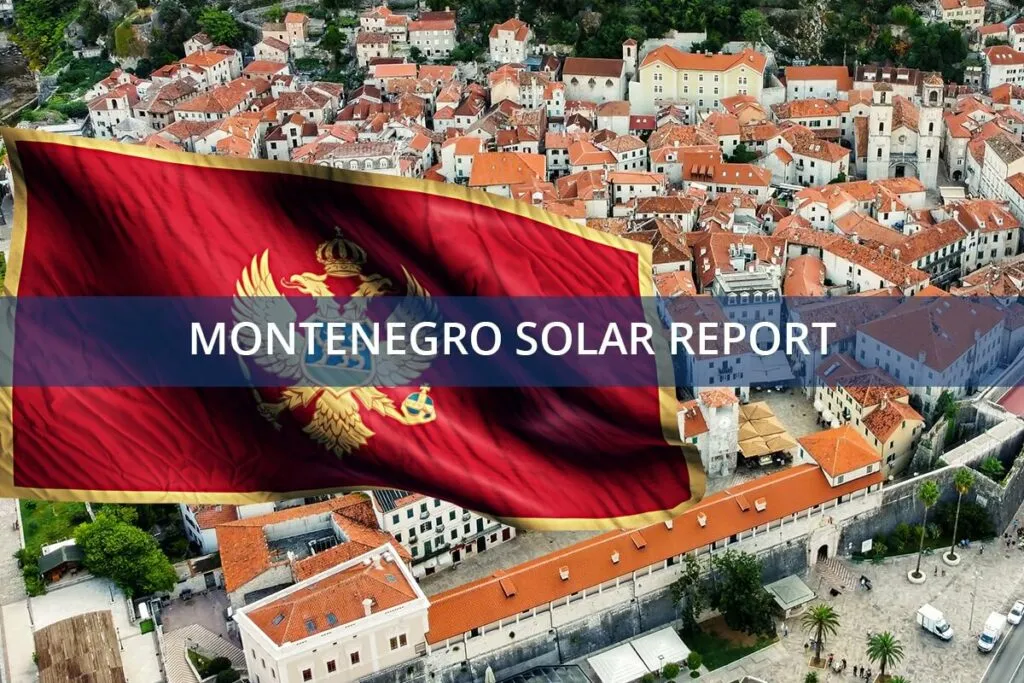
Montenegro is taking another significant step in its renewable energy transition, with reports indicating that an environmental impact assessment has been approved for a new 100 MW solar power plant in Vraćenovići. While this development signals a major boost to the nation’s green energy capacity, it’s important to note that official confirmation and public documentation regarding this specific project have not yet been widely released.
This move, however, aligns perfectly with the country’s ambitious energy strategy and its ongoing efforts to harness its abundant solar potential.
The Context of Montenegro solar plant Green Energy Ambitions
The potential Vraćenovići project does not exist in a vacuum. It represents a key piece of Montenegro’s broader strategy to decarbonize its energy sector. The country’s National Energy and Climate Plan (NECP) outlines aggressive targets, aiming for a substantial increase in its share of renewable energy.
This national commitment has already translated into concrete action. In recent years, Montenegro has seen progress on several fronts:
- Active Solar Development: The nation is already advancing other significant solar initiatives. For instance, the 42 MW Gostun solar farm received its necessary approvals in 2023, demonstrating a clear pathway for large-scale solar development.
- Competitive Auctions: To spur investment and ensure competitive energy prices, Montenegro has been utilizing an auction-based system. Bids for a total of 250 MW of renewable capacity are underway, attracting both local and international interest in developing the country’s solar and wind resources.
These confirmed activities underscore the strong momentum behind Montenegro’s renewable energy sector, making the emergence of new projects like the one in Vraćenovići a logical next step.
Verifying Developments and Looking Ahead for the Montenegro solar plant
For stakeholders, investors, and citizens following Montenegro’s energy transition, staying informed through official channels is crucial. While reports on the Vraćenovići plant are promising, details often emerge in stages. Developments in the energy sector are typically confirmed through governmental decrees and official publications.
For the most reliable and up-to-date information on energy policy and project approvals, it is best to consult official sources. Key resources include publications from Montenegro’s Ministry of Energy and updates from regional energy market operators like the SEEPEX power exchange.
Whether it is the 100 MW Vraćenovići plant or other upcoming projects, the trajectory is clear: Montenegro is positioning itself as a leader in the regional transition to clean energy. Each new approval and project milestone brings it closer to achieving its goals of energy independence and environmental sustainability.