Omburu BESS Project Supports Namibia renewable energy Goals
Namibia is taking a significant stride towards a sustainable energy future with the commissioning of the Omburu Battery Energy Storage System (BESS). This landmark project is a critical piece of infrastructure designed to bolster the nation’s power grid, integrate more renewable energy, and reduce dependence on electricity imports, aligning perfectly with its ambitious goal of sourcing 70% of its energy from renewable sources by 2030.
Operated by the national utility NamPower, the 54 MW Omburu BESS, located at the Omburu substation near Otjiwarongo, represents a pivotal investment in the country’s energy independence and stability.
A Cornerstone for Grid Stability in Namibia renewable energy
One of the primary challenges of transitioning to renewable energy sources like solar and wind is their intermittent nature—power is only generated when the sun shines or the wind blows. This variability can create instability in the national grid. The Omburu BESS directly tackles this issue.
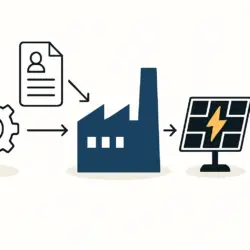
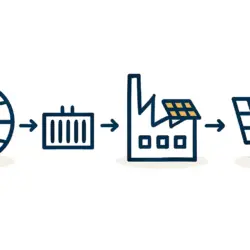
The system is designed to store surplus electricity generated from renewable sources during times of low demand. This stored energy can then be dispatched back into the grid during peak consumption hours or when renewable generation dips. By acting as a large-scale energy buffer, the BESS provides essential grid services, including rapid voltage control and frequency response. This capability is crucial for maintaining a stable and reliable power supply for all Namibians as the share of renewables in the energy mix grows.
Reducing Reliance on Imports and Boosting Namibia renewable energy Security
Historically, Namibia has relied on importing a significant portion of its electricity to meet demand. The Omburu BESS is set to change that. By storing excess energy—both from local renewables and cheaper off-peak imports—the system allows NamPower to reduce its reliance on expensive emergency power and decrease the volume of electricity purchased from neighboring countries during peak times.
This strategic shift not only enhances Namibia’s energy security but also contributes to economic stability by insulating the country from external energy market fluctuations. The project ensures that more of the energy consumed in Namibia is generated and managed within its borders.
A Strategic Step Towards a Greener Namibia renewable energy Future
The successful implementation of the Omburu project is more than just a standalone achievement; it is a blueprint for the future of energy in Namibia. Its strategic location in the Erongo region places it near major demand centers and existing renewable energy infrastructure.
As noted by industry observers, the project has been a landmark development from its initial stages, with early reports citing the arrival of components for a 51 MW system, highlighting the scale of the undertaking. Now fully commissioned at 54 MW, it serves as a powerful proof-of-concept and a model for future energy storage initiatives, such as the planned 90 MWh Lithops BESS.
By stabilizing the grid and maximizing the use of its own renewable resources, the Omburu BESS project is a clear and decisive step, propelling Namibia towards a cleaner, more resilient, and self-sufficient energy future.