Namibia’s Solar Potential: Exploring Namibia solar potential Compared to Europe
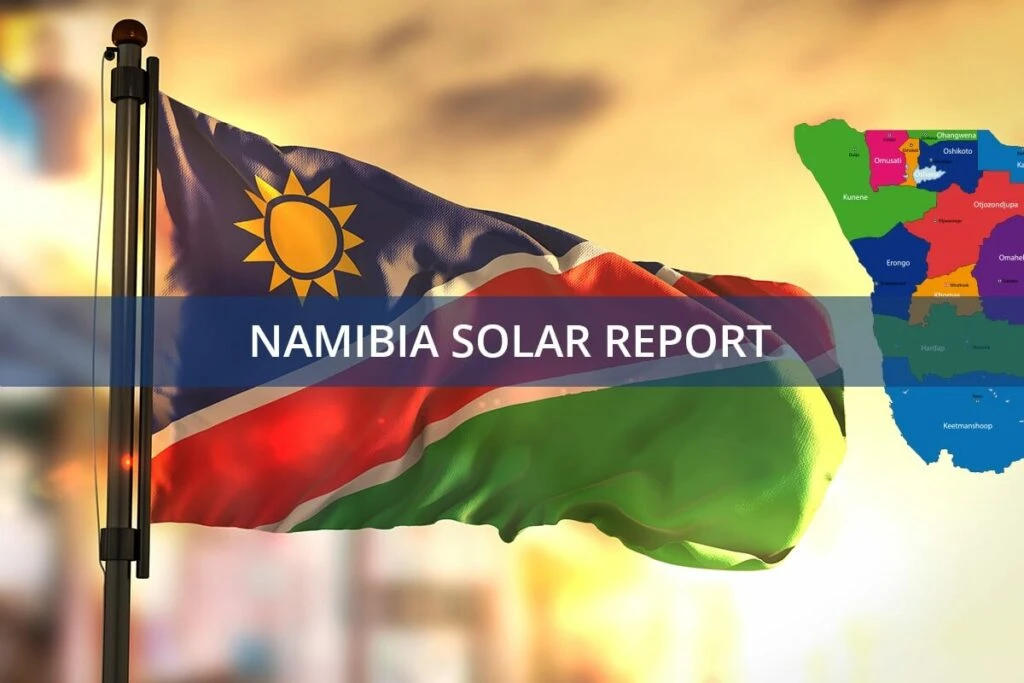
In the global race to transition towards renewable energy, geography is destiny. While nations across the world are embracing solar power, not all locations are created equal. A stunning example of this disparity lies in the sun-drenched landscapes of Namibia, a country whose solar potential isn’t just significant—it’s world-class. In fact, solar photovoltaic (PV) panels in Namibia can generate approximately double the annual electricity output compared to identical installations in Central Europe.
This isn’t just a bold claim; it’s a reality backed by hard data on solar resources. Let’s break down why Namibia is poised to become a global solar superpower.
A Tale of Two Climates: Understanding Namibia solar potential Irradiance and Yield
The fundamental difference in solar generation capacity comes down to one key metric: solar irradiance. This measures the amount of solar energy that hits a given surface area over a period. The numbers reveal a stark contrast.
Namibia benefits from some of the highest solar irradiance levels in the world, receiving an average of 2,200 to 2,500 kilowatt-hours per square meter per year (kWh/m²/year). In comparison, Central European countries like Germany typically receive between 900 and 1,200 kWh/m²/year.
This massive advantage in raw solar energy translates directly into electricity production, or “solar yield.” For a standard solar panel installation, the difference is staggering:
* Namibia: A 1-kilowatt peak (kWp) solar installation can be expected to generate between 1,800 and 2,200 kWh of electricity annually.
* Central Europe: The same 1 kWp installation would only produce between 900 and 1,100 kWh annually.
Put simply, for every kilowatt of solar capacity installed, Namibia gets twice the energy output. This dramatically improves the economic viability and environmental impact of every single solar project.
From Potential to Power: Real-World Implications of Namibia solar potential
This exceptional solar yield is not merely theoretical. We can see its potential reflected in large-scale projects across the Southern African region. For instance, a 219 MW solar facility in neighboring South Africa is projected to produce 478 GWh of electricity per year. This equates to a yield of about 2,180 kWh/kWp, perfectly aligning with the high-end estimates for the region and validating the immense productive capacity of its solar resources.
For Namibia, this twofold advantage has profound implications. It means that investments in solar infrastructure deliver a much faster return, driving down the cost of electricity and making clean energy more accessible. Organizations like GET.transform, which support countries in advancing their energy transitions, recognize Namibia’s critical role in the broader Southern African renewable energy landscape. The nation’s potential extends beyond its borders, positioning it as a future clean energy exporter for the entire region.
Powering the Future with Green Hydrogen and Namibia solar potential
Namibia’s solar abundance opens the door to one of the most exciting frontiers in the energy transition: green hydrogen. The production of green hydrogen through electrolysis—splitting water into hydrogen and oxygen using renewable electricity—is an energy-intensive process. The primary factor determining its cost is the price of the electricity used.
With its massive, low-cost solar generation potential, Namibia is one of the most promising locations on the planet for producing globally competitive green hydrogen. This clean fuel is essential for decarbonizing hard-to-abate sectors like heavy industry, shipping, and long-haul transport. By harnessing its sunlight, Namibia can not only achieve its own energy independence but also become a key supplier in the future global hydrogen economy.
In conclusion, while the adoption of solar energy is a global effort, locations like Namibia hold a distinct and powerful advantage. With solar panels that work twice as hard as their European counterparts, the nation is sitting on an energy goldmine. By leveraging this incredible natural resource, Namibia is set to power its own future and help energize the rest of the world.