Nepal Solar Grant: A $20 Million Boost for Renewable Energy
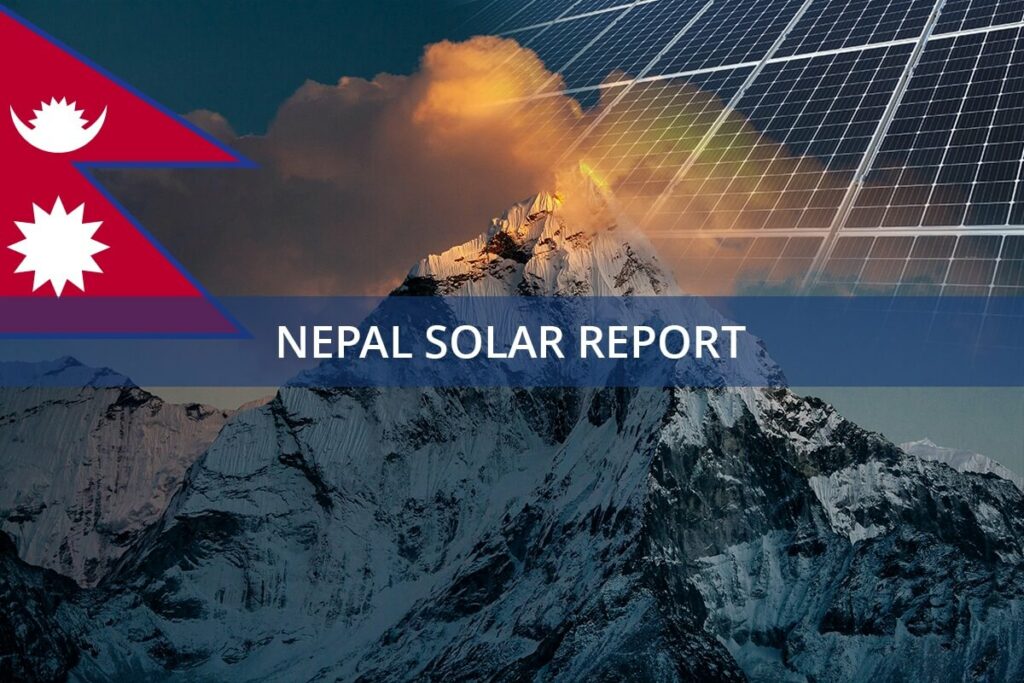
Nepal’s renewable energy sector has received a significant boost: a $20 million grant from the World Bank to develop solar farms. This latest funding for solar projects, part of the Nepal Grid Solar and Energy Efficiency Project, will help the country diversify its energy sources and enhance long-term energy security.
Project Funding and Key Contributors
The World Bank’s International Development Association (IDA) has approved the new $20 million grant to support solar energy development. It joins $7.89 million in previously allocated IDA credit, along with contributions from the government of Nepal ($3.4 million) and the Nepal Electricity Authority (NEA) ($3.5 million).
This brings the total financing for the Nepal Grid Solar and Energy Efficiency Project to $57.39 million. The initiative, first approved in 2014, began with a $130 million credit aimed at developing clean energy to meet the country’s growing demand.
Expanding Nepal’s Solar Infrastructure
This funding will support the construction of solar farms in strategic locations like Devighat, Trishuli, and Marsyangdi. These hubs for generating and distributing solar power are projected to increase the country’s capacity by 25 MW, significantly boosting the availability of clean energy on the national grid.
A key goal is to reduce Nepal’s heavy reliance on hydropower, which currently accounts for roughly 95% of its electricity. This dependence makes the country vulnerable to seasonal fluctuations in water flow and potential power shortages.
Integrating solar power into the national grid will help mitigate these risks and provide a more stable, reliable energy source. By expanding its solar infrastructure, Nepal can also reduce its carbon footprint and promote sustainable development.
Enhancing Energy Efficiency and Security
Beyond increasing solar capacity, the Nepal Grid Solar and Energy Efficiency Project also aims to improve energy efficiency nationwide. The project will focus on upgrading the national grid to reduce energy losses and ensure effective power distribution from the new solar farms to consumers.
These efforts will help Nepal meet its growing energy demand while reducing its dependence on fossil fuels. The project also includes installing solar-powered streetlights in major cities like Kathmandu and Pokhara, a move that will lower national energy consumption and improve public safety through better urban illumination.
Broader Impact and a Sustainable Future
The World Bank’s support aligns with its global commitment to promoting sustainable development and helping countries transition to low-carbon economies. For Nepal, this project enables the country to diversify its energy mix, reduce its carbon footprint, and improve its energy security.
The initiative is also expected to create jobs in the renewable energy sector, offering opportunities for local communities to benefit from the country’s clean energy transition.
This $20 million grant represents a significant step forward for Nepal’s renewable energy sector. By helping the country meet its energy needs while contributing to the global effort against climate change, the project positions Nepal as an emerging leader in sustainable energy development in South Asia.