Nepal has announced an ambitious plan to develop 10,000 megawatts (MW) of solar energy capacity by 2035, marking a significant shift in its national energy strategy. This move is part of the country’s broader effort to diversify its energy sources, reduce its reliance on hydropower, and meet growing electricity demands.
Nepal’s Strategic Shift Towards Solar Energy
Hydropower has traditionally dominated Nepal’s energy sector, accounting for over 90% of its electricity generation. However, the source’s vulnerability to seasonal variations and climate change has prompted the government to explore other renewable energy options and unlock Nepal’s solar energy potential.

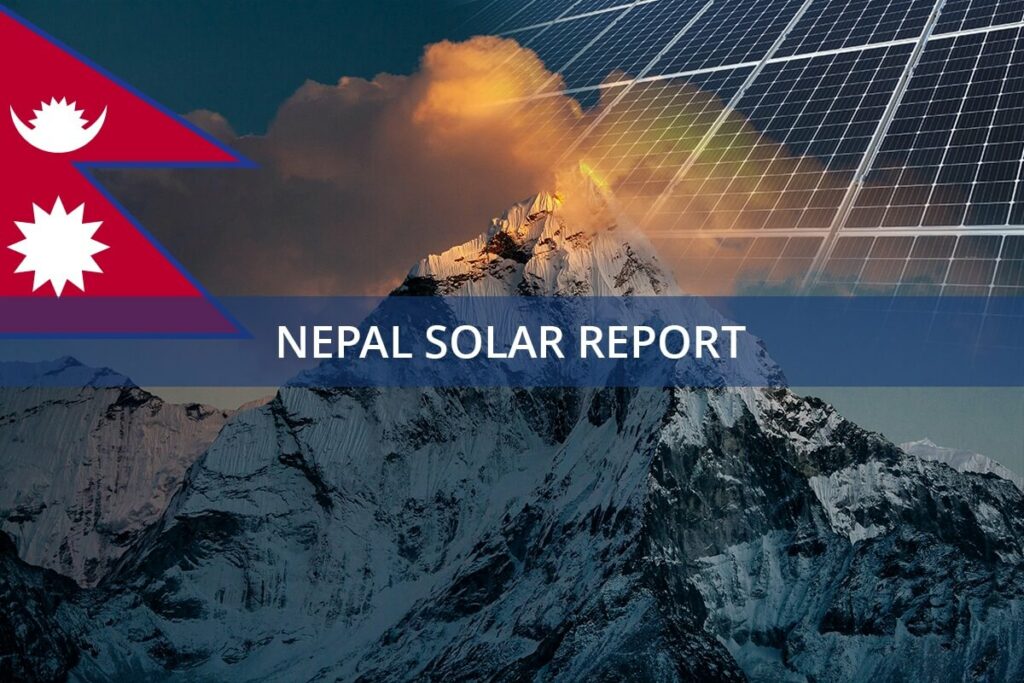
Nepal’s plan to install 10,000 MW of solar capacity by 2035 marks a major step toward sustainable energy. (Image: Collected)
This strategic shift to solar power underscores Nepal’s commitment to enhancing energy security and ensuring a stable supply of electricity year-round, especially during the dry season when hydropower output typically declines.
Investments Fueling Nepal’s Solar Energy Infrastructure
Developing 10,000 MW of solar capacity by 2035 will require substantial investment in infrastructure, technology, and local expertise. To secure the necessary funding, the government is expected to collaborate with both domestic and international investors. Public-private partnerships (PPPs) are also expected to play a crucial role in developing and deploying solar projects across the country.
Achieving this ambitious target will involve developing large-scale solar parks, rooftop solar installations, and off-grid solar systems. Beyond providing clean energy, these projects are expected to create jobs, stimulate economic growth, and contribute to the nation’s sustainable development goals.
Overcoming Challenges in Nepal’s Solar Energy Expansion
While the plan is ambitious, it faces several challenges. Nepal’s mountainous terrain, difficulties with land acquisition, and the need for significant grid upgrades all present hurdles to rapid solar deployment for projects of all sizes, from a large **solar power plant in Nepal** to widespread rooftop installations. However, recent advances in solar technology and the decreasing cost of panels create favorable conditions for scaling up these projects.
The government’s focus on regulatory reforms will be critical. Streamlining the approval process for solar projects and offering investment incentives are key steps toward overcoming these challenges. By addressing these issues proactively, Nepal can position itself as a leader in renewable energy in South Asia.
Global Impact of Nepal’s Solar Energy Initiative
Nepal’s push for solar energy aligns with the global shift toward renewables to combat climate change and reduce carbon emissions. Successfully implementing this plan could enhance Nepal’s standing in international climate forums and attract further investment in its renewable energy sector.
Expanding solar energy in Nepal could also benefit neighboring countries. With the potential to export surplus electricity, the country could become a regional energy hub and contribute to greater energy security throughout South Asia.
Stakeholder Support for Nepal’s Solar Energy Goals
The government has already secured support from various stakeholders, including international development agencies, financial institutions, and private companies. The Ministry of Energy, Water Resources, and Irrigation (MoEWRI) has been instrumental in laying the groundwork for this initiative and is expected to continue spearheading the effort to achieve the 10,000 MW target.
In addition to the government’s efforts, the involvement of local communities and civil society organizations will be crucial for the success of solar energy projects. Public awareness campaigns and community engagement initiatives will help build support for solar energy and ensure its benefits are widely shared.
As Nepal moves toward a solar-powered future, the coming decade will be critical in achieving its 10,000 MW target. The government’s commitment to renewables, coupled with strategic investments and international partnerships, positions the nation to become a sustainable energy leader in the region.
Achieving this goal will not only enhance the country’s energy security but also play a vital role in the global fight against climate change. As Nepal moves forward, the world will be watching, hopeful that this small yet determined nation can realize its ambitious solar vision.