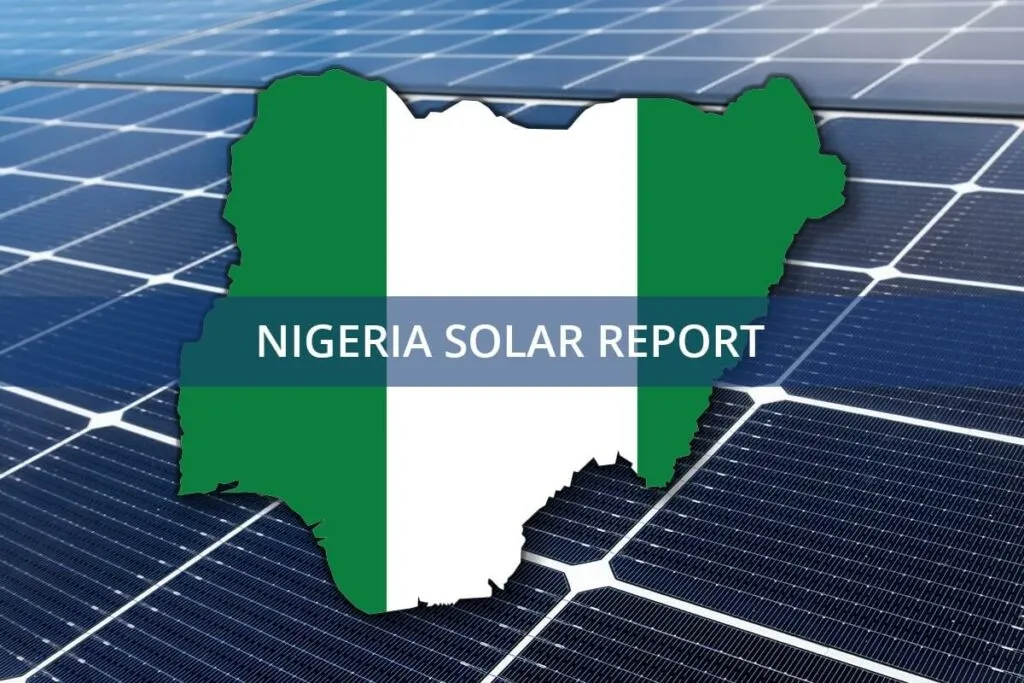
Nigeria’s State House Embraces Solar Power: A Look at the Nigeria State House Solar Project
In a move that is both a pragmatic solution and a powerful symbol, Nigeria’s presidential complex, Aso Rock, is finalizing its transition to a dedicated off-grid solar power system. As the seat of government severs its connection to the nation’s notoriously unreliable power grid this month, it highlights a stark reality: the persistent energy crisis that plagues citizens and businesses is now being formally sidestepped by the country’s own leadership.
While the project is widely reported as a N10 billion investment, industry analysts estimate the actual cost for the comprehensive system—powering administrative offices, security infrastructure, and residences—to be closer to 6 billion Naira (approximately $3.7 million USD). Regardless of the final figure, the investment underscores a decisive pivot towards energy independence for the presidency, driven by the same frustrations felt across the nation.
A Necessary Step or a Growing Divide with Nigeria State House Solar?
The rationale behind the Aso Rock solar project is undeniable. Nigeria’s national grid is infamous for its frequent collapses, which stifle economic productivity and disrupt daily life for millions. By moving to a stable, renewable energy source, the presidency ensures uninterrupted operations.
However, the decision has drawn criticism for creating what some call a “profound psychological and physical detachment” of the government from the infrastructure challenges faced by its citizens. While the State House will enjoy consistent power, regions like Edo State continue to grapple with severe power crises that stall economic growth. The move raises uncomfortable questions about priorities: if a large-scale solar deployment is feasible for the presidential villa, why aren’t similar efforts being prioritized for critical public infrastructure like hospitals, schools, and universities?
This high-profile project starkly illustrates the economic disparities within the country. It serves as a clear demonstration of the government’s capacity to implement modern energy solutions, yet that capacity is, in this instance, being focused inward.
A Glimpse into a Broader Solar Strategy with Nigeria State House Solar
The State House’s energy transition does not exist in a vacuum. It aligns with Nigeria’s broader, albeit slow-moving, push towards renewable energy. Across the country, various initiatives signal a growing recognition of solar power’s potential.
For instance, the Rural Electrification Agency (REA) recently disbursed N3.2 billion to develop solar mini-grids in Bauchi State, a project designed to bring 1.2 MWp of clean energy to underserved communities. On a national scale, the government launched the Grid Asset Management Company (GAMCO) in March 2026, an ambitious initiative aimed at strengthening the national grid and unlocking an additional 1,600 MW of power.
These efforts are part of a larger goal. By 2025, Nigeria had already installed approximately 2 GWp of solar capacity, with a target of reaching 3 GWp by 2030. These programs represent a fundamental effort to tackle the energy deficit from the ground up and reform the very grid the presidency is now abandoning.
The Two Faces of Nigeria’s Energy Future and the Nigeria State House Solar Project
The Aso Rock solar project is a complex development with a dual identity. On one hand, it is a forward-thinking adoption of green technology that guarantees stability for the nation’s highest office. On the other, it is a potent symbol of an elite insulating itself from a national crisis, leaving the public to contend with the failing system left behind.
The ultimate question is what this move will inspire. Will it serve as a catalyst, accelerating the political will and investment needed to deliver reliable and renewable energy to all Nigerians? Or will it simply solidify the gap between the powered and the powerless, creating an island of stability in a sea of darkness? As the sun shines on Aso Rock’s new solar panels, the rest of the nation waits for an answer.