North Macedonia Surpasses 55% Renewable Electricity Capacity in 2026
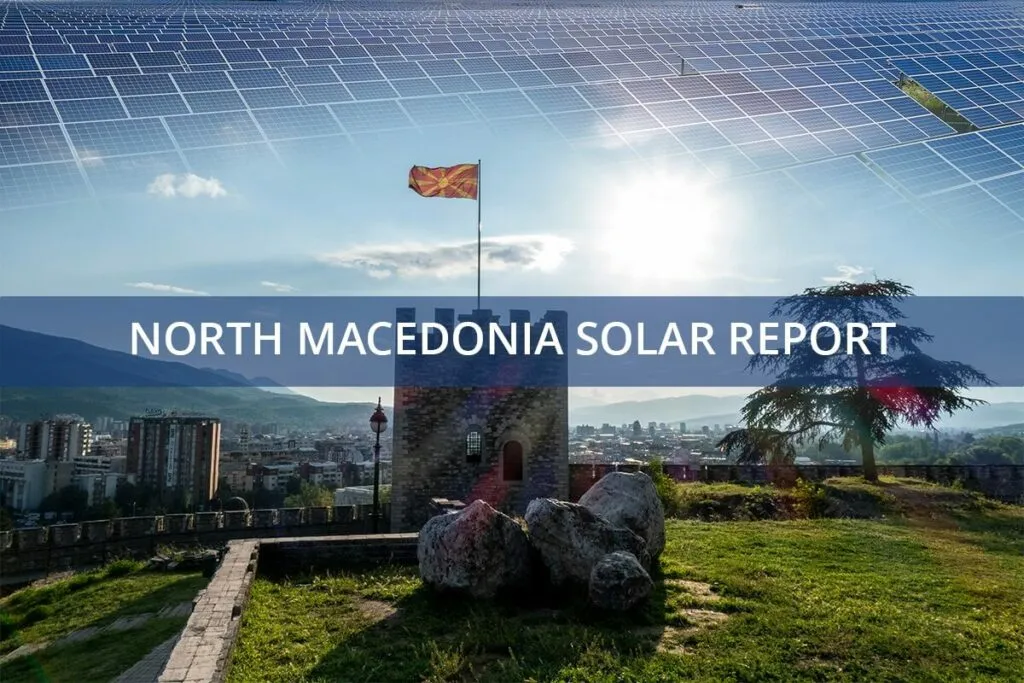
In a significant milestone for the Western Balkans, North Macedonia has officially surpassed the 55% mark for renewable sources in its total electricity capacity as of January 2026. This achievement underscores the nation’s commitment to the green energy transition and positions it as a notable leader in the region’s shift away from fossil fuels.
The Solar Surge: A Key Driver of North Macedonia renewables Success
According to recent energy sector reports, the primary driver behind this impressive accomplishment is an accelerated expansion of solar power. While hydropower has traditionally formed the backbone of North Macedonia’s renewable portfolio, a dedicated push towards solar energy is rapidly changing the country’s energy landscape. This strategic focus is not only helping the nation meet its climate goals but also enhancing its energy security and independence.
The success in solar expansion reflects a broader trend seen across Central and Eastern Europe, where declining technology costs and supportive policies are making solar photovoltaics an increasingly viable and critical component of the national energy mix.
A Regional Leader in a Dynamic North Macedonia renewables Energy Market
North Macedonia’s progress is particularly noteworthy when viewed within the context of the broader Balkan energy scene. As reported by platforms like Serbia Energy and Balkan Green Energy News, the entire region is undergoing a profound transformation. While neighboring countries are also making strides—such as Bulgaria securing EU backing for new energy projects—North Macedonia’s crossing of the 55% renewable capacity threshold sets a new benchmark.
This development is complemented by significant progress in market modernization. As highlighted by CEENERGYNEWS, the North Macedonian National Electricity Market Operator (MEMO) has been actively working on integration into wider European markets, such as the Intraday Market. This move toward greater market coupling is crucial for efficiently managing the variability of renewable sources like solar and wind, ensuring grid stability, and facilitating cross-border energy trading.
Looking Ahead: The Path to a Greener Future with North Macedonia renewables
Surpassing this 55% milestone is more than a statistic; it represents a pivotal step in North Macedonia’s journey toward a sustainable and resilient energy future. It strengthens the country’s position in its European Union accession talks, where energy policy and decarbonization are key priorities.
As the country continues to build on this momentum, the focus will likely turn to further grid modernization, the development of energy storage solutions to support the growing share of intermittent renewables, and the exploration of other green technologies. North Macedonia’s achievement sends a clear signal: the green transition in the Western Balkans is not just an ambition, but a rapidly unfolding reality.